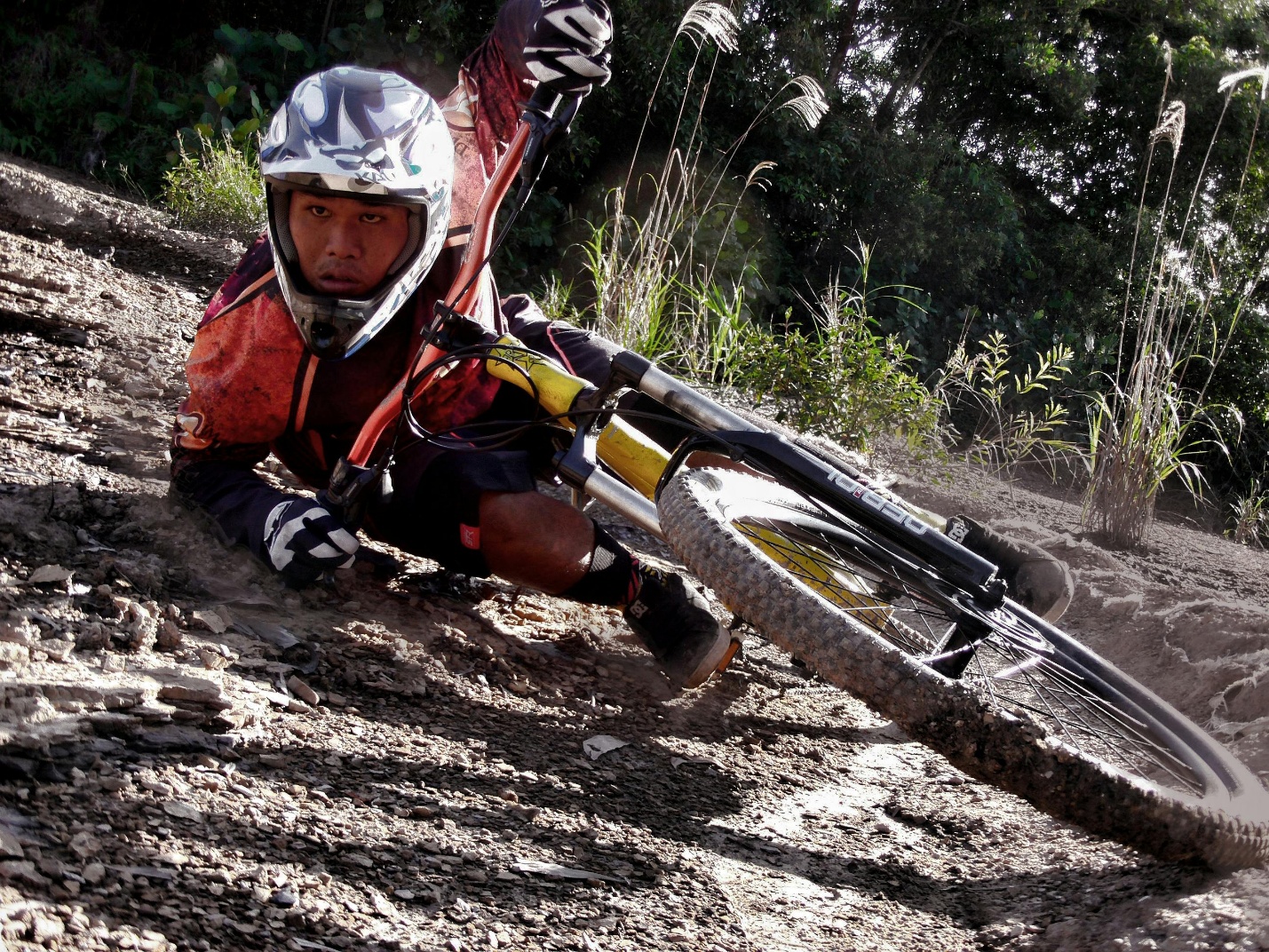
You do not notice how exposed a bike ride feels until something goes wrong, and suddenly there is nothing between you and the road but a thin frame and a helmet. One moment, everything is routine; the next, you are trying to piece together what just happened while traffic keeps moving as if nothing changed.
In places like Wilmington, NC, this is not unusual. Coastal cities with steady traffic and active cycling routes tend to see more bike-related incidents than expected. Reports over recent years have shown a steady number of bicycle accidents in the area, often tied to intersections, distracted driving, or poor visibility. It is not always severe, but it happens often enough that the legal side of it becomes part of the conversation sooner than most riders expect.
What the Law Actually Looks at After a Bicycle Accident
After a bicycle accident, the law looks beyond the crash itself. It examines what happened before it, how both sides acted, and whether basic care was taken. That idea, reasonable care, usually means acting the way a careful person would in the same situation.
Cyclists are expected to follow signals and stay visible. Drivers are expected to yield, keep a distance, and stay alert. When things go wrong, the interaction is pieced back together. It takes time. Fault is not always one-sided. In many cases, responsibility is shared, which can change how compensation works. This often surprises people dealing with it for the first time.
When Legal Guidance Starts to Matter
After an accident, there is usually a stretch of time where things feel unclear. Medical visits, repair costs, insurance calls, all of it overlaps. People try to manage it themselves at first, which makes sense, but it can get complicated faster than expected. This is where legal help matters. If you’re looking for a bicycle accident attorney Wilmington, NC, has many reliable professionals you can turn to.
There are details that tend to be missed early on. Statements given too quickly, documents signed without much review, or assumptions about fault that do not hold up later. Having someone who understands how these cases unfold becomes useful, even if it is just to avoid small mistakes that carry weight.
How Liability Gets Decided
Liability in bicycle accidents is often shaped by small details. Where exactly the cyclist was positioned, whether signals were used, how fast the vehicle was moving, and even lighting conditions at the time. These factors are pieced together through reports, witness statements, and sometimes camera footage if it exists.
Insurance companies also play a role in this process. They conduct their own assessments, which do not always align with what actually happened. Their goal is to limit payouts, which can lead to disagreements about fault or the extent of injuries.
This is where the legal process starts to stretch out. Negotiations, reviews, and sometimes disputes over basic facts. It can feel slow, especially for someone trying to recover physically at the same time. But the structure is there for a reason, even if it does not always feel that way in the moment.
The Role of Evidence in Bicycle Accident Cases
Evidence tends to shape everything that follows. Photos from the scene, medical records, police reports, and even small details like weather conditions can influence how a case develops. It is not about having perfect documentation, but about having enough to support what actually happened.
Sometimes evidence is incomplete. That is common. People are shaken after an accident, and not everything gets recorded. In those cases, the process relies more heavily on what can be reconstructed later. This is not ideal, but it is part of how these cases are handled. Witnesses can help, though their accounts may vary. Video footage, if available, tends to carry more weight. Still, not every accident is captured that way. Much of the work involves filling in gaps without stretching the facts too far.
Compensation Is Not Always Straightforward
Many assume that if they were injured, compensation will follow in a clear, direct way. It does not always work like that. The amount, timing, and even eligibility can depend on several factors, including fault, insurance limits, and how injuries are documented. Medical costs are usually the first concern. Then there are lost wages, repairs, and sometimes long-term effects that are harder to measure. Each of these is considered, but not always equally.
There is also a negotiation aspect that people do not always expect. Offers may come in lower than anticipated, or disputes may arise over what is considered necessary or reasonable. It becomes less about a fixed outcome and more about what can be agreed upon within the system.
Why Cyclists Often Feel Overlooked
Cyclists share the road, but the legal system has traditionally been shaped around motor vehicles. This creates situations where cyclists feel like they are at a disadvantage, even when they are following the rules. Part of this comes from perception. Drivers are often assumed to have priority in certain scenarios, even when the law says otherwise. Changing that perception is slow, and it affects how cases are approached.
At the same time, there has been a gradual shift. More awareness, more reporting, and better understanding of cyclist rights have started to influence how these cases are handled. It is not consistent everywhere, but it is noticeable.
The System Is Not Perfect, But It Exists for a Reason
Legal protection for cyclists is built into broader traffic and injury laws. It is not a separate system, which can make it feel less tailored, but it still provides a framework for addressing harm. The process can be frustrating. It moves slowly, relies on details that are not always clear, and involves steps that may not feel necessary at the time. But without it, there would be little structure for resolving what happens after an accident.
For most people, the goal is not to navigate the system perfectly. It is to get through it with as few complications as possible, and with a clearer understanding of what actually happened. That alone tends to make a difficult situation a little more manageable.