Modern orthodontic care gives patients more choices than ever before. People who once avoided treatment because of bulky brackets or long appointments can now explore solutions that fit comfortably into daily life. Modern systems focus on precision, appearance, and convenience while still correcting alignment issues effectively. Straight teeth also support better oral hygiene because they are easier to clean and maintain over time.
Many adults and teenagers now begin orthodontic treatment to improve bite function, speech clarity, and overall confidence. Advances in dental technology allow orthodontists to create highly personalized plans that address both cosmetic and functional concerns. Digital scans, customized appliances, and shorter adjustment visits have made treatment more efficient for many patients. As a result, modern orthodontics continues to attract people who want reliable results without major lifestyle disruptions.
How Modern Orthodontic Treatments Have Changed Over Time
Orthodontic treatment has evolved significantly during the last two decades. Traditional metal braces remain effective, but newer systems now offer greater comfort, flexibility, and convenience for patients of different age groups. Many people today prefer treatment options that look less noticeable and fit more naturally into their daily routines. At the same time, the growing number of orthodontic solutions can make it difficult for patients to decide which treatment best suits their dental needs and lifestyle goals. Digital imaging, 3D scanning, and computer guided treatment planning now help orthodontists evaluate alignment issues with greater precision before treatment even begins, giving patients a clearer understanding of their expected results.
Because modern orthodontic care involves several treatment approaches, patients often benefit from working with experienced specialists who can explain each option in detail and recommend the most suitable path forward. For instance, the professionals at Pasha Orthodontics guide patients through every stage of treatment by creating personalized care plans focused on comfort, aesthetics, and long term oral health. Their patient-centered approach reflects the broader shift toward customized orthodontic care that prioritizes both functionality and convenience.
Clear Aligners: The Most Popular Modern Orthodontic Option
Clear aligners have become one of the most requested orthodontic treatments among adults and teenagers. These removable trays gradually shift teeth into proper alignment using customized treatment stages. Since the aligners are nearly invisible, many patients feel more comfortable wearing them during work, school, or social activities. The trays are also removable, which allows patients to eat normally and maintain regular brushing and flossing habits.
This treatment option works best for patients with mild to moderate alignment concerns. Orthodontists usually recommend wearing aligners for most of the day to achieve consistent results. Patients also receive new trays every few weeks as their teeth continue to move. Regular checkups help ensure that treatment stays on track and produces the desired outcome efficiently.
Ceramic Braces: A More Discreet Alternative to Metal Braces
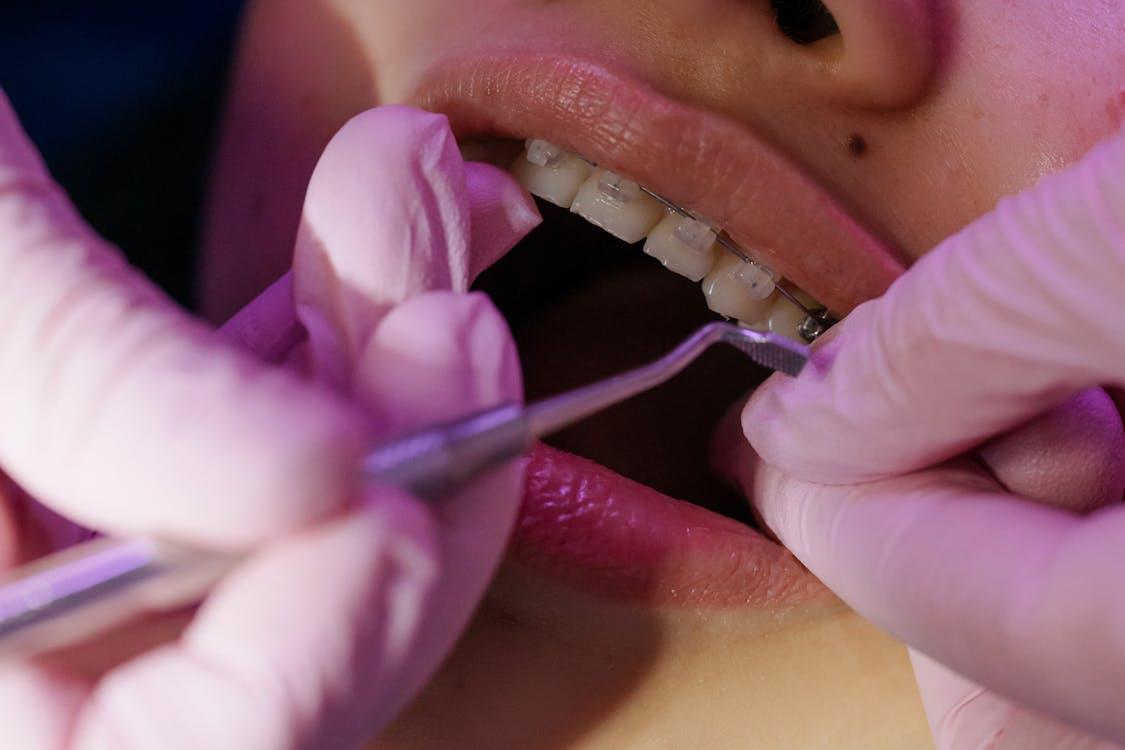
Ceramic braces provide another modern solution for patients who want less noticeable orthodontic treatment. These braces function similarly to traditional braces, but they use clear or tooth colored brackets that blend more naturally with the teeth. Many adults choose ceramic braces because they provide reliable correction while maintaining a more professional appearance throughout treatment.
Although ceramic braces look more discreet, they still require proper maintenance and regular care. Patients should avoid foods and drinks that may stain the brackets or elastic ties over time. Orthodontists also encourage consistent oral hygiene habits to keep both the braces and teeth clean during treatment. With proper care, ceramic braces can deliver highly effective results while remaining less visible than traditional metal systems.
Self-Ligating Braces and Advanced Orthodontic Technology
Self-ligating braces represent another advancement in modern orthodontic treatment. Unlike traditional braces that use elastic ties, these systems use specialized clips to hold the archwire in place. This design reduces friction and allows teeth to move more efficiently in some cases. Many patients also appreciate that self-ligating braces can feel more comfortable during adjustments.
Modern orthodontic technology continues to improve treatment precision and patient experience. Digital treatment planning allows orthodontists to track tooth movement with greater accuracy throughout each stage of care. Some systems may also reduce appointment times and simplify maintenance. These improvements help patients receive efficient treatment while maintaining a more comfortable daily routine.
What Happens During a Modern Orthodontic Consultation
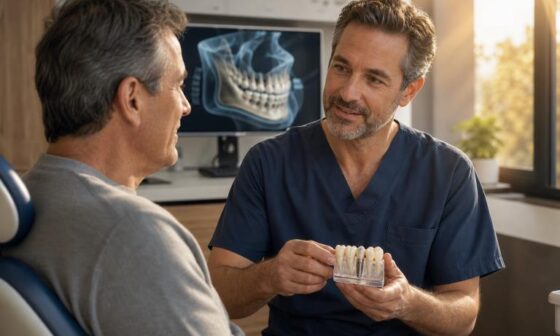
An orthodontic consultation gives patients a clear understanding of their dental alignment needs and treatment possibilities. During the appointment, orthodontists typically perform a detailed examination using digital X-rays, photographs, and 3D scans. These tools help identify crowding, bite concerns, spacing issues, and jaw alignment problems before treatment begins.
The consultation also allows patients to ask questions about treatment timelines, costs, and expected results. Orthodontists explain the advantages of different options based on each patient’s lifestyle and oral health condition. This personalized approach helps patients feel informed and confident when deciding on the most suitable orthodontic treatment plan.
Adjusting to Everyday Life with Orthodontic Treatment
Modern orthodontic treatments are designed to fit more comfortably into everyday life. Patients may still need to make temporary adjustments, especially when it comes to food choices and oral hygiene habits. Hard or sticky foods can damage braces, while aligners require consistent cleaning and proper storage throughout the day.
Good oral hygiene remains essential during treatment. Patients should brush carefully around brackets or clean aligners regularly to prevent plaque buildup and staining. Orthodontists may also recommend flossing tools or special brushes that make cleaning easier. With proper care and consistency, most patients quickly adapt to their treatment routine without major disruptions.
Why Retainers Are a Critical Part of Modern Orthodontic Care
Retainers play an important role after active orthodontic treatment ends. Teeth naturally shift over time, especially during the first several months following braces or aligner treatment. Retainers help maintain the new alignment and protect the progress achieved throughout the treatment process.
Orthodontists may recommend removable or fixed retainers depending on the patient’s specific needs. Removable retainers offer flexibility and easy cleaning, while fixed retainers provide continuous support behind the teeth. Consistent retainer use helps preserve bite alignment, appearance, and long-term oral health. Patients who follow retainer instructions carefully are more likely to maintain lasting orthodontic results.