Key Takeaways
- Seasonal care can help homeowners notice small cooling problems before they become major disruptions.
- Basic upkeep, including filter checks and debris removal, supports consistent airflow.
- Electrical, refrigerant, and sealed-system work belongs with qualified HVAC professionals.
- The right schedule depends on local weather, system age, household conditions, and cooling demand.
- A written record of maintenance and warning signs makes future service more efficient.
Why Seasonal Care Matters
An air conditioner can seem perfectly normal during mild weather, then struggle on hot days, running for hours at a time. A simple seasonal plan gives homeowners a chance to check visible conditions, monitor comfort, and get professional help before a small concern becomes an inconvenient summer breakdown.
Routine care supports steady airflow, more dependable comfort, and early detection of leaks, noise, or thermostat issues. It cannot prevent every failure, especially in older equipment, but it can reduce the chance that obvious warning signs go unnoticed. Keeping filters and accessible vents clean may also support healthier indoor conditions, since filtration is one part of managing indoor air quality at home.
Maintenance needs vary by climate, equipment type, pets, allergies, and how often the home is occupied. Homes experiencing long, hot summers might require more frequent filter inspections compared to homes that only use cooling systems sporadically.
Create Your Care Calendar
A calendar keeps maintenance manageable. Instead of trying to remember every task at once, assign a short focus to each season and adjust it for your household.
- Early spring: Prepare for cooling by checking filters, clearing outdoor debris, testing basic operation, and scheduling service if needed.
- Peak summer: Watch comfort, airflow, run times, moisture, odors, and unfamiliar sounds.
- Early fall: Review the season, document concerns, clear leaves, and plan repairs before the next heavy-use period.
- Late fall and winter: Keep the outdoor equipment area clear and follow the manufacturer’s instructions for low-use months.
Spring Cooling Checklist
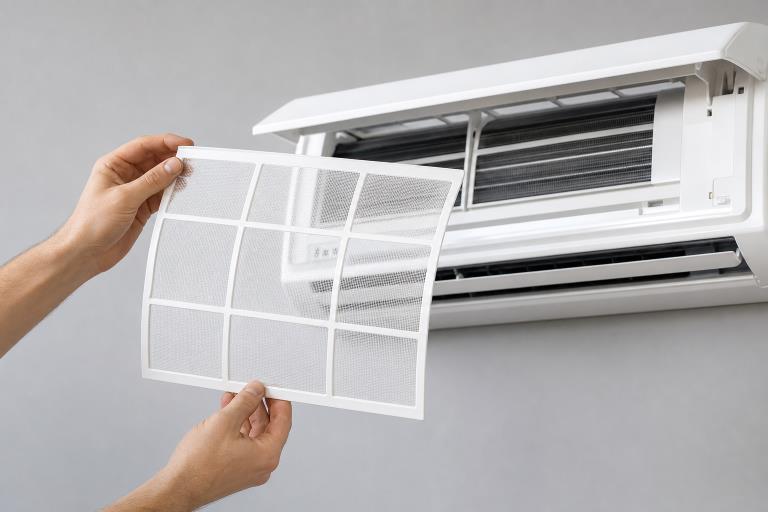
Spring is an ideal time to check for visible issues before the regular cooling season starts. Begin by inspecting the return-air filter. Replace it if it appears dirty, damaged, or if it’s past its recommended replacement date as per the manufacturer’s guidelines.
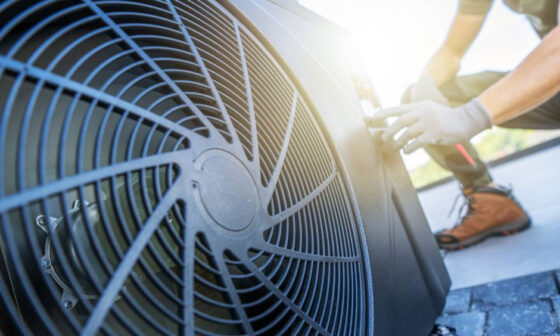
- Remove leaves, grass clippings, and loose debris from around the outdoor unit.
- Keep plants, storage items, and fencing from restricting airflow around the cabinet.
- Confirm that supply vents and return grilles are open and not blocked by furniture or rugs.
- Test the thermostat and make sure the system responds normally.
- Look for water near the indoor unit, drain outlet, or nearby flooring.
- Listen for rattling, grinding, buzzing, or repeated clicking during startup.
Summer Performance Checks
During the hottest months, homeowners do not need to open panels or handle components to notice important changes. Pay attention to how quickly rooms reach the set temperature and whether some areas feel much warmer than usual. Weak airflow, warm air from vents, or longer-than-normal run times deserve attention.
Keep doors and windows closed while cooling is running, and avoid blocking registers with furnishings. Check filters on the schedule recommended for your system, then adjust as needed for pets, construction dust, allergies, or heavy daily use. Also watch for musty odors, excess humidity, or visible condensation around indoor equipment.
Fall And Off-Season Tasks
After the busiest cooling months, take a few minutes to record what happened. Notes about a noisy startup, an upstairs room that stayed warm, or a drain issue can help a technician diagnose an intermittent problem later.
- Clear fallen leaves and debris from around the outdoor unit.
- Inspect visible line-set insulation and exterior coverings for damage.
- Store service invoices, warranty documents, and repair notes together.
- Schedule nonurgent repairs before the next high-demand season when possible.
- Use the owner’s manual rather than a generic winterization method.
Safe Tasks Homeowners Can Handle
Reasonable Homeowner Tasks
- Replacing standard air filters.
- Removing loose leaves near, but not inside, the outdoor cabinet.
- Keeping accessible vents, grilles, and returns clear of dust and obstructions.
- Checking for visible water, unusual odors, or performance changes.
- Review the manual before changing thermostat settings or maintenance routines.
Tasks To Leave To A Professional
- Testing capacitors, contactors, wiring, or other high-voltage components.
- Measuring or adding refrigerant.
- Opening electrical compartments or sealed equipment areas.
- Diagnosing compressor, blower motor, control board, or coil problems.
What Professional Maintenance Covers
A thorough service visit should evaluate thermostat operation, electrical connections, safety controls, airflow, coil condition, condensate drainage, and refrigerant-related performance. The technician may also inspect visible wear, corrosion, loose components, and operating noises. Ask for a clear explanation of findings, including which repairs are urgent, which can be planned, and why each recommendation matters.
Warning Signs That Need Attention
- The system blows warm air, or the airflow suddenly weakens.
- The unit starts and stops unusually often.
- Humidity remains high even while the system runs.
- Water appears around the air handler or drain line.
- Energy use rises without a meaningful change in weather or habits.
- The outdoor unit produces harsh, unfamiliar sounds.
- A breaker trips repeatedly, or a burning smell develops.
Repeated breaker trips, burning odors, damaged wiring, and major water leaks need prompt attention. Turn the system off when continued operation could create a safety risk or cause additional damage.
Keep Better Maintenance Records
A small maintenance folder can save time during future service calls. Record the system make, model, approximate installation date, filter size, and each filter replacement date. Keep receipts, inspection notes, warranty information, and the owner’s manual in the same place. It is also useful to list recurring issues and unusual changes in energy use during comparable weather.
Final Thoughts
A successful air conditioner maintenance plan doesn’t have to be complicated. By performing a few seasonal checks as a homeowner, scheduling timely professional inspections, and keeping accurate records, you can ensure year-round comfort. The best plan takes into account the specifics of your home, your equipment, and the local climate, all while prioritizing safety in every decision.