How Glutathione Functions in Topical Formulations
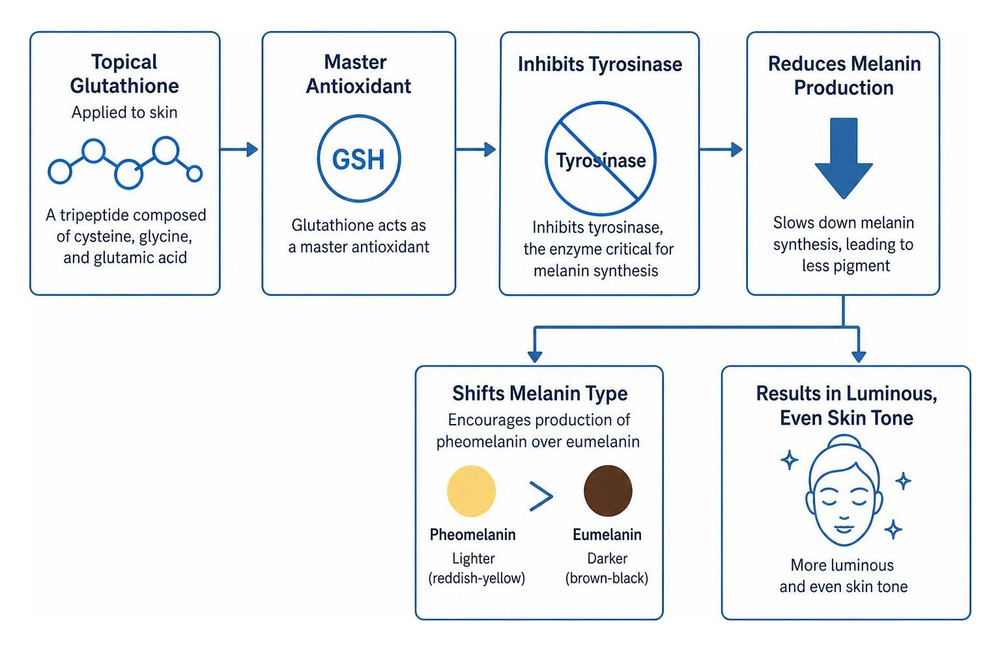
To understand why Glutathione Whitening Cream has become a staple in modern beauty regimens, we must first look at the biology of skin pigmentation. Glutathione is a tripeptide—a small protein composed of three amino acids: cysteine, glycine, and glutamic acid. While it is naturally synthesized by our cells to combat oxidative stress, its application in skincare focuses on its unique ability to influence melanin production.
When applied topically, glutathione acts as a master antioxidant. Its primary mechanism involves the inhibition of tyrosinase, an enzyme that is critical for the synthesis of melanin. By effectively “switching off” or slowing down this enzyme, the skin is prompted to produce less pigment. Furthermore, glutathione has the unique ability to shift the type of melanin produced by the body. It encourages the production of pheomelanin (the lighter, reddish-yellow pigment) over eumelanin (the darker, brown-black pigment), which contributes to a more luminous and even skin tone.
Biochemical Mechanisms of Melanin Reduction
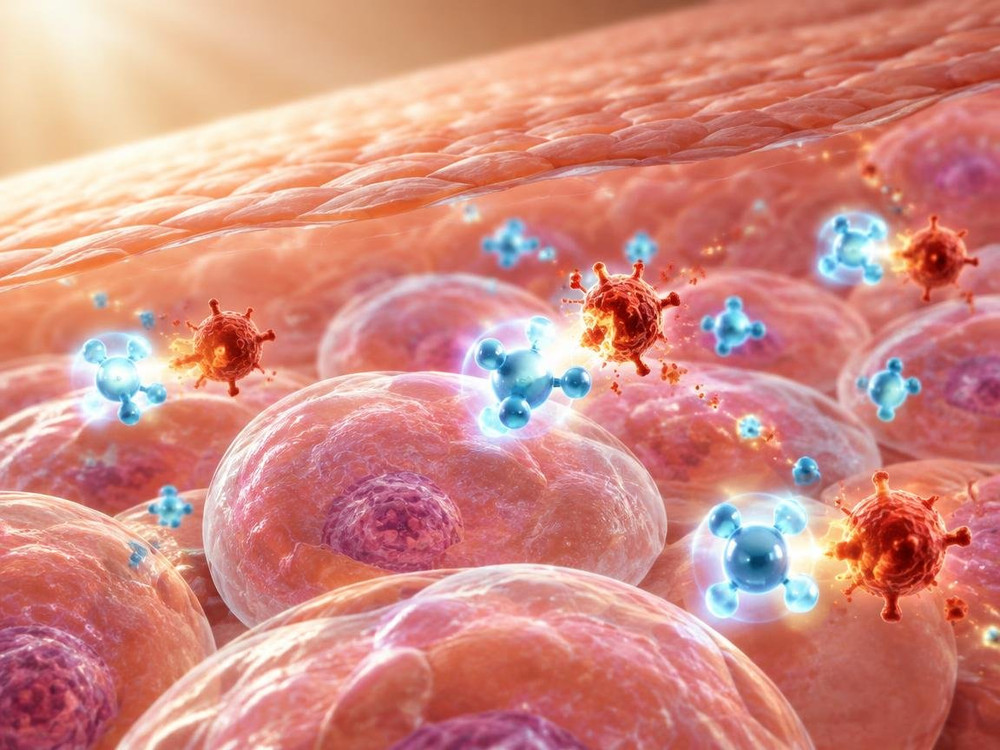
The efficacy of these creams often hinges on their ability to penetrate the skin barrier and remain active. Glutathione works through several pathways simultaneously. Beyond simple tyrosinase inhibition, it functions as a chelating agent. It binds to copper ions, which are essential cofactors for the tyrosinase enzyme to function. By removing these ions from the equation, the enzyme becomes inactive, effectively halting the darkening process.
Additionally, by neutralizing free radicals, glutathione prevents the oxidative stress that often triggers melanocyte activation. When our skin is exposed to UV light or environmental pollutants, it enters a state of inflammation, which signals the body to produce more melanin as a protective measure. By maintaining a high antioxidant capacity within the skin, glutathione helps keep these cells in a “neutral” state, reducing the likelihood of hyperpigmentation flare-ups.
Comparing Molecular Forms of Glutathione
Not all glutathione is created equal. When shopping for a cream, you will encounter various forms, each with different levels of stability and absorption:
- Reduced L-Glutathione: This is the active, functional form of the molecule. It is the most common in skincare but can be unstable when exposed to air and light, meaning it requires careful, airtight packaging to remain effective.
- Oxidized Glutathione: Often found in lower-cost formulations, this form is less biologically active and must be converted back into its reduced state by the body to be fully effective.
- S-Acyl Glutathione: This is a stabilized, lipid-soluble form. Because it is fat-soluble, it has a superior ability to penetrate the skin’s lipid barrier compared to the standard water-soluble versions, often leading to more consistent results in clinical settings.
Key Synergistic Ingredients in Skin Brightening Treatments
Rarely does a high-quality cream rely solely on glutathione. To maximize results, formulators often pair it with other agents that support barrier health and target pigment from multiple angles. When you explore professional skin brightening treatments, you will notice that the most effective protocols are rarely “single-ingredient” solutions. Instead, they rely on a multi-faceted approach that combines antioxidants with cellular turnover agents.
Incorporating Niacinamide and Arbutin in Skin Brightening Treatments
Niacinamide (Vitamin B3) is a frequent partner to glutathione. While glutathione targets the production of pigment, niacinamide works by inhibiting the transfer of melanosomes—the tiny “packages” of pigment—from the melanocytes to the surrounding skin cells. By blocking this transfer, niacinamide ensures that even if some pigment is produced, it does not become visible on the surface of your skin.
Alpha Arbutin, a derivative of hydroquinone, is another powerful ally. It provides a gentle, effective way to block tyrosinase activity without the harshness often associated with stronger clinical-grade bleaching agents. When combined with glutathione, these ingredients create a comprehensive barrier against hyperpigmentation, helping to fade existing spots while preventing new ones from forming.
Pairing Vitamin C and Gentle Exfoliating Actives
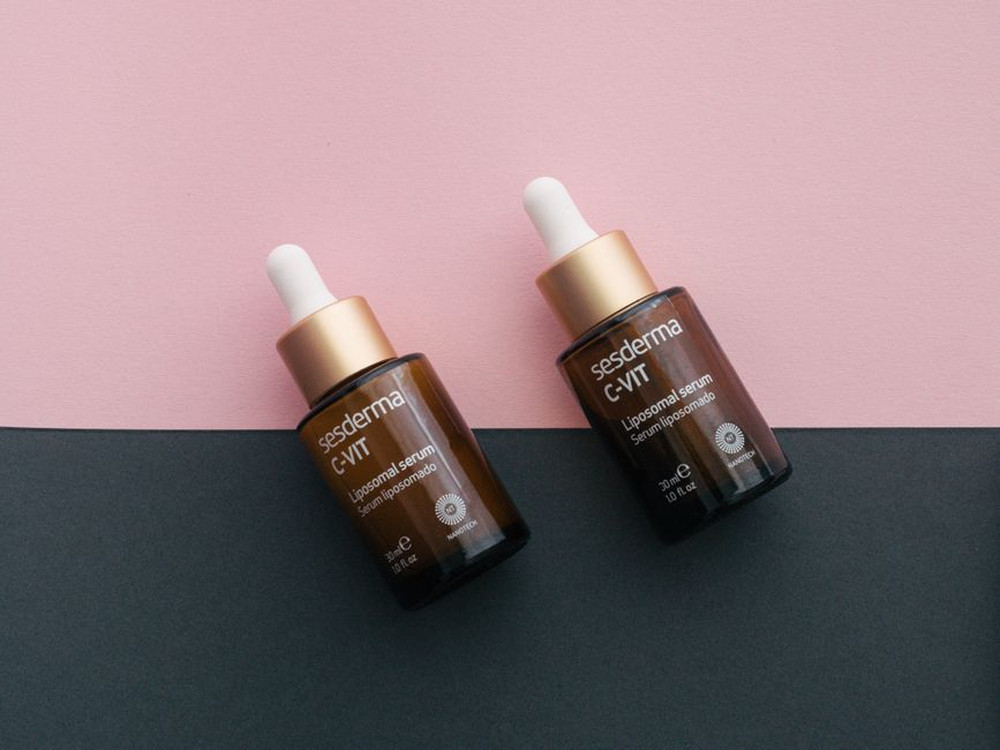
Vitamin C (L-ascorbic acid) is perhaps the most famous partner for glutathione. They share a synergistic relationship: Vitamin C helps to regenerate glutathione after it has been used up by the skin, effectively “recharging” the antioxidant.
In many advanced formulations, you will also find gentle exfoliating acids like salicylic or lactic acid. These ingredients help remove the top layer of dead skin cells, which allows the glutathione and other brightening actives to penetrate deeper into the epidermis. This combined approach of exfoliation and antioxidant protection is a hallmark of high-quality skin brightening treatments.
Clinical Efficacy, Application Protocols, and Safety
While consumer demand is high, it is important to maintain realistic expectations. Clinical studies have shown that topical glutathione can indeed lead to a statistically significant reduction in the melanin index over time, particularly when used consistently. However, unlike prescription-strength bleaching agents, glutathione is a gradual process.
Realistic Timelines for Visible Results in Skin Brightening Treatments
Skin turnover typically follows a 28-day cycle. Because glutathione works by inhibiting the production of new pigment rather than “erasing” existing pigment overnight, you should not expect immediate transformations. Most users begin to notice a subtle improvement in skin radiance within the first 4 weeks. For more significant reduction in dark spots or melasma, clinical improvements are typically measured over a 10- to 12-week period. Consistency is the most important factor; skipping applications can interrupt the enzyme-inhibition process and slow your progress.
Safety Profile, Tolerability, and Side Effects
Generally, glutathione is considered very safe for topical use because it is a substance the body already recognizes. However, the “base” of the cream—the oils, preservatives, and emulsifiers used to deliver the glutathione—can sometimes cause irritation.
If you have sensitive skin, we recommend performing a patch test on your inner forearm for 48 hours before applying the cream to your face. Furthermore, because brightening treatments can sometimes make the skin more sensitive to environmental stressors, it is vital to use a high-SPF, broad-spectrum sunscreen every single day. Without sun protection, you are essentially trying to stop the production of melanin while simultaneously triggering your skin to produce more of it via UV exposure.
Frequently Asked Questions About Glutathione Creams
How long does it take for topical glutathione to lighten dark spots?
Most clinical observations suggest that users begin to see a measurable difference in skin tone after 8 to 12 weeks of daily, consistent application. This timeline accounts for the natural cycle of skin cell renewal and the time required for the antioxidant to effectively inhibit tyrosinase activity.
Can glutathione cream be safely combined with other active ingredients?
Yes, glutathione is highly compatible with most skincare ingredients, including Vitamin C, niacinamide, and hyaluronic acid. In fact, these combinations are often encouraged. However, if you are using strong prescription retinoids or high-concentration acids, it is best to introduce the glutathione cream slowly to ensure your skin barrier remains healthy and hydrated.
Is daily sunscreen necessary when using glutathione whitening creams?
Absolutely. Sunscreen is the most important part of any brightening routine. UV radiation is the primary trigger for melanin production. If you are using a glutathione cream to reduce pigmentation but failing to protect your skin from the sun, you are working against your own efforts. A daily SPF 30 or higher is essential to preserve the results you achieve.
Conclusion
Glutathione whitening cream represents a sophisticated intersection of antioxidant science and aesthetic dermatology. By neutralizing free radicals and inhibiting the enzymes responsible for dark spots, it offers a gentle, effective pathway to a more radiant complexion. However, it is not a “magic bullet.” Success with these products requires patience, a commitment to daily application, and a holistic approach that includes sun protection and, when necessary, professional guidance on skin brightening treatments.
When you choose to incorporate these products into your routine, focus on high-quality formulations that prioritize stability and ingredient synergy. By managing your expectations and maintaining a consistent, science-backed regimen, you can support your skin’s health and achieve the luminous, even tone you are looking for. The best skincare outcomes are those that prioritize long-term skin integrity over quick, temporary fixes.