Begin with a Purposeful Plan
Before you move a chair or order a single plant, decide what you want your outdoor space to do for you. Picture how you will use it during busy weekdays and lazy weekends. A quiet reading nook, a social hub for dinner parties, or a flexible layout that handles both are all valid goals. Map zones to match these intentions so each area has a clear role. This simple discipline sets a strong foundation, much like stakes and string mark a garden bed before the first seed goes in.
Read the Sun, Respect the Flow
Walk your yard morning to evening and note how light and shade migrate. Observe prevailing breezes and the lines of movement from kitchen to patio to lawn. The way people naturally travel through a space should guide your layout. If the afternoon sun hits hard, place seating where shade arrives on cue. If your indoor dining area opens to a deck, position your outdoor table where it feels like an easy extension of daily life. When the flow works, the entire space becomes as intuitive as a well chosen path through a forest.
Shelter That Makes Every Season Comfortable
Unprotected patios can swing from scorching to soaked without warning. A well built cover changes that. Shade reduces glare and heat, while a roof or awning keeps furniture in better shape and invites year round use. Insulated covers help regulate temperature, lattice structures soften light with patterned shadow, and durable fabrics withstand weather with grace. Professional installation ensures proper pitch, drainage, and attachment to your home. Choose a cover that complements your architecture so the transition from indoors to outdoors feels seamless. With the right shelter, you can linger outside when the sun is high or the clouds gather.
Build a Lounge That Invites Long Stays
Resort-inspired retreats revolve around comfort. Pick seating for long chats and lazy afternoons. Relax on outdoor sofas and sectionals with supporting cushions, or burrow into lounge chairs to unwind. Choose frames and textiles that endure sun and rain. A coffee table or modest side tables keeps books, drinks, and snacks handy. Keep paths clean for simple movement and allow furnishings generate comfortable solitude without hindering flow.
Grow Resort Ambiance with Layered Greenery
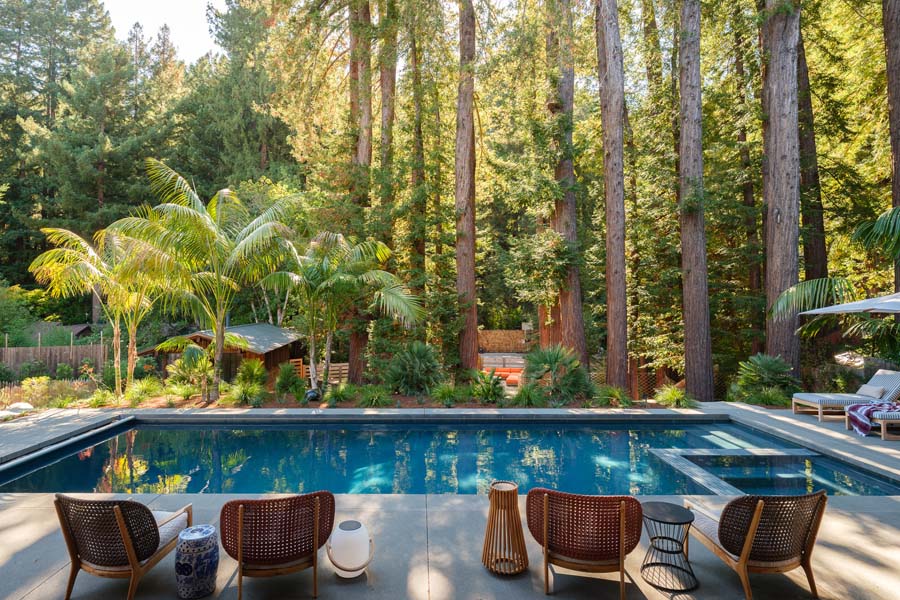
Plants transform space like stage lighting changes a scene. Focus on species that love your climate and the light they will receive. Layer heights for depth and texture. Tall fronds and structured shrubs set the backdrop, medium plants fill the middle ground, and soft groundcover knits edges together. Potted palms, glossy leaves, and grasses that sway with breezes lend that vacation feeling. Use containers to add color and mobility, shifting accents as seasons change. When greenery thrives without constant fuss, the space stays lush and welcoming.
Let Water Set the Pace
Water brings calm like a lullaby. Even a compact bubbling fountain softens noise and creates gentle movement. If you have room, consider a narrow waterfall wall or a small koi pond. The key is easy maintenance and the right placement. Position the feature so its sound reaches your lounge zone, or tuck it where you pass often, letting the rhythm greet you each time you step outside. The presence of water encourages slower breathing and longer pauses, a simple invitation to reset.
Light for Warm Nights and Safe Steps
As daylight fades, lighting takes over the mood. Start with functional fixtures that guide movement, such as path lights, step lights, and wall sconces near doors and transitions. Then layer ambiance. String lights drape a soft glow over dining and lounge areas, while lanterns add character and intimacy. Aim small spotlights at textured plants or interesting architectural elements so your landscape keeps its identity after sunset. Choose warm color temperatures to flatter skin and food and to bring a sense of comfort that lingers late into the evening.
Design a Dining Nook that Feels Effortless
Dining outdoors should feel easy. Set a sturdy table and chairs in a shaded or covered spot so meals are comfortable in midday and sheltered in light rain. Opt for materials designed for the elements, such as powder coated metal, sustainably treated wood, or high quality resin. Use outdoor cushions that resist fading and dry quickly. Keep the setting uncluttered yet inviting with a simple centerpiece, woven placemats, or a pair of candles. When the dining area is ready at a moment’s notice, spontaneous meals become part of your routine.
Elevate Cooking with a Weather Ready Station
A small, efficient outdoor kitchen changes the way you use your yard. You do not need a sprawling setup to make a big impact. Combine a reliable grill with a compact prep counter and weather safe storage for tools and spices. If space allows, add a sink and a built in unit for consistent performance. Choose materials that stand up to heat, moisture, and temperature swings. Stainless steel resists corrosion, stone and concrete handle daily wear, and sealed cabinetry protects supplies. With a smart layout and the right finishes, cooking outside becomes simple and satisfying.
Treat the Outdoors as Daily Living Space
When you design with intention, your backyard stops being an occasional destination and becomes part of your everyday rhythm. Think of the patio as a second living room, the dining table as a natural extension of family meals, the lounge as your favorite reading corner. Build habits around the space. Morning coffee under the cover. Evening stretch by the water feature. Conversations under soft lights. The more the outdoors supports your routines, the more it adds to your well being, like a quiet companion that steadies the pace of your day.
FAQ
How do I choose the right patio cover for my climate?
Start by identifying the dominant weather challenges in your area. In hot, sunny regions, insulated solid covers or pergolas with adjustable slats help control heat and glare. In wet climates, a fully roofed structure with proper drainage keeps surfaces dry. Consider wind exposure and local snow loads if relevant, then match structure and materials accordingly. Ensure the cover is anchored to your home or a dedicated frame with correct pitch and flashing so it performs well year after year.
What plants give a resort feel without heavy maintenance?
Choose climate friendly plants first, then mix textures. Consider hardy palms where winters are mild, architectural succulents in arid zones, and glossy evergreen shrubs in temperate areas. Add ornamental grasses for movement and low maintenance groundcovers to keep soil shaded. Use containers for accents you can swap seasonally. The result is a layered, lush look with less watering and pruning.
Do I need a large yard to add a water feature?
Not at all. Compact fountains, wall mounted cascades, or bowl style bubblers fit on small patios and balconies. Focus on simplicity and ease of maintenance. Choose a self contained unit with a built in reservoir, and place it where the sound can be enjoyed from seating areas. Even a small trickle adds a calming presence to a tight space.
How can I create cozy lighting without glare?
Combine low output fixtures and warm color temperatures. Use path lights close to the ground, shielded step lights, and dimmable string lights across seating or dining zones. Aim spotlights away from eyes and toward surfaces that reflect softly, like textured walls or broad leaves. The mix creates layers of illumination that feel inviting rather than clinical.
What materials work best for an outdoor kitchen?
Prioritize toughness and convenience. High-quality porcelain or compact surfaces resist discoloration, stainless steel resists rust and cleans fast, and stone and concrete resist heat and weather. Choose outdoor cabinetry with weatherproof seals and hardware. Combine these finishes with a creative layout to keep cooking tools dry, surfaces clean, and the station functional year-round.