Owning a home means constantly making decisions about where to invest your time and money. Every homeowner faces the challenge of balancing what looks good with what genuinely needs attention. You might dream of a stunning kitchen backsplash or a fresh coat of paint in the living room, but what happens when the water heater starts making strange noises or the foundation shows signs of settling?
Understanding how to prioritize between aesthetic improvements and essential repairs can save you from costly mistakes while still creating a space you love. For homeowners in Portland, Oregon, this balancing act becomes even more important given the region’s unique climate considerations.
Starting with the Essentials: Roof and Structural Integrity
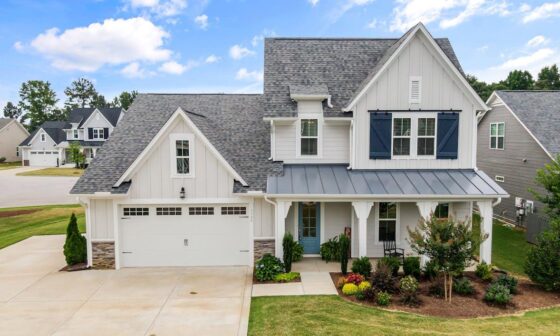
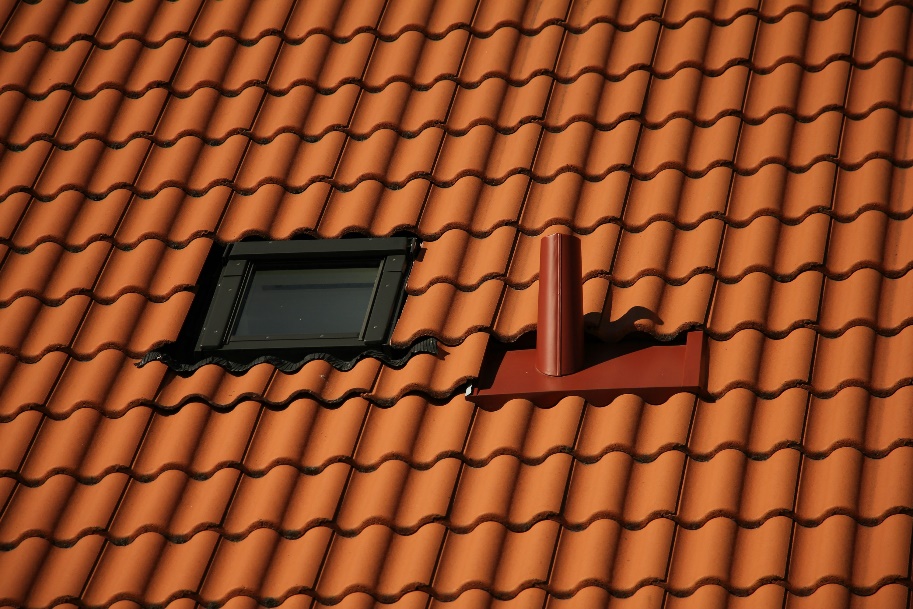
Before considering any decorative changes, your home’s protective shell demands attention. The roof stands as your first line of defense against the elements, and neglecting its condition can lead to problems that cascade throughout your entire property. Water damage from a compromised roof can destroy insulation, create mold issues, and ruin interior finishes you might have recently upgraded.
If your roof shows signs of significant wear, missing shingles, or has reached the end of its expected lifespan, replacement becomes necessary rather than optional. The good news is, when it comes to roof replacement Portland has plenty of professionals ready to assess the condition of the roof and start repairs, ensuring your home stays protected through rainy seasons and beyond. Once you know your roof is sound, you can move forward with aesthetic projects without worrying about wasting money on improvements that water damage might later destroy.
Creating a Priority System That Works
Developing a clear hierarchy for home projects prevents you from getting swept up in trends while neglecting genuine needs. Start by categorizing every potential project into three groups: urgent repairs, preventive maintenance, and aesthetic upgrades. Urgent repairs include anything that affects safety, prevents further damage, or impacts your home’s basic functionality. Electrical problems, plumbing leaks, HVAC failures, and pest infestations all belong in this category.
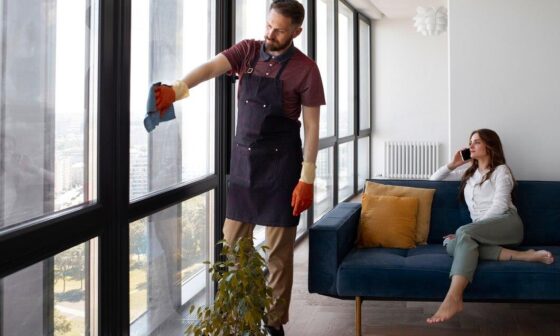
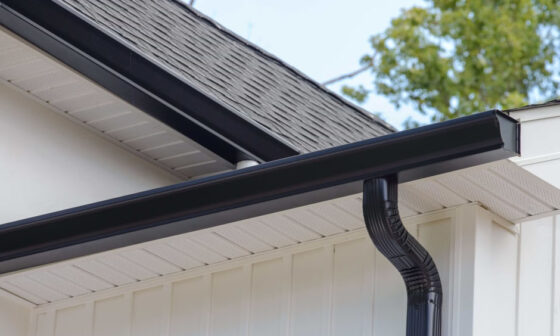
Preventive maintenance sits in the middle tier. These projects might not be emergencies today, but delaying them will create urgent problems tomorrow. Cleaning gutters, servicing your heating system, sealing windows, and addressing minor plumbing issues prevent small problems from becoming expensive disasters. Think of preventive maintenance as insurance you pay with your time and modest investment rather than with major repair bills later.
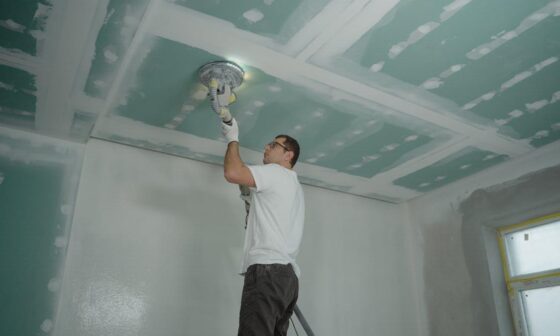
Aesthetic upgrades occupy the third tier. These projects improve your enjoyment of your space and potentially increase your home’s value, but they can wait if your budget or timeline is tight. New paint colors, updated light fixtures, modern cabinet hardware, or decorative landscaping all enhance your home’s appearance without addressing functional needs.
Finding the Sweet Spot: Projects That Do Both
The most satisfying home improvements deliver both practical benefits and visual appeal. These hybrid projects give you the best return on your investment because they solve real problems while transforming how your space looks and feels. Replacing old, drafty windows provides immediate aesthetic improvement while reducing energy bills and improving comfort. New windows change how light enters your rooms, update your home’s exterior appearance, and solve the practical problem of heat loss and outside noise.
Updating bathroom fixtures offers another opportunity to merge function with style. Replacing a leaking faucet with a modern design fixes the problem while refreshing the room’s look. Installing a new vanity can provide better storage solutions while dramatically changing the bathroom’s aesthetic. Kitchen updates work the same way. Replacing worn countertops or outdated appliances solves functional issues while giving you the visual transformation you want.
Flooring projects often serve dual purposes, too. If your carpet is stained beyond cleaning or your hardwood floors are damaged, replacement becomes both a practical necessity and an aesthetic opportunity. You can choose materials that better suit your lifestyle while completely changing how your rooms look and feel.
Budget Management Strategies
Smart homeowners allocate their resources with both immediate needs and long-term goals in mind. A good rule involves setting aside a portion of your annual home maintenance budget for unexpected repairs while earmarking funds for planned improvements. This approach prevents you from draining your emergency fund on cosmetic projects, leaving you vulnerable when urgent repairs arise.
Consider the twenty percent rule: dedicate at least twenty percent of your annual home improvement budget to preventive maintenance and urgent repairs before spending on aesthetic upgrades. This ensures you’re protecting your investment first and decorating second. For larger projects, breaking them into phases makes them more manageable financially while letting you maintain your home properly throughout the process.
Some aesthetic projects can happen gradually without compromising the results. You might paint one room at a time, update light fixtures in phases, or landscape in sections. This approach spreads costs over time while keeping money available for unexpected repairs.
Learning to Recognize False Urgency
Marketing and trends can create artificial pressure to update perfectly functional elements of your home. Social media and home improvement shows might make your kitchen feel outdated, but if your appliances work well and your cabinets remain sturdy, replacement becomes a want rather than a need. Learning to distinguish between genuine problems and perceived shortcomings helps you make better decisions about where to invest.
Sometimes a simple refresh serves better than a complete overhaul. Painting cabinets, changing hardware, or updating a backsplash can transform a kitchen’s appearance at a fraction of replacement costs. These smaller aesthetic improvements leave your budget intact for repairs that genuinely matter.
When you maintain this balanced approach, your home stays both beautiful and functional. You create a space that reflects your taste while protecting the substantial investment your property represents.
The key lies in staying honest about what your home truly needs, planning carefully for both repairs and improvements, and understanding that the best home is one that works well and looks good doing it. By keeping practical repairs as your foundation and building aesthetic improvements on top of that solid base, you ensure your home remains a source of pride and comfort for years to come.