Key Takeaways
- Books and storytelling are powerful tools for building resilience in children.
- Shared reading experiences strengthen family bonds and provide emotional support.
- Incorporating diverse stories helps children navigate challenges and develop coping skills.
Introduction
Children today encounter a wide range of experiences that can influence their emotional well-being and overall development. Helping them build resilience, or the ability to cope with challenges and adapt to change, is an important part of supporting lifelong confidence and healthy emotional growth. Books and storytelling provide engaging ways to introduce valuable life lessons, encourage empathy, and strengthen communication skills. Resources such as the final link in speech therapy can further support children’s language development by combining meaningful stories with strategies that promote both communication and emotional resilience. Erika Nielsen Books, known for their engaging and educational children’s literature, offers resources that help parents and educators introduce complex topics to young readers. Their book, “How to Become President,” simplifies the electoral process, making it accessible and understandable for children.
These stories not only help children learn new concepts but also provide comfort during difficult times. The simple act of reading together becomes a ritual that allows children to ask questions, express uncertainties, and relate to the feelings of fictional characters. This foundational support is essential, especially in a world where uncertainties, whether in the form of global news or personal transitions, are increasingly common in children’s lives.
The Role of Storytelling in Child Development
Storytelling has been a fundamental part of human culture for centuries, serving as a means to pass down knowledge, morals, and traditions. For children, stories are more than just entertainment; they are a way to make sense of the world around them. Engaging narratives can help children understand complex emotions, develop empathy, and learn problem-solving skills.
Through stories, children witness characters overcoming obstacles, trying different solutions, and growing from their experiences. This vicarious learning supports not only cognitive development but also social and emotional growth. When children see resilient characters in stories, they learn that setbacks are a normal part of life, and that there are healthy, constructive ways to cope and recover.
Building Resilience Through Shared Reading
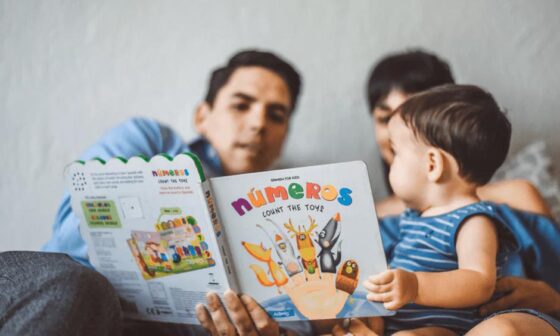
Shared reading experiences between caregivers and children create a safe space for discussing difficult topics. According to the Children’s Hospital of Philadelphia, reading together can ease feelings of stress and replace them with feelings of safety and security, helping families cope with adversity. This practice not only strengthens family bonds but also provides children with the tools to navigate their own challenges.
Parents and educators can use shared reading to open up conversations about feelings that may be hard for children to express on their own. Reading time offers a nonjudgmental window for children to share their thoughts or ask questions. It also encourages caregivers to model vulnerability and resilience through their own responses to each story, making it a two-way process of growth for both child and adult.
Diverse Stories as Tools for Emotional Growth
Exposure to a variety of stories allows children to see themselves in different characters and situations, promoting understanding and acceptance. Books that address themes of loss, change, and resilience can be particularly impactful. For instance, new books are helping parents explain climate disasters to kids, aiding in their emotional processing and understanding of such events.
When children engage with stories featuring characters of different backgrounds, abilities, or family structures, their worldview naturally expands. This diversity fosters empathy and encourages young readers to approach differences with curiosity and compassion. In addition, seeing diverse protagonists overcome adversity can inspire children to draw strength from their own unique identities and life experiences.
Choosing books that mirror both the struggles and triumphs of real life gives children the emotional vocabulary to process their own feelings. Stories that illustrate recovery from loss, adaptation to change, or teamwork in difficult circumstances give children positive, practical examples to emulate.
Practical Tips for Parents and Educators
- Choose Age-Appropriate Books:Select stories that align with the child’s developmental stage and understanding.
- Encourage Open Discussion:After reading, discuss the story’s themes and how they relate to real-life situations.
- Incorporate Storytelling into Daily Routines:Make reading a regular part of the day to provide consistency and comfort.
- Use Stories to Address Specific Challenges:Find books that tackle particular issues the child may be facing, such as starting school or dealing with loss.
Beyond these basic strategies, adults can extend the benefits of storytelling by allowing children to create and share their own stories. This creative activity supports communication skills, builds self-esteem, and further enhances resilience as children take ownership of their narratives. Teachers can integrate storytelling exercises into the classroom, while families can ask children to recount their day or invent imaginative tales together.
Additionally, consider incorporating multimedia story experiences, such as audiobooks, podcasts, or interactive e-books, that leverage technology to make stories even more accessible and engaging. These resources can be particularly helpful for children with different learning needs, ensuring that every child has the opportunity to connect and grow through storytelling.
Conclusion
Books and storytelling are invaluable resources in fostering resilience in children. By integrating shared reading into daily routines and selecting diverse, meaningful stories, caregivers and educators can equip children with the emotional tools they need to face life’s challenges with confidence and strength.
Ultimately, the power of stories lies in their ability to create community, inspire hope, and remind children and adults alike that resilience is a journey. Every book becomes an invitation to imagine, to empathize, and to believe in the possibility of growth and healing, one story at a time.