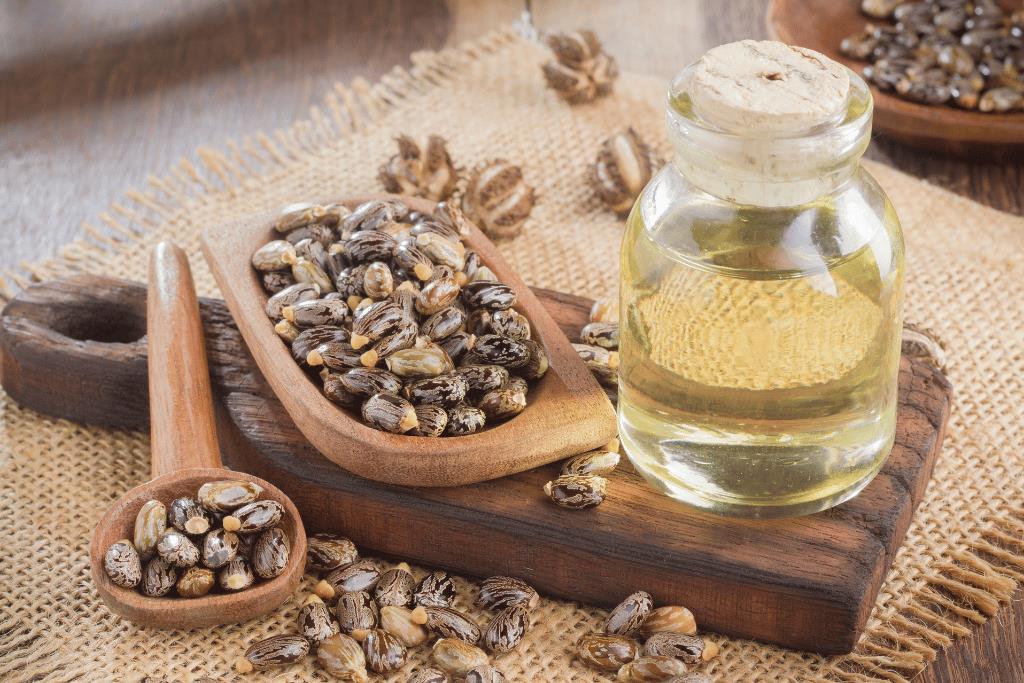
For something so simple, castor oil has managed to stay relevant for thousands of years. From ancient healing practices to modern-day wellness routines, this thick, golden oil continues to show up everywhere—on bathroom shelves, in beauty products, and even in holistic health discussions. But that raises an important question: Is castor oil just an old remedy being recycled, or is it truly a modern wellness essential?
Let’s break it down in a clear, practical way.
A Look Back: Castor Oil in Ancient Times
Castor oil isn’t new—not even close. Its history goes all the way back to ancient Egypt, where it was valued for both healing and beauty. Historical records show that Egyptians used castor oil as a natural laxative, a skin conditioner, and even as fuel for lamps. Today, brands like The Goodbye Company continue this legacy by bringing this time-tested oil into modern wellness routines.
In traditional systems like Ayurveda and Chinese medicine, castor oil was commonly used to support digestion, ease inflammation, and help maintain overall balance in the body. It was considered a powerful natural remedy, especially for concerns related to dryness, stiffness, and internal cleansing—benefits that still make it relevant in today’s wellness world.
What’s interesting is that even without modern science, these cultures recognized something unique about castor oil—its ability to deeply penetrate and nourish.
What Makes Castor Oil Special?
The secret behind castor oil lies in its composition, especially a compound called ricinoleic acid. This fatty acid is known for its anti-inflammatory and moisturizing properties, which explains why castor oil feels thicker and more “intense” than most other oils.
Unlike lighter oils like almond or coconut oil, castor oil has a dense, almost sticky texture. While that might seem like a downside, it actually makes it ideal for certain uses—especially massage and deep hydration. It doesn’t evaporate quickly, which allows it to stay on the skin longer and work more effectively.
Castor Oil in Modern Wellness
Fast forward to today, and castor oil has found its way into the modern wellness world. But this time, it’s not just being used out of tradition—it’s being rediscovered through both science and social media.
1. Skincare and Beauty
Castor oil is now a staple in many beauty routines. People use it for:
- Moisturizing dry skin
- Supporting natural glow
- Reducing the appearance of fine lines
- Conditioning eyelashes and eyebrows
Its thick texture helps lock in moisture, making it especially useful for people with dry or sensitive skin.
2. Hair Care
One of the most popular modern uses of castor oil is for hair. It’s commonly applied to the scalp to:
- Support healthier-looking hair
- Improve scalp hydration
- Reduce dryness and flakiness
While results can vary from person to person, many people swear by its ability to make hair feel thicker and stronger over time.
3. Castor Oil Packs
This is where ancient practice meets modern trend. Castor oil packs—where oil is applied to the skin (often the abdomen) and covered with a cloth—have become increasingly popular in wellness communities.
People use them to:
- Promote relaxation
- Support digestion
- Reduce discomfort in certain areas
Although scientific evidence is still limited, many users report feeling more relaxed and balanced after regular use.
4. Joint and Muscle Support
Castor oil is also commonly used for massage, especially on areas that feel stiff or sore. Because of its thick consistency, it stays on the skin longer, making it suitable for slow, targeted massage.
Some people use it as part of their daily routine to help ease tension after long work hours or physical activity.
Ancient Wisdom vs Modern Hype
So, is castor oil truly effective—or is it just another wellness trend being overhyped?
The answer lies somewhere in the middle.
On one hand, castor oil has a long history of use across different cultures, which suggests that it offers real benefits. On the other hand, modern marketing has amplified its reputation, sometimes making claims that go beyond what science can fully support.
For example:
- It can deeply moisturize the skin—but it’s not a miracle cure for every skin condition
- It may support hair health—but it won’t magically regrow hair overnight
- It can be soothing during massage—but it’s not a replacement for medical treatment
In short, castor oil works best when used realistically—as a supportive tool, not a cure-all.
Choosing the Right Castor Oil
If you’re thinking of adding castor oil to your routine, quality matters more than you might think.
Look for:
- Cold-pressed castor oil (retains more nutrients)
- Organic options (free from pesticides)
- Hexane-free processing
Brands focus on providing high-quality castor oil that aligns with modern wellness standards while staying true to its natural roots.
Read the article: Ways to Treat Combination Skin With Breakouts and Scars
Final Thoughts
Castor oil is a rare example of something that has stood the test of time. It’s not just an ancient remedy, and it’s not just a modern trend—it’s a blend of both.
Its long history gives it credibility, while its current popularity shows that people are still finding value in it today.
The key is to use it wisely. Understand what it can and cannot do, choose a high-quality product, and make it part of a balanced routine rather than relying on it as a miracle solution.
In a world full of complicated skincare and wellness products, castor oil offers something simple, natural, and time-tested—and sometimes, that’s exactly what people are looking for.