What Makes Dopamine Décor Different
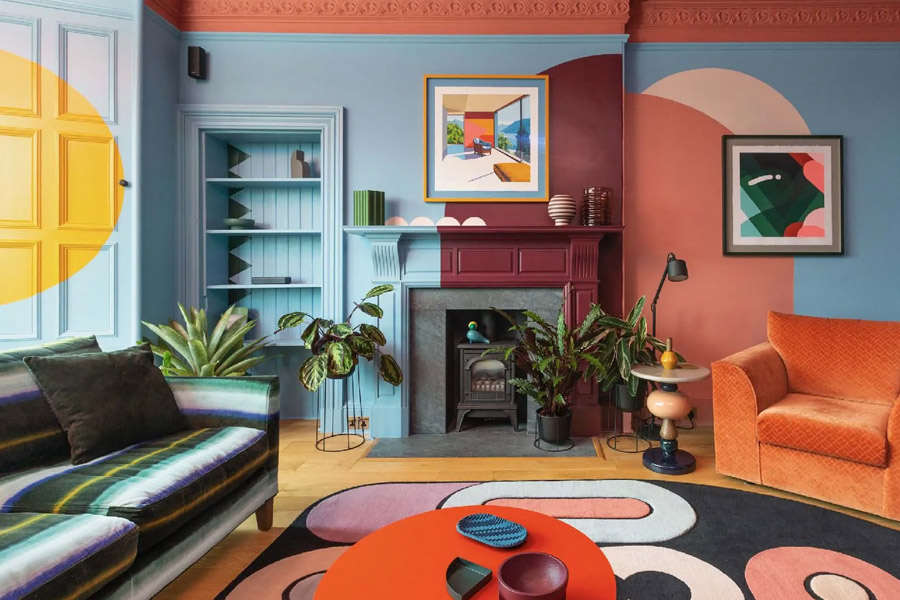
Dopamine décor is a playful approach to interior styling that focuses on delights you can see and feel. It is not a literal shortcut to chemical bliss, yet it leans on the idea that joyful stimuli create positive associations. Think of it as designing for small moments of wow. A citrus lamp on a bedside table. A peachy wall that glows at sunset. A cobalt vase that lends punch to a quiet shelf. The aim is to curates colors, patterns, and textures that make you smile without asking permission from traditional rules.
Where minimalist design often celebrates restraint, dopamine décor celebrates individuality. A deep teal armchair against a warm peach backdrop can feel like a conversation between friends. A lively runner can send energy down a hallway that once felt utilitarian. It invites you to combine pieces that resonate, even if the palette is unconventional, and to trust the gut feeling that says yes.
Why This Joyful Style Is Having a Moment
The surge in colorful interiors mirrors a broader shift toward comfort, care, and self expression at home. After spending more time indoors, many people reexamined how space affects mood. That curiosity cracked open the door to color psychology for everyday decorating. Warm hues often feel cozy, energetic tones can feel stimulating, and gentle pastels soothe the eye.
Social platforms accelerated the trend by showcasing rooms that lean bright and cheeky rather than shy and formal. Retro lamps glow like jewels. Cheerful gallery walls tell stories in frames. Glossy tilework reflects light back into the room. People found the courage to experiment in small ways that do not demand a full renovation. Colorful cushions, fun lampshades, patterned rugs, and playful accessories became easy entry points, turning refreshes into weekend projects instead of big-budget commitments.
How to Layer Color Without Overwhelm
Dopamine décor does not require a rainbow takeover. It thrives on targeted accents and thoughtful color relationships.
Begin with small injections of hue. A vibrant throw on a charcoal sofa, a coral tray on a coffee table, sunflower-yellow barstools at a kitchen counter. Each piece acts like a note in a song. Add, listen, adjust. Repeat. A pastel rug can bridge tones across a living area, softening strong colors while keeping the space lively. In narrow zones such as hallways, a patterned runner animates the path and frames the surrounding neutrals.
If you worry about visual clutter, choose one dominant color family then amplify it with a complementary accent. For example, greens and blues create a calm base, while a dash of tangerine teases the eye in strategic spots. That contrast brings energy without overwhelming the scene.
Texture, Pattern, and Touch
Like the sight, the hand has joy. Touching texture evokes emotion. Velvet couches are luxurious, boucle armchairs are warm, shiny tiles reflect light like water, and whimsical wallpaper adds character to blank walls. Textures give a room depth that paint cannot.
Consider how flooring supports the ensemble. Simpler floors can anchor vivid upholstery and patterned textiles. Alternately, parquet flooring or a characterful plank can add rhythm underfoot. The key is harmony. If the floor has presence, scale back a wall treatment. If the seating is bright, choose a quieter rug. When each element has a job, the room feels intentional and uplifting rather than busy.
Celebrate Meaningful Pieces
Dopamine décor is not just about color saturation. It works best when it feels personal. Let objects that matter take center stage. Display artwork collected over time, hang photographs that capture your favorite moments, or corral handmade ceramics on an open shelf. These pieces bring narrative, which makes color choices feel grounded rather than random.
A neutral backdrop can do a lot of heavy lifting here. A soft painted wall or a calm carpet lets cherished items stand out like actors under a warm spotlight. Restraint in one area can make your joyful accents feel special rather than scattered.
Finding Balance: Calm Meets Color
Great dopamine décor balances vibrancy with rest. Too many loud notes create visual noise. A softer foundation provides room for bold accents to breathe. Taupe walls, cream upholstery, pale floors, and filtered lighting can settle the room. Then a pop of fuchsia on a cushion, a rich teal armchair, or a cherry red frame delivers the lift.
In the home office or bedroom, keep saturation low and place vivid color where it brings joy without distracting. A vibrant rug, desk light, or botanical poster above a dresser can enliven the ambiance without disrupting it.
Does It Truly Lift Your Mood
While there is no simple formula that guarantees happiness on sight, surroundings shape perception. Color cues whether a space reads as cozy, energetic, or serene. Pattern adds rhythm. Texture invites touch. Most of all, personalization grows a sense of belonging. When your home reflects who you are, daily rituals feel more special.
In practice, many people experience small lifts throughout the day when interacting with joyful choices. A patterned runner that greets you in the morning. Soft velvet that eases a long afternoon. A splash of coral on a kitchen stool that makes meal prep feel lighter. These micro moments accumulate, nudging mood in a positive direction. The effect is gentle yet real, less fireworks and more warm candlelight.
Trying the Trend On Your Terms
If you are curious, adopt a playful mindset. Start small, then scale. Swap in colorful cushions, change a lampshade, layer a vivid throw, or introduce a statement vase. Use painter’s tape to test art arrangements before committing. If a color sings every time you walk by, keep it. If it feels too loud, soften the shade or change the placement.
Dopamine décor is not a rigid formula. It invites experimentation and rewards personal taste. When you find the mix that makes you feel more at home, the room becomes a daily companion that quietly boosts your mood.
FAQ
What is dopamine décor in plain terms?
It is a style that uses color, pattern, and texture to spark joy at first glance. Rather than following strict design rules, it prioritizes elements that feel emotionally uplifting and personally meaningful.
Does it rely on specific colors to work?
No. It works with the colors that make you feel good. Warm hues can feel cozy, bright tones can feel lively, and pastels can feel soft. The right palette is the one you enjoy living with every day.
Will bold colors make my room feel smaller?
Strong colors can draw the eye, which sometimes makes a space feel more intimate. To avoid a cramped feeling, pair saturated accents with lighter walls, pale flooring, or generous natural light. Balance is the secret sauce.
How can I try it without committing to repainting?
Start with portable accents. Cushions, throws, lampshades, rugs, vases, and art can change the mood instantly. If you love the result, expand to larger surfaces like an accent wall or a colorful piece of furniture.
Can I use dopamine décor in a small apartment?
Yes. In tight quarters, focus on a few high impact pieces and keep the rest simple. A vivid rug, a colorful chair, or a cheerful artwork can energize the space while clean lines and neutral basics keep it open.
How do I prevent a chaotic look?
Create a calm base with neutrals, then layer color strategically. Limit the number of competing patterns, repeat key hues throughout the room, and give the eye places to rest. That rhythm makes the design feel intentional.
What role does texture play in this style?
Texture adds emotional depth. Velvet, boucle, wood grain, glossy tiles, and soft rugs change how a room feels in the hand and underfoot. Mixing textures creates richness even when the palette is restrained.
Is it suitable for rooms where I work or sleep?
Yes, with moderation. Keep the core tones soft, then add a few uplifting accents. A comforting rug in a home office or a colorful lamp in a bedroom can raise the mood without disrupting focus or rest.
Does dopamine décor have to be expensive?
Not at all. Small shifts deliver big impact. A patterned runner, new cushion covers, playful art prints, or a single painted piece of furniture can transform a space without a major spend.
What if my taste changes over time?
It is an adaptable approach. Because it favors movable accents and personal pieces, you can rotate colors, swap textiles, and rehang art as your preferences evolve. The joy stays while the details change.