Mountain Modern, Rooted in Nature
Colorado’s outdoor kitchen style leans into a refined, nature-first mindset. Instead of rustic cabins or stark industrial patios, the look blends clean lines with organic textures. Think muted wood tones beside stone with honest grain, powder coated steel that disappears into shadow, and concrete polished just enough to catch the sun without glare. Stainless steel remains a workhorse for grills and cabinetry, yet matte and brushed finishes soften the palette and minimize reflection at high elevation. The result is an unfussy aesthetic that feels at home among pines, sandstone, and big sky. It is mountain modern, aligned with the landscape rather than competing with it.
Material selection is more than a mood board. At altitude, UV is stronger, humidity is lower, and temperature swings are frequent. Long wearing surfaces make the difference between a space that ages gracefully and one that shows strain by spring. By pairing natural stone veneer with sealed concrete or porcelain and anchoring everything with robust metalwork, homeowners create kitchens that read serene yet stand tough.
Weather Ready Cover and Shelter
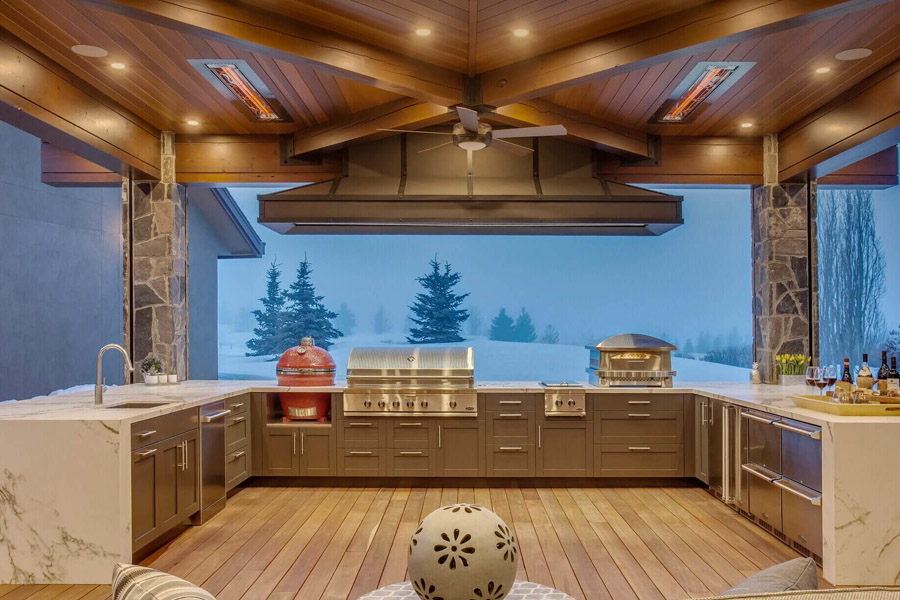
Colorado weather is an ever changing companion. Bright afternoons can turn to rain, and snow arrives early and lingers late. Covered outdoor kitchens are the answer to unpredictability. Pergolas, pavilions, and extended rooflines shade the cook station during midsummer and keep snow load off appliances when winter returns. Durable metal roofing or composite shingles handle hail and resist fade. Skylights eliminate cave-like shadows while keeping coverage. Open beams maintain a visual connection to the sky and trees.
Roofs do more than protect. It expands options. Ceiling fans cool heated pockets, radiant heaters warm shoulders, and task lighting illuminates prep areas without glare. Smart planning may turn a covered kitchen into a three-season refuge that often becomes a fourth, a meeting location when the first frost arrives and the grill still smokes.
Appliances Tuned for Four Seasons
In this climate, outdoor gear is important. Most kitchens have built-in grills, however multi-method cooking is popular. Pizza ovens attract people like campfires and offer more. Burgers and breakfast hash go on flat top griddles. Corn or sauces boil on side burners. Smokers add gradual, low power to a backyard without having to dig out gear.
A cold snap tests refrigeration. Modern outdoor fridges have temperature-swing compressors, better seals, and insulated compartments. Wine coolers and ice makers operate similarly. Life and finish are protected by coverings and integrated panels. Selection of altitude-appropriate appliances is straightforward. Knowing summer heat, shoulder season winds, and winter frost are coming.
Layouts that Entertain in Zones
Today’s outdoor kitchens are social engines. The grill island often serves as the hub, yet it is just one zone in a larger layout. Prep surfaces, refrigeration, and storage cluster to form a true work triangle. A nearby bar wraps guests into the activity without bumping the cook. Dining areas sit at an intuitive distance that invites conversation while keeping smoke downwind. Lounge spaces surround fire bowls or linear fireplaces, adding warmth and a focal spark after sunset.
Good flow matters. Paths avoid bottlenecks and hot doors. Counter heights and clearances welcome everyone. Storage expands beyond a single cabinet, so spices, utensils, trays, and outdoor cookware stay on site rather than migrating back indoors. Thoughtful zoning turns an outdoor kitchen into an all day venue, as easy for weekday grilling as it is for weekend gatherings.
Materials that Brave Sun, Snow, and Swinging Temps
Durability rules Colorado. The selection of high-performance materials has grown, and homeowners value durability. Porcelain slab countertops are trendy. They simulate stone or concrete and resist heat, stains, scratches, and UV fade. Sealed concrete develops a slight patina and remains current. Bases and walls get structure and texture from natural stone veneer. Composite decking mimics wood without the annual sanding and sealing.
For cabinets and frames, masonry and concrete block offer a solid foundation and stable mass. High quality stainless steel stands up to moisture and thermal shock. Powder coat finishes reduce maintenance and temper shine. Everything is selected with freeze thaw cycles in mind. When the first snow melts and refreezes overnight, joints and seams that were built for movement keep their integrity.
Smarter Tech in the Backyard
Smart technology has moved outside and settled in comfortably. LED lighting controls let you tune brightness and temperature for chopping vegetables or sharing dessert. Wi Fi enabled grills and smokers give cooks real time control of heat and time from a phone, freeing them to mingle without losing the thread of a recipe. Weatherproof TVs and Bluetooth speakers bring game day and movie night out to the patio. App controlled fire features change flame height and mood in seconds.
Even climate management benefits. Misters help on dry, high heat days. Timed irrigation keeps surrounding landscaping healthy while conserving water. As equipment gets smarter, it also gets sturdier, with housings and seals built for the elements. The upshot is convenience without compromise, more experience with less fuss.
Sustainability Woven Into the Design
Colorado homeowners are increasingly weaving sustainability into their outdoor kitchens. Reclaimed wood brings story and reduces demand for new lumber. Recycled metals cut waste and often deliver fascinating finishes. Permeable pavers and gravel beds manage runoff, keeping patios comfortable and landscapes healthier after storms. Energy efficient appliances lower draw and save money over time. Solar powered path and task lights cast a gentle glow without a new electrical line.
Landscaping ties it together. Native plants thrive in local soils and weather, demand less water, and invite pollinators. Smart rain capture and drip systems keep beds lush while avoiding overspray. Sustainability here is not a badge or a trend. It is a practical approach that makes an outdoor kitchen resilient and beautiful.
Seating that Invites Conversation
Seating has shifted from scattered furniture to integrated social design. Built in benches in stone or wood define edges and create intimate corners. Bar height counters and stools turn meal prep into an event. Dining tables in weather resistant materials invite long, unrushed meals. Sectional lounges framed by planters or walls feel like an outdoor living room with an honest sky. Outdoor rugs and textiles add softness without sacrificing durability.
The arrangement is deliberate. Guests face each other rather than a blank yard. The cook can chat without stepping away from the grill. Heat sources are nearby yet not intrusive. Everything invites people to stay, talk, and return.
Custom Craft Elements and Personal Touches
Personalization is a major through line. Homeowners are commissioning custom cabinetry scaled to their workflows, not just standard box sizes. Waterfall edge countertops make a bold statement and handle weather with ease when crafted from the right materials. Hand set stonework turns an island into sculpture. Hidden storage tucks away tools and cushions. Insulated drawers keep bread warm or ice cream cold. Herb planters built into rails and counters put flavor at arm’s reach.
The craft is functional, not just decorative. Doors and drawers open smoothly despite dust and cold. Metals are treated to resist corrosion. Lighting integrates with structure rather than sitting on top of it. A well designed outdoor kitchen feels tailored, just like a favorite jacket that fits perfectly and wears better each season.
Seamless Flow Between Indoors and Out
The most compelling trend is the gentle dissolve between inside and outside. Large sliders or folding glass walls make the threshold disappear. Matching colors, hardware finishes, and surface textures unify spaces. Pendants designed for outdoor use echo interior fixtures. Softer seating moves out thanks to better weatherproof fabrics. The result is one continuous living environment with fresh air and mountain views as the defining accent.
This approach changes how a home is used. Weeknight dinners spill onto the patio. Mornings begin with coffee by the grill island. Guests wander between spaces without a break in conversation. It is holistic design, where the backyard works as hard and feels as considered as the kitchen inside.
FAQ
What materials are best for Colorado outdoor kitchen countertops?
Porcelain slabs and sealed concrete are top choices because they resist heat, stains, scratches, and UV fade. High quality natural stone can also perform well if properly sealed and maintained. The key is choosing surfaces that handle freeze thaw cycles without cracking or discoloration.
How can I use my outdoor kitchen year round in Colorado?
Covered structures hide sun, rain, and snow, increasing usage. Cool summers with ceiling fans and shoulder seasons with radiant heaters. Smart zoning places seats near heat sources and brightens kitchen task lights. Numerous homeowners utilize their kitchens year-round due to these layers.
Are outdoor refrigerators reliable in cold climates?
Outdoor rated refrigerators designed for temperature swings perform well at altitude. Look for insulated interiors, strong door seals, and compressors calibrated for outdoor use. Protective panels or covers help prolong life during deep winter, and placement out of direct sun improves performance in summer.
What layout works best for entertaining?
Plan zones. Establish a grill, prep, and storage area. Place a bar or counter where guests can gather without crowding the kitchen. Maintain a reasonable dining distance with unobstructed passageways. A fire-lit lounge close increases evening use and adds character.
How do I make my outdoor kitchen more sustainable?
Try reclaimed wood and recycled metal. Select energy-efficient appliances and solar lighting. Install permeable pavers to prevent runoff. Use drip irrigation and native plants to conserve water and maintain a healthy landscape. Sustainability is practical and beautiful here.