Have you ever scrolled through a celebrity “recovery vlog” while eating takeout and wondered how body contouring suddenly became part of everyday conversation in places like Dallas? Procedures once whispered about behind clinic doors are now discussed on podcasts, TikTok, and even workplace group chats. As cosmetic treatments become more common, patients are asking smarter and more practical questions before committing to surgery or noninvasive procedures.
Why Are More People Considering Body Contouring Now?
Body contouring has become part of a larger cultural shift tied to wellness, remote work, and social media visibility. During the pandemic, people spent years staring at themselves on video calls, often under terrible lighting that could make anyone question their reflection. At the same time, weight-loss medications and fitness trends changed expectations around appearance, creating a new interest in procedures that tighten or reshape the body after major changes.
Patients today are not always chasing dramatic transformations. Many simply want clothes to fit better or loose skin to feel less uncomfortable after weight loss. The irony is that while society keeps promoting “body positivity,” people are also under constant pressure to appear effortlessly polished online. Body contouring sits right in the middle of that contradiction.
What Procedures Do People Usually Ask About First?
The first consultation usually starts with confusion because body contouring is not one single procedure. Some patients need skin removal after losing significant weight, while others want small adjustments around the waist, thighs, or arms.
When it comes to procedures like tummy tuck Dallas consultations have grown alongside the popularity of fitness transformations shared online by influencers and reality TV personalities. Patients often ask whether the procedure removes fat, tightens muscles, or fixes loose skin, and the answer is usually all three in different ways. A good surgeon explains exactly what the surgery can improve because many people arrive expecting results filtered through Instagram editing tools instead of real anatomy.
How Long Does Recovery Really Take?
Recovery is often the biggest concern because social media tends to show “one week later” updates without explaining the uncomfortable middle stage. Most patients can walk within days, but swelling, soreness, and limited movement can last several weeks, depending on the procedure. Returning to work may happen quickly for desk jobs, although exercise and heavy lifting usually require patience.
People also underestimate the emotional side of recovery. Swelling can temporarily hide results, which causes anxiety for patients expecting instant perfection. Surgeons frequently remind patients that body contouring is more like renovating a house than applying a beauty filter. The process takes time, and healing rarely follows the neat timeline shown in influencer content designed to collect likes before reality catches up.
Are Noninvasive Treatments Enough?
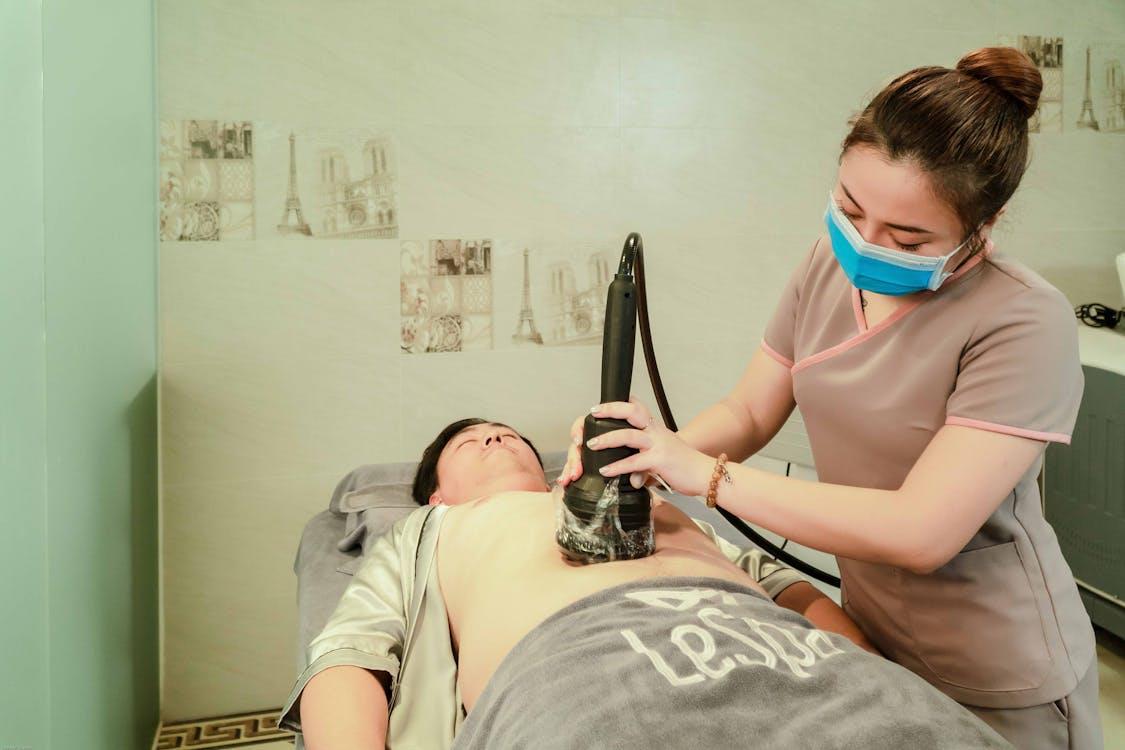
Many people hope they can skip surgery entirely because advertisements for freezing, sculpting, or tightening treatments make results sound almost magical. Noninvasive options can help with small fat pockets or mild skin laxity, especially for people close to their goal weight. They also involve less downtime, which appeals to busy professionals juggling work, parenting, and social obligations.
Still, noninvasive treatments cannot remove large amounts of loose skin or repair stretched abdominal muscles. Patients often arrive frustrated after spending thousands on repeated treatments that produced subtle results at best. Clinics sometimes market these procedures like ordering a coffee upgrade, but the body does not always cooperate with advertising promises. Honest consultations matter because expectations often determine whether patients feel satisfied afterward.
What Risks Should Patients Actually Worry About?
Every procedure carries risks, and experienced surgeons usually spend more time discussing safety than aesthetics. Infection, blood clots, fluid buildup, and delayed healing are real possibilities, especially for smokers or patients with certain medical conditions. The safest outcomes usually come from board-certified surgeons operating in accredited facilities with clear follow-up care instructions.
Another growing issue involves medical tourism promoted heavily on social media. Discount packages abroad can look tempting when inflation already makes everyday life expensive, but revision surgeries from poorly performed procedures are becoming more common in U.S. clinics. Patients should ask about credentials, emergency protocols, and realistic complication rates instead of focusing only on price. Bargain hunting works for airline tickets, not for surgeries involving anesthesia and recovery.
How Much Does Body Contouring Usually Cost?
Cost remains one of the most searched topics because cosmetic procedures are rarely covered by insurance unless they address a documented medical problem. Prices vary widely depending on the procedure, surgeon experience, geographic location, anesthesia fees, and recovery needs. A patient paying for extensive contouring after major weight loss will face very different costs than someone seeking a smaller adjustment.
Financing plans have made procedures more accessible, but they also raise concerns about people making rushed decisions. Cosmetic surgery clinics now advertise payment options, almost like car dealerships promoting monthly leases. That shift reflects how normalized aesthetic procedures have become in modern culture. Patients should think beyond the surgery fee itself because recovery garments, medications, follow-up visits, and time away from work can significantly increase total expenses.
Will Results Look Natural?
The fear of looking “overdone” comes up constantly during consultations because public opinion about cosmetic surgery has changed. Modern patients usually want subtle improvements that look believable in everyday life rather than dramatic transformations that immediately announce surgical work. Surgeons now spend considerable time discussing proportion, balance, and long-term appearance instead of focusing only on dramatic before-and-after photos.
Ironically, the rise of heavily edited social media images has pushed many patients toward more natural goals. People have become increasingly aware that online perfection often involves filters, lighting tricks, and digital retouching. Natural-looking body contouring tends to age better because it works with a person’s existing frame instead of fighting against it. The best results usually make someone appear healthier or more rested rather than surgically altered.
Body contouring is no longer treated like a secret reserved for celebrities hiding behind oversized sunglasses at airports. It has become part of a broader conversation about wellness, aging, confidence, and appearance in a culture that constantly places people in front of cameras. The smartest patients are not the ones chasing perfection. They are the ones asking informed questions, understanding limitations, and making decisions based on long-term health instead of viral trends.