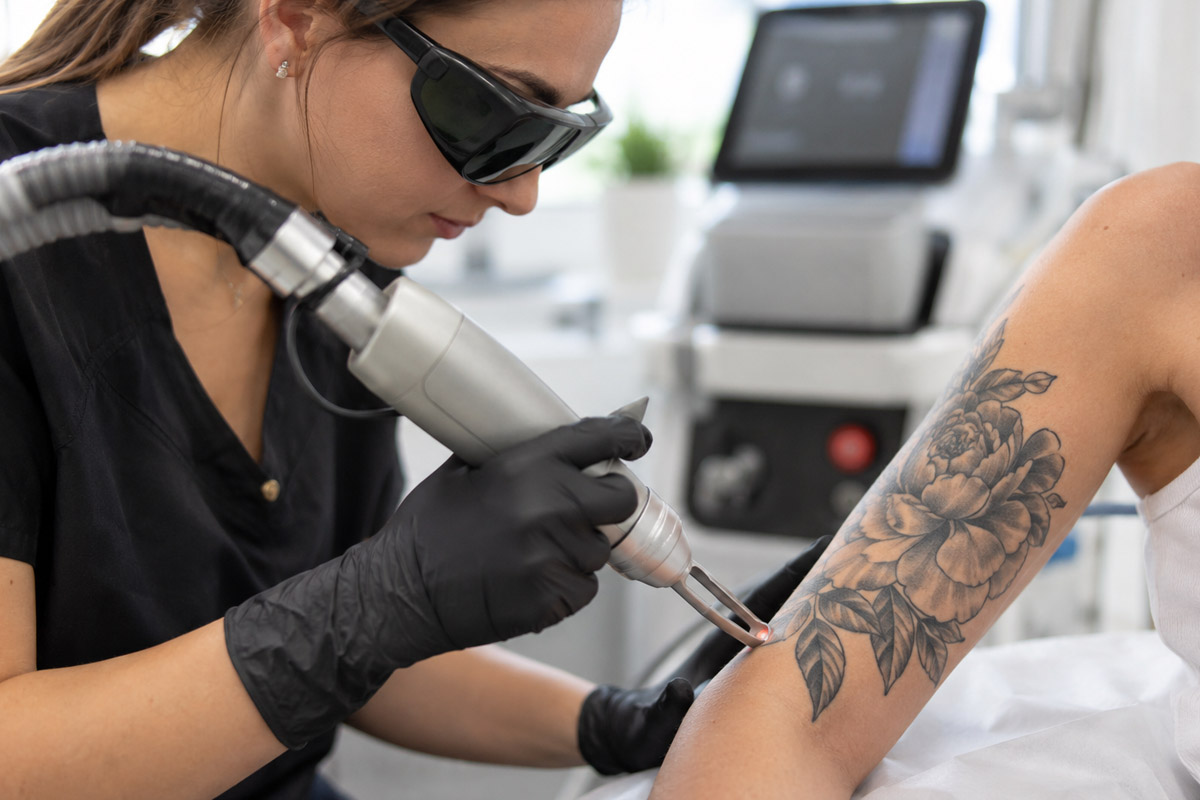
Tattoo removal has become an increasingly sought-after service as more individuals choose to alter or remove previously inked designs. For professionals in the beauty and medical sectors, acquiring specialised skills in this area can enhance their service offering and career opportunities. A comprehensive tattoo removal training program is essential for those aiming to perform safe and effective procedures while understanding the technologies and techniques involved.
Understanding the Need for Tattoo Removal Training
Many clients seek tattoo removal for various reasons, including changes in personal preferences, professional requirements, or the desire to remove poorly executed tattoos. This growing demand emphasises the need for qualified practitioners with both theoretical knowledge and practical skills.
Tattoo removal training programmes provide practitioners with a deep understanding of skin anatomy, laser physics, different tattoo inks, and the variety of removal techniques. This knowledge is crucial for assessing clients’ suitability and providing tailored treatments ensuring optimal results.
Essential Components of Tattoo Removal Training
An effective tattoo removal training programme should cover several key areas:
- Principles of laser technology used in tattoo removal
- Client consultation and assessment procedures
- Health and safety protocols
- Skin types and tattoo ink composition
- Techniques for different tattoo colours and depths
- Post-treatment care and management of side effects
- Legal and ethical considerations in tattoo removal practice
Laser Technology in Tattoo Removal
Laser technology is the cornerstone of modern tattoo removal. The training programmes introduce participants to various laser systems, such as Q-switched and picosecond lasers, which are designed to target tattoo pigments without causing extensive damage to surrounding skin tissue.
Understanding laser wavelength, pulse duration, and energy fluence is essential. Trainees learn how these factors influence treatment effectiveness and safety. Mastery of laser device operation reduces the risk of complications such as scarring or pigmentation changes.
Practical Training and Hands-On Experience
Theoretical knowledge alone is insufficient for successful practice. Comprehensive training programmes include supervised practical sessions where participants perform procedures using laser devices under expert guidance.
Hands-on experience enables trainees to become proficient in handling equipment, adjusting settings for different tattoo colours, and responding to various client skin types. This practical application consolidates learning and builds confidence.
Client Consultation and Assessment
A thorough client consultation constitutes a critical step in the tattoo removal process. Training emphasises how to gather client medical history, assess the tattoo, and set realistic expectations regarding the number of sessions and potential outcomes.
Understanding contraindications, such as pregnancy or skin conditions, ensures client safety. Training also covers informed consent and documentation essential for professional practice.
Health and Safety Considerations
Ensuring the safety of both clients and practitioners is paramount. Educational programmes provide detailed guidance on protective measures, including eye protection, skin cooling techniques, and sterilisation practices to prevent infection.
Participants learn to identify and manage adverse reactions during and after treatment. Awareness of these factors enhances treatment quality and client satisfaction.
Post-Treatment Care and Management
The removal process often requires multiple sessions spaced weeks apart. Training programmes instruct practitioners on advising clients regarding proper wound care, sun protection, and recognising signs of complications.
Educated clients are more likely to adhere to post-treatment guidelines, which significantly influence healing and results.
Legal and Ethical Responsibilities
Practitioners must operate within the legal frameworks regulating tattoo removal services. Formal training includes modules on ethical practice, scope of service, and record-keeping standards.
Understanding these aspects protects the practitioner and ensures that clients receive professional and reliable care.
Benefits of Completing a Comprehensive Training Programme
Completing an accredited tattoo removal training programme equips professionals with the skills required to deliver safe, effective, and client-centred services. Enhanced competence leads to greater client trust and business growth.
Additionally, trained practitioners can differentiate themselves in a competitive market, expanding their portfolio to include advanced aesthetic treatments.
Choosing the Right Training Provider
When selecting a training programme, it is important to consider the provider’s reputation, course content, and opportunities for practical experience. Providers like tattoo removal training specialists offer comprehensive courses designed to cover all necessary theoretical and practical aspects of laser tattoo removal.
Verification of accreditation and post-course support can also influence the overall value of the training.
Conclusion
Tattoo removal is a specialised and rapidly developing field within aesthetic treatments. A comprehensive tattoo removal training programme provides essential knowledge and skills to perform procedures safely and effectively. By investing in quality training, practitioners can enhance their professional credentials, improve client outcomes, and ensure compliance with industry standards.
With increasing demand for tattoo removal services, acquiring these competencies has become indispensable for practitioners wishing to excel in the aesthetic and dermatological markets.