There’s a moment right after sunset when a backyard either comes alive or quietly disappears. Some spaces pull you in without effort. Others feel like they’re waiting for more light, more setup, more intention. This difference comes from knowing what deserves attention once the sky goes dark and what should stay in the background.
An inviting evening setup feels effortless, but it’s actually very deliberate. Light is used almost like a guide, not a spotlight. It leads you toward where to sit, where to pause, where to stay a little longer. You don’t notice the lighting itself as much as you notice how easy it feels to be there. A backyard like that doesn’t try too hard. It just feels right the moment you step into it.
Pool with Subtle Illumination
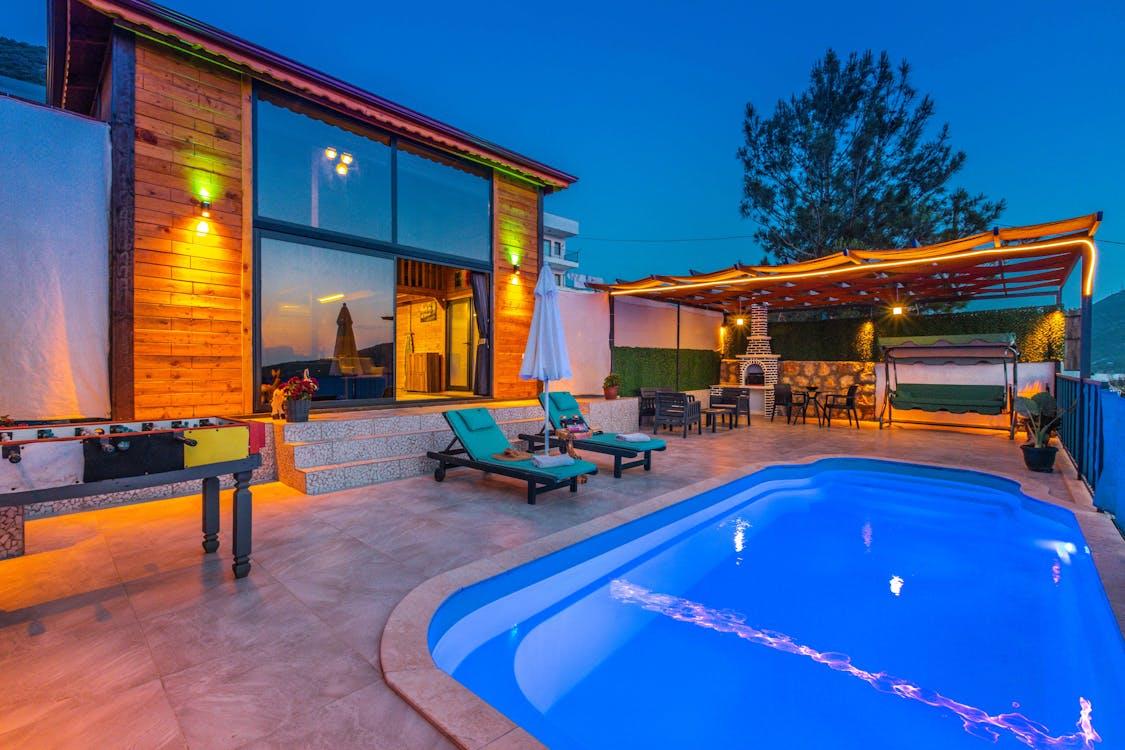
A pool at night can either feel like a glowing centerpiece or an overly lit distraction. The difference lies in how gently it’s lit. A soft, even glow from within the water can turn the pool into something you naturally look toward without feeling overwhelmed by it. It adds presence without turning the space into something loud. Picture a pool that holds a calm, soothing light while everything around it stays slightly dim.
Pool lighting installation becomes crucial at this stage because placement can completely change the experience. Lights set too high or too bright can create glare and sharp reflections that feel uncomfortable. Professionals understand how to position lighting so it spreads evenly and sits well within the space. Hiring experts for this part keeps the pool from feeling harsh or uneven, and instead gives it that quiet, steady glow that makes the whole backyard feel more inviting.
Highlighting Key Areas
A backyard doesn’t need full visibility in every direction. Trying to light everything at once often makes the space feel flat and exposed. Focusing on a few key areas changes how the space is experienced. A dining table with a soft glow, a seating corner with a low light nearby, or an entry point that feels gently lit can guide movement without overwhelming the surroundings.
Think about walking into a yard where the seating area feels like the natural place to go because it’s softly lit, while everything else fades slightly into the background. This sense of direction makes the space feel intentional. It gives each part of the yard a role instead of treating everything the same.
Placing Lights Low
Overhead lighting can quickly change the tone of an outdoor space. It can make things feel exposed and take away that evening atmosphere that people are usually looking for. Light placed closer to the ground works differently. It spreads outward instead of down, creating a softer, more settled feel.
Low lighting along pathways, under benches, or tucked into planters can quietly guide movement without pulling attention upward. A few lights placed near steps or along the edge of a patio can make the space feel safe and easy to move through while still holding onto that calm, evening mood.
Choosing Fixtures That Stay Discreet
What the space looks like during the day still matters. Large or obvious fixtures can interrupt the overall feel of a backyard before the lights are even turned on. Keeping lighting elements subtle helps the space feel clean and well thought out from morning through night.
Fixtures that sit low, tuck behind greenery, or blend into surfaces keep attention on the space itself rather than the equipment. For example, a small fixture hidden within plants can stay completely unnoticed during the day, then softly light up the area at night.
Layered Lighting at Different Heights
A single layer of lighting can make a space feel one-dimensional. Adding light at different heights brings a sense of depth that makes the backyard feel more complete. Ground-level lights, mid-height accents near seating, and a few soft overhead elements can work together without competing with each other.
Imagine a seating area where a low light outlines the base, a small lamp near the table adds a warm glow, and a faint light above provides just enough coverage to tie it all together. None of these elements stand out on their own, but together they create a space that feels comfortable and visually interesting.
Using Pathway Lighting
Pathways don’t need to stand out. They just need to feel easy to follow. Bright lights along a walkway can quickly pull focus away from the rest of the yard, which breaks that calm evening feel. A softer approach works better here. Tiny, low lights placed at intervals can quietly guide movement without announcing themselves.
Picture stepping stones with a faint glow along the edges or subtle lights tucked beside a garden path. You can see where you’re going, but your attention stays on the space around you. It feels natural, almost like the path reveals itself as you walk.
Avoiding Overuse of Color-Changing Lights
Color-changing lights can be fun in certain settings, yet they can quickly shift the mood in a direction that feels busy. A backyard meant for quiet evenings and long conversations benefits from consistency. Warm tones or soft neutral lighting keep the space feeling settled and easy to stay in.
A seating area lit with steady, warm light feels grounded and comfortable. Compare that to a setup where colors keep changing, and the atmosphere starts to feel less focused. The goal is to let the space hold a steady mood that doesn’t distract.
Allowing Natural Elements to Catch and Diffuse Light
Plants can interact with light in a way that softens the entire environment. When light passes through leaves or rests against textured greenery, it spreads in a way that feels organic. It takes the edge off direct lighting and adds a layer of depth without extra fixtures.
Think of a small spotlight placed near a cluster of plants. Instead of a harsh beam, you get scattered light that creates movement and texture. Shadows from leaves shift slightly with the breeze, adding life to the space without effort.
Letting Fire Features Add Warmth
Fire naturally draws attention, so it doesn’t need help from surrounding lights. A fire pit or fire table can act as a central point that brings people together, especially in the evening. Keeping nearby lighting subtle allows the fire to hold that role without competition.
A setup where the fire provides most of the light in a seating area feels grounded and inviting. You can see faces, hands, and movement without needing additional brightness. The flicker adds motion and warmth that no fixture can replicate. Supporting lighting should stay quiet here, just enough to keep the rest of the space usable without pulling focus away.
An inviting backyard after sunset comes from using it carefully. A few well-placed elements, a bit of restraint, and attention to how each area feels can turn an ordinary space into one that naturally pulls people in and makes them want to stay.