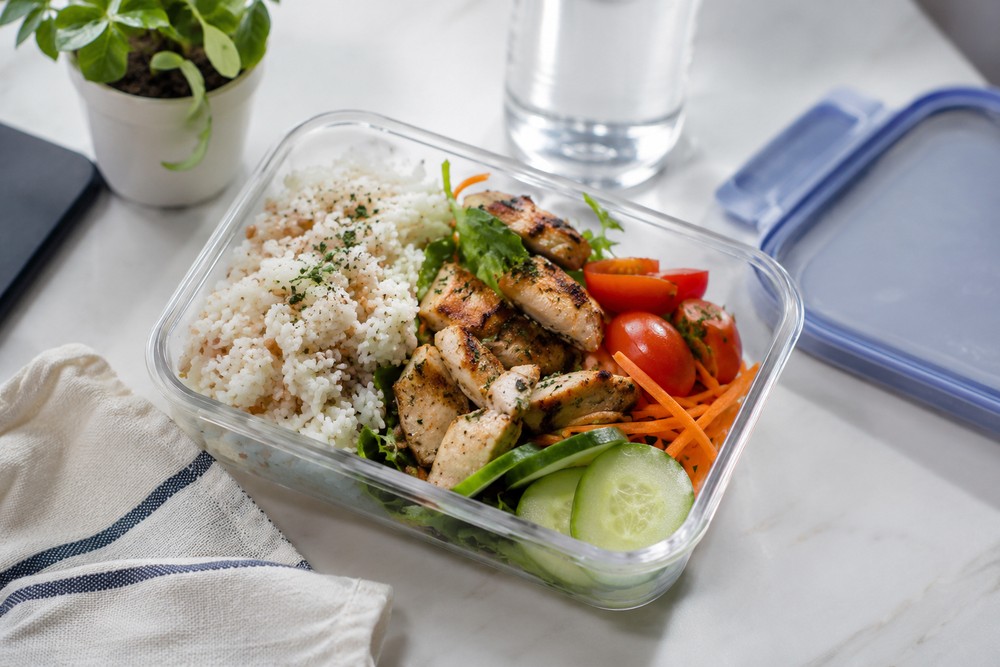
Lunch costs add up quickly. Buying lunch out five days a week can consume a meaningful share of a paycheck, especially as restaurant prices rise. Yet packing lunch every day is not always realistic. With a few strategies, workers can eat well at lunch without overspending, balancing restaurant meals with home-prepared options.
Know your budget
Start by deciding how much you can spend on lunch each week. Tracking lunch spending for a couple of weeks often reveals where money goes. With a clear budget, it is easier to make intentional choices rather than impulse purchases.
Mix packed and purchased lunches
Packing lunch two or three days a week and buying lunch the other days balances convenience and cost. Leftovers from dinner make easy packed lunches.
Look for lunch specials
Many restaurants offer lunch specials that cost less than regular menu prices. Combos that include an entree, side, and drink often provide good value. Diners and family restaurants frequently have daily specials.
Choose value over cheap
A slightly more expensive meal that keeps you full until dinner may be better value than a cheap snack that leaves you hungry an hour later. Meals with protein, vegetables, and whole grains provide lasting energy.
Drink water
Drinks add significant cost. Choosing water instead of soda, juice, or specialty coffee can save several dollars per meal. Bringing a reusable water bottle helps.
Split meals or save leftovers
Restaurant portions are often large. Saving half of a meal for the next day’s lunch effectively gives you two meals for the price of one.
Breakfast for lunch
Breakfast items are often among the most affordable on menus. Eggs, potatoes, and toast can make a filling, inexpensive lunch. Breakfast burritos are especially budget-friendly and portable.
Avoid delivery fees
Delivery apps add service fees, delivery fees, and tips, and menu prices on apps are sometimes higher. Picking up food yourself or ordering directly from the restaurant saves money.
Group lunches
Splitting large platters or family-style dishes with coworkers can lower costs. Group orders may also qualify for discounts.
Use loyalty programs
Restaurants you visit often may offer loyalty programs with free meals or discounts. Sign up for programs at places you frequent.
Healthy budget foods
Beans, rice, eggs, oats, seasonal vegetables, and fruit are inexpensive and nutritious. Meals built around these foods, whether at home or at restaurants, are budget-friendly and healthy.
Plan ahead
Planning lunches for the week prevents last-minute expensive choices. Preparing ingredients on weekends makes packing lunches easier.
Finding affordable favorites
Workers in Santa Fe Springs and nearby cities often recommend affordable local spots among the best restaurants for lunch, citing generous portions, lunch specials, and fair prices. Having a few reliable, budget-friendly spots near work makes lunch planning easier.
Coffee costs
Daily specialty coffee drinks can rival the cost of lunch itself. Brewing coffee at home or choosing drip coffee with free refills at a diner frees up money for a better meal. Small changes to the morning coffee habit often have a bigger budget impact than changes to lunch.
Batch cooking basics
Cooking one large batch of a simple dish on the weekend, such as chili, rice and beans, roasted chicken, or pasta salad, can cover several lunches. Portioning into containers right away makes grabbing lunch in the morning effortless. Rotating two or three batch recipes keeps meals from getting repetitive.
Watching for subscription creep
Meal subscriptions, delivery memberships, and coffee shop prepaid cards can quietly increase lunch spending. Reviewing these charges every few months helps you keep only the ones you actually use.
Snacks that prevent overspending
Hunger leads to impulse purchases. Keeping a few inexpensive snacks at work, like nuts, fruit, or granola bars, prevents a mid-afternoon vending machine run or an extra coffee shop stop. Buying snacks in bulk at a grocery store is far cheaper than buying single servings throughout the week.
Bring breakfast too
Eating breakfast at home reduces the temptation to buy an oversized lunch to make up for a skipped morning meal.
Sharing rides to lunch
Carpooling with coworkers to a nearby lunch spot saves gas and parking, and it turns lunch into social time. Rotating who drives keeps it fair.
Check receipts
Review receipts for add-on charges and fees you did not expect.
Enjoying lunch without guilt
Budgeting for lunch is about balance. Enjoying a meal out with coworkers is part of work life. With planning and smart choices, you can eat well, save money, and still enjoy lunch breaks.