Have you ever opened your energy bill and wondered if your house is quietly working against you? Many homeowners feel that frustration, especially as utility costs climb and climate concerns stay in the headlines. From rising electricity prices to new federal incentives, energy efficiency is no longer just a trend. It is becoming a practical, everyday decision that shapes how people live, spend, and even think about their homes.
The Big Picture Behind Energy Efficiency
Energy efficiency has moved from a niche idea to a national priority, driven by higher energy costs and policies like tax credits for home upgrades. In recent years, more homeowners have realized that small improvements can lead to long-term savings. This shift reflects a broader trend where households are trying to balance comfort with responsibility.
At the same time, extreme weather events and power grid stress have made efficiency feel urgent rather than optional. People are not just upgrading homes to save money. They are doing it to stay comfortable during heat waves and cold snaps, which are becoming more common across the U.S.
Smarter Exteriors That Do More Than Look Good
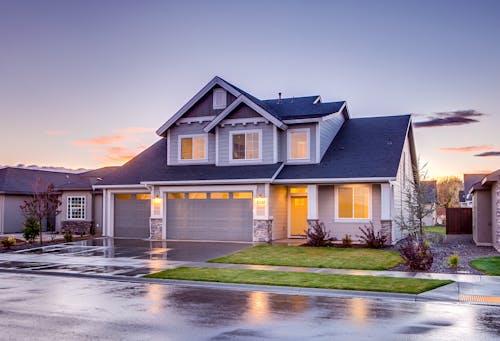
Many people think of curb appeal first, but exterior upgrades can quietly transform energy use. A well-insulated garage door, for example, can prevent heat from escaping in winter and keep cool air inside during summer. During a garage door installation, choosing insulated panels and proper sealing can reduce drafts that affect nearby living spaces.
Windows and siding also play a huge role. Double- or triple-pane windows cut down on heat transfer, while modern siding materials improve insulation without adding bulk. These upgrades may not be flashy, but they reduce the workload on heating and cooling systems, which is where most energy costs come from.
Insulation That Actually Works
Insulation is often hidden behind walls and ceilings, which makes it easy to ignore. Yet it is one of the most effective ways to improve energy efficiency. Older homes, especially those built before the 1980s, often have insulation that no longer performs well.
Adding attic insulation is usually the easiest place to start. It helps keep warm air inside during winter and blocks heat in summer. Wall insulation and sealing gaps around doors and windows also make a noticeable difference. These improvements are not expensive compared to their payoff, and they work quietly in the background every day.
The Rise of Energy-Efficient Appliances
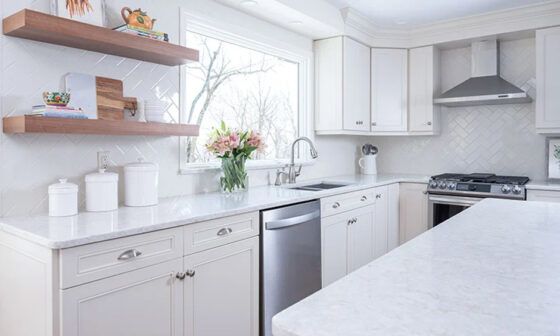
Appliances have become smarter and more efficient over the years, often using half the energy of older models. Refrigerators, washers, and dishwashers with ENERGY STAR ratings are now standard choices for many homeowners.
This shift is partly driven by rising awareness and partly by policy. Federal and state programs continue to encourage appliance upgrades through incentives. While replacing appliances may seem like a big step, the long-term savings often outweigh the upfront cost, especially when combined with lower water usage.
Lighting That Cuts Costs Without Sacrifice
Lighting is one of the easiest upgrades to make, yet it still gets overlooked. Switching to LED bulbs can reduce energy use by up to 75 percent compared to traditional incandescent bulbs. These bulbs also last much longer, which means fewer replacements and less hassle.
Beyond bulbs, adding motion sensors and dimmers can further reduce waste. Lights that turn off automatically when no one is in the room prevent unnecessary energy use. These small changes may not feel dramatic, but they add up quickly over time.
Solar Power and the New Energy Mindset
Solar panels are becoming more common, especially as installation costs have dropped and incentives have increased. Homeowners are no longer just consumers of energy. They are becoming producers, which changes the entire relationship with electricity.
In some areas, excess energy can be sold back to the grid, creating an additional financial benefit. While solar is not right for every home, it represents a broader shift toward independence and resilience. As power outages and extreme weather become more frequent, having a reliable energy source is increasingly valuable.
Water Efficiency and Hidden Energy Savings
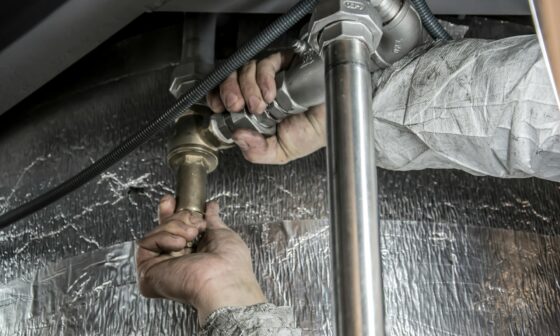
Water use and energy use are closely linked, even if it is not obvious at first. Heating water takes a significant amount of energy, so reducing water use can lower both water and energy bills.
Low-flow fixtures, efficient water heaters, and smart irrigation systems all contribute to savings. Tankless water heaters, for example, heat water only when needed, which avoids the constant energy drain of traditional systems. These upgrades are practical and often pay for themselves over time.
Energy-efficient upgrades are not just about technology or trends. They reflect a changing mindset where homeowners are more aware of how their choices affect both their finances and the environment. In a time when energy costs are unpredictable and climate concerns are growing, making smarter choices at home feels less like an option and more like common sense.