Fiji At A Glance For Divers
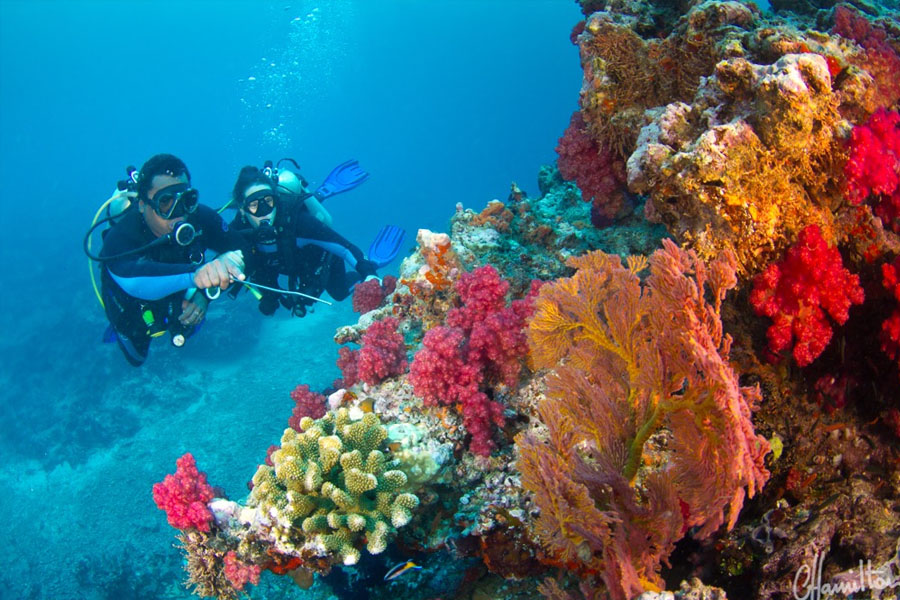
Fiji wears the crown of the Soft Coral Capital for a reason. Nutrient-rich currents sweep through arching reefs, igniting gardens of soft corals in hues that resemble lanterns glowing beneath the sea. Divers find warm waters across the calendar, typically between 24 to 30 degrees Celsius, with visibility that often stretches beyond 30 meters. The marine life is a tapestry of schooling fish, luminescent invertebrates, sea turtles, rays, and pelagic visitors on blue-water patrol. Above the surface, you are welcomed into a culture of ceremony, song, and generosity, where island time slows the heartbeat and shorelines feel like private stages for sunset.
What A Dedicated Dive Resort Delivers
A good dive resort in Fiji is more than a bed near the water. It is a hub where skilled staff set the tone for safe and exhilarating exploration. Most run professional operations with certified instructors and seasoned local guides. Expect comprehensive briefings, emergency procedures that are drilled and clear, and boats maintained by crews who understand both ocean temperament and diver comfort. Training is available from entry-level courses to advanced specialties, so newcomers and veterans alike can sharpen skills.
Dive days are typically flexible. Many resorts offer two-tank morning boat dives, with options for shore dives, afternoon excursions, and night dives that turn the reef into a theater of nocturnal motion. Specialty dives include shark experiences and underwater photography coaching. Gear is often well maintained, but you can bring your own if you prefer familiar fins and masks. Schedules are adapted to tides, currents, and experience levels, so the right dive is matched to the right day.
Comfort Between Dives
Fijian-style bures, built from timber and thatch, settle into gardens or fringe the beach, creating a sense of privacy with the soft chorus of waves. These spaces balance rustic charm with modern touches, offering comfortable beds, private verandas, and either air conditioning or natural ventilation designed to catch the evening breeze. Mealtimes showcase local produce. Expect fresh fish, tropical fruit, and root vegetables, served in settings that lean into ocean views and friendly conversation.
Resorts fill the off-gas hours with simple pleasures. Kayaks and paddleboards wait by the shore. Nearby trails lead to waterfalls and village visits. Spa treatments unwind tired shoulders after long surface intervals. There is room for adventure without a tank, and room for quiet when you want only the hum of palm leaves.
Where To Dive In Fiji
Rainbow Reef at Taveuni is famous for its soft coral and impressive topography. When conditions are right, the Great White Wall glows like live coral snow, giving photographers shivers. Currents feed the reef in the Somosomo Strait, causing corals to bloom and fish to form dense schools. Divers who like drift dynamics will appreciate the conditions.
Beqa Lagoon is widely celebrated for shark dives and accessible coral sites. It features an extensive barrier reef system, varied terrain, and enough dive spots to keep a logbook interesting for weeks. For travelers who want big-animal drama paired with tranquil reef ambles, Beqa holds a rare balance.
Spotlight: Beqa Lagoon Resort
Set on Beqa Island and reached by boat, Beqa Lagoon Resort places you close to one of the largest reef systems in Fiji. The resort feels secluded and personal. Traditional bures sit among tropical greenery or line the shore, and each offers privacy with garden or ocean views. Interiors are simple and welcoming, with natural textures, comfortable seating, and space for gear. Air conditioning is available in select bures, and others are designed to catch the trade winds.
Dining takes center stage with menus built around fresh local ingredients. An oceanfront restaurant and bar make sunset meals feel cinematic. Between dives, guests can dip into the pool, paddle the lagoon, or schedule a massage. Cultural evenings introduce dances, stories, and traditions that root the place in community, turning the resort into more than a staging area for boats.
Underwater Experiences In Beqa Lagoon
Beqa’s shark dives are legendary. Under careful guidance and strict safety protocols, divers may encounter bull sharks, lemon sharks, grey reef sharks, and blacktip and whitetip reef sharks. Tiger sharks appear at times, adding a powerful jolt to the experience. These dives are organized for divers with solid comfort underwater, and the operations that run them prioritize clear rules, situational awareness, and conservation-minded practices.
Outside the adrenaline of apex encounters, Beqa unfolds as a painter’s palette of coral. There are walls that drift into sapphire, swim-throughs that twist like labyrinths, coral bommies alive with anthias, and gentle slopes ideal for exploration at relaxed depths. Macro life brings surprises, such as delicate nudibranchs, while turtles and rays grace the scene with slow, graceful arcs. Wreck sites provide contrast and structure. These artificial reefs draw life in dense shoals and create striking backdrops for wide-angle photography.
Who Will Love Beqa
Beginner divers appreciate Beqa for training options and shallow sites with calm conditions. Many reef locations sit within comfort zones for first certifications and early dives. Experienced divers thrill at shark encounters, deep sites, and current-swept terrain that demands good buoyancy and planning. Underwater photographers find predictable subjects and vibrant settings that suit both macro and wide-angle work. Couples and honeymooners lean into the privacy of bures, the quiet of gardens, and the romance of empty beaches and mirrored lagoons.
How To Choose The Right Fiji Dive Resort
Start with your skill level. Some resorts cater primarily to beginners, with gentle reefs and patient instruction. Others lean toward advanced divers and big-animal encounters. Packages can add value when they include multiple dives, meals, and gear rentals, reducing logistics and cost. The quality of guides matters. Local experts know how tides shift coral color and where small wonders hide. Ask about emergency readiness and boat maintenance, and confirm ratios for divers to guides.
Seasonal patterns shape the experience. Fiji is diveable year-round. Visibility can be excellent during cooler months, while warmer periods may bring plankton blooms that feed the reef and attract more life. If you have specific interests, such as shark dives or soft coral photography, coordinate timing with resort staff who watch conditions regularly.
Seasons, Conditions, and Practical Notes
Water temperatures across Fiji tend to sit comfortably for three-millimeter suits, thicker if you run cold or plan long bottom times. Visibility varies by location and season, often stretching beyond 30 meters in lagoons and outer reefs with settled weather. Currents are part of the magic. Incoming tides can turn soft corals into fireworks, so dive planning often targets these windows. Cooler months, typically from May to October, are popular for clarity. Wet season patterns bring lush landscapes and can be wonderful for photography, with reefs pulsing with life fed by plankton.
FAQ
Is Fiji suitable for first-time divers?
Yes. Many resorts have calm, shallow reef sites ideal for training and early certification dives. Patient instructors and clear briefing routines help beginners gain confidence quickly.
What certifications can I complete at a Fiji dive resort?
Most resorts offer entry-level certifications, advanced open water courses, and specialties such as nitrox, night diving, and underwater photography. Contact your chosen resort to confirm availability and scheduling.
What is the best time of year for visibility?
Visibility is often strongest during the cooler months from May to October. That said, great conditions happen year-round, and incoming tides frequently boost coral colors and clarity.
Are shark dives safe?
Shark dives at Beqa Lagoon are conducted by experienced teams with strict protocols. Divers must follow briefings closely and maintain situational awareness. The focus is on controlled encounters that prioritize safety and respect for marine life.
Do I need to bring my own gear?
Resorts typically stock well-maintained rental gear. Many divers bring personal masks, computers, and cameras for comfort and familiarity. If you plan specialty photography, bring housings and strobes suited to your system.
How do I reach Beqa Lagoon Resort?
Travelers typically fly into Nadi or Suva, then transfer by road to the departure point for Beqa Island. The final leg is by boat, which adds to the sense of arrival and sets the tone for a remote island escape.
Are non-divers happy at a dive resort?
Yes. Snorkeling, paddleboarding, kayaking, spa treatments, village visits, and waterfall hikes provide full days without tanks. Oceanfront dining and quiet beaches make it easy to relax while divers are out on the boats.