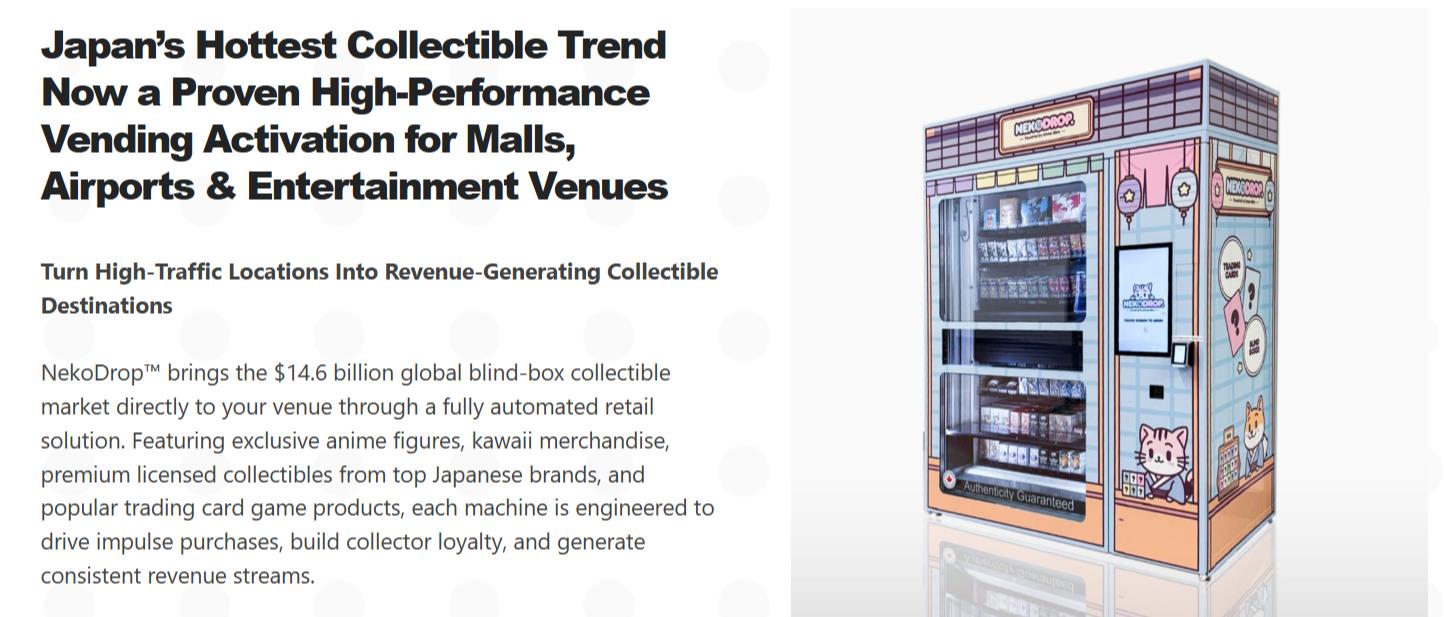
The landscape of modern retail is undergoing a rhythmic transformation, shifting away from the traditional department store model toward experiential, bite-sized interactions. At the heart of this shift is a growing obsession with “kidult” culture, where nostalgia-driven collectibles meet the thrill of the hunt. Among the most innovative leaders in this space are NekoDrop vending machines, which have successfully captured the essence of Japanese gashapon culture and integrated it into the Western shopping experience. These automated kiosks offer a curated selection of high-quality blind boxes, providing a seamless and joyful way for collectors to access their favorite characters without the friction of traditional storefronts. By placing premium aesthetics and rare licenses directly in the path of everyday foot traffic, these machines have become more than just a convenience; they are a destination for enthusiasts seeking the next big find in their collection.
The phenomenon of the “blind box” is not a new concept, but its current dominance in the global market is unprecedented. Originating in Japan and further popularized by Chinese retail giants, the mechanic relies on the psychological allure of the unknown. A customer purchases a sealed box from a specific series, knowing which characters are possible but not which specific one they will receive. This element of surprise, combined with the chance of finding a “chaser” or rare variant, transforms a simple transaction into a high-stakes moment of entertainment. For pop-culture enthusiasts, the thrill is addictive. Brands like Sanrio, Pokémon, and Popmart have mastered this art, creating intricate figures that serve as both home decor and status symbols within the community.
The success of these brands is rooted in the power of Licensed Intellectual Property (IP). In a world saturated with digital content, physical manifestations of beloved characters provide a tangible connection to the media we consume. Sanrio, with its timeless roster including Hello Kitty and My Melody, has seen a massive resurgence as Gen Z adopts the “Kawaii” aesthetic as a form of self-expression. Similarly, Pokémon remains a juggernaut by constantly refreshing its lineup while leaning on decades of brand loyalty. However, the rise of “art toys” has introduced a new layer to this trend. Characters like Labubu, designed by Kasing Lung, or the cherubic Sonny Angel figures, represent a move toward designer-led collectibles. These are not just toys; they are limited-edition pieces of art that command high resale values and drive massive engagement on social platforms like TikTok and Instagram.
This is where the intersection of branding and automated retail becomes vital. Historically, high-end collectibles were restricted to specialty boutiques or online marketplaces. NekoDrop has bridged this gap by elevating the vending machine from a source of snacks to a source of luxury. The branding of these machines reflects the premium nature of the products inside. They are often sleek, brightly lit, and strategically placed in high-traffic shopping centers where the target demographic gathers. By utilizing the “automated retail” model, the brand minimizes overhead while maximizing visibility. For a trend-conscious consumer, stumbling upon a machine stocked with the latest Labubu series or a rare Pokémon drop feels like discovering a hidden treasure chest.
Retail trend analysts point to “efficiency-based shopping” as a major driver for this growth. Today’s consumer values their time and prefers frictionless experiences. A vending machine eliminates the need for standing in line or interacting with staff, allowing the product to speak for itself. Furthermore, the small footprint of these machines allows them to be placed in “dead zones” of malls, turning underutilized space into a high-revenue hub. This agility is a key reason why the blind-box phenomenon has spread so quickly from Tokyo’s Akihabara district to suburban malls across North America and Europe. The machine acts as a 24/7 brand ambassador, consistently presenting the latest trends to a captive audience.
Social media plays an undeniable role in the sustainability of this trend. The “unboxing” video has become a cornerstone of digital culture, and blind boxes are the perfect subject for this medium. The genuine reaction of a collector discovering a rare “secret” figure provides high-engagement content that serves as free marketing for both the IP holders and the retail platform. When a customer uses a NekoDrop terminal, the experience is often filmed and shared instantly. This creates a cycle of FOMO (Fear Of Missing Out) among followers, who then seek out the nearest machine to try their luck. The digital and physical worlds are thus inextricably linked, with the vending machine serving as the physical touchpoint for a global digital community.
The psychological aspect of collecting also cannot be ignored. In an era of economic uncertainty, small, affordable luxuries known as “the lipstick effect” become more prevalent. A fifty-dollar designer toy might be out of reach, but a fifteen-dollar blind box offers a dopamine hit that is accessible. These figures allow individuals to curate their personal spaces, with office desks and bookshelves becoming galleries for their “pulls.” The community aspect further strengthens this, as fans often meet near machines to trade duplicates, turning a solitary vending experience into a social event.
Looking toward the future, the expansion of this retail model seems inevitable. We are seeing a shift where brands are no longer waiting for customers to come to them; they are meeting customers where they already are. The integration of technology, such as touchscreens and digital payment systems, makes these machines even more enticing to a tech-savvy generation. As long as the demand for licensed IP remains strong, the infrastructure to deliver these products will continue to evolve. NekoDrop’s success proves that the combination of “cute” culture, the thrill of the gamble, and the convenience of automation is a winning formula in the modern retail landscape.
The blind-box phenomenon is a testament to the enduring power of character-driven storytelling. Whether it is the nostalgic comfort of a Pokémon figure or the avant-garde appeal of a Popmart artist series, these objects carry emotional weight. They represent a slice of pop culture that can be owned and displayed. By democratizing access to these items through sophisticated vending solutions, the barrier to entry for new collectors is lowered, ensuring that the community continues to grow.
In conclusion, the rise of NekoDrop and the broader blind-box trend represents a perfect storm of marketing, psychology, and retail innovation. By leveraging the immense popularity of global brands and placing them within a convenient, high-tech delivery system, the company has tapped into a deep-seated human desire for surprise and collection. As we move further into a decade defined by experiential commerce, the presence of these colorful, character-filled kiosks will likely become a standard fixture in the retail environment. From the neon streets of Tokyo to the local mall, the message is clear: the future of retail is small, boxed, and full of surprises.