Hiring the right house insulation contractor can make the difference between an energy-efficient, comfortable house and years of increased utility bills and uneven indoor temperatures.
Insulation is not necessarily about staying warm in winter or cool in summer —it has a direct impact on energy consumption, moisture control, and the quality of indoor air. However, numerous homeowners underestimate how much ineffective and poor insulation drains them every year.
As per the recent data, homeowners can reduce heating and cooling expenses by up to 15% by insulating and sealing their homes. With savings like that on the line, selecting the best contractor becomes an important matter.
The dilemma is knowing who to trust, what questions to ask, and how to shun shortcuts that would cause future troubles. This guide breaks down everything you need to know to confidently hire a house insulation contractor to protect your investment, enhance comfort, and achieve a lasting result.
1. Identify Your Home’s Insulation Needs
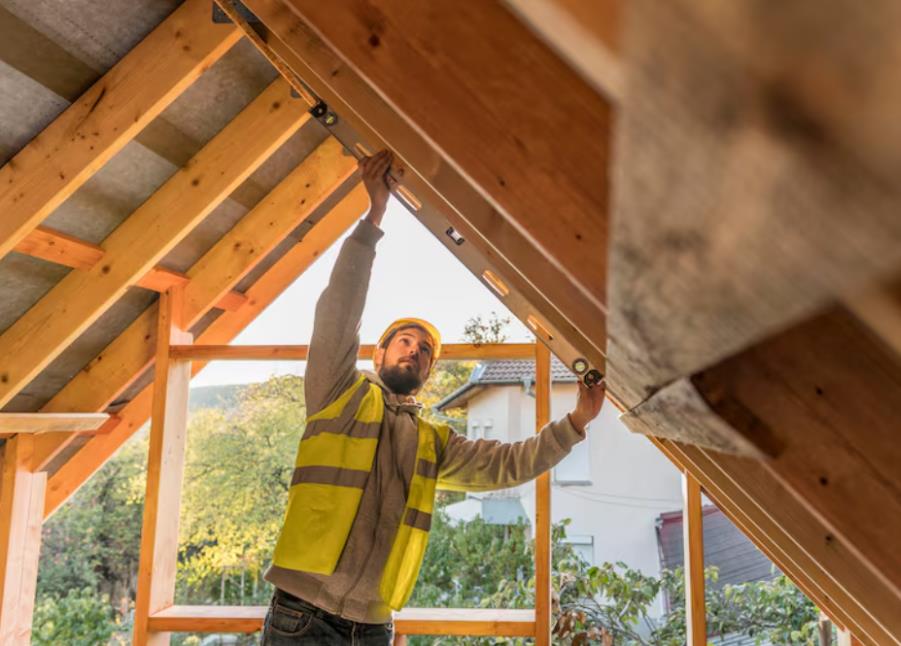
It is essential to know what your home actually needs before contacting the house insulation contractors. Insulation issues are not necessarily evident — drafty rooms, uneven temperatures, an increase in energy bills, as well as excess moisture may all indicate signal gaps or aging insulation.
The first thing to look at is your home’s age, its structure, and local climate, as these factors determine where the insulation improvements are most needed. Attics, exterior walls, crawl spaces, and basements are common problem areas.
One can also review past utility bills in order to identify patterns of inefficient cooling or heat loss. Once you have a good grasp of your insulation issues, negotiations with contractors become more productive.
2. Research Local Insulation Contractors
Once you understand your insulation needs, the next step is researching local house insulation contractors you can trust. Start by looking for contractors who specialize in residential insulation and have a strong presence in your area.
Local professionals are more familiar with regional climate conditions, building codes, and common insulation challenges homes face nearby. Check online reviews, ratings, and testimonials to see how consistently they deliver on quality and timelines.
Researching and comparing contractors beforehand will enable you to narrow your choices to professionals who are reliable, experienced, and equipped to handle your specific insulation project with confidence.
3. Verify Licenses and Insurance
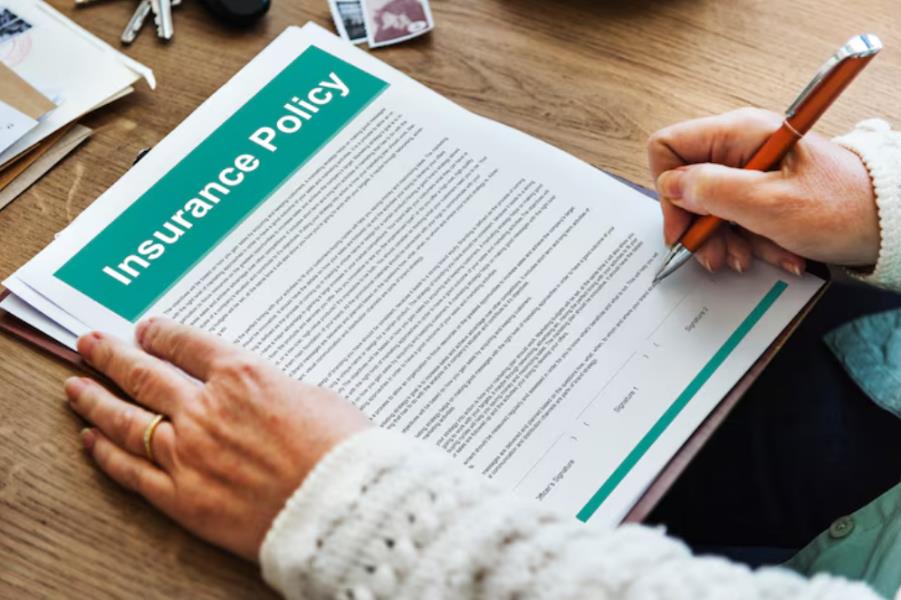
Another measure that should be undertaken before recruiting any insulation expert is checking licenses and insurance. Reputable insulation contractors must have appropriate licenses to work in your state or local area, which ensures they meet necessary industry and safety standards. Insurance is also significant.
Contractors must have both liability insurance and workers’ compensation insurance coverage to cover them against liability in case of property damage or on-site injuries. Omitting this can save time in the short term, but can cost you a lot of money and legal troubles in the future.
Verifying credentials gives you assurance that you are dealing with a responsible, accountable professional and offers peace of mind that your home and investment are safe throughout the insulation project.
4. Check Experience with Residential Projects
When it comes to insulation, experience counts, and this is more so in residential settings where each house is constructed differently. When assessing contractors, inquire about their experience with residential projects similar to yours.
Houses are diverse in terms of age, structure, and materials, and a contractor familiar with these variations is in a better position to advise the most appropriate insulation solutions. A professional residential contractor will know how to maneuver around the already existing structures, deal with ventilation issues, and prevent typical installation pitfalls.
They are also able to foresee challenges before they turn into costly issues. Reviewing past projects, photographs, or examples of cases helps to prove their experience. By selecting a contractor who has a history of dealing with residential projects, you are more likely to have an efficient installation, higher performance, and long-lasting results for your home.
5. Review Customer Feedback and References

Customer feedback offers valuable insight into how insulation contractors perform beyond their sales pitch. Take time to read online reviews on trusted platforms and look for patterns related to workmanship, communication, and reliability.
Regular positive feedback is a strong indicator of quality service. In addition, ask contractors for references from recent residential projects. Don’t just focus on perfect reviews—pay attention to how concerns were addressed.
Contractors who respond professionally and resolve problems effectively are often more dependable. Reviewing feedback and references helps you make a confident decision based on real experiences, not just promises.
6. Request an In-Home Inspection
An in-home inspection is an essential step before committing to any insulation work. Reputable contractors will want to assess your home in person rather than relying solely on measurements or assumptions.
During the inspection, they can identify problem areas, evaluate existing insulation, and check for issues like air leaks or moisture buildup. This allows them to recommend solutions tailored to your home’s structure and climate.
Contractors who take the time to inspect your home carefully are more likely to provide accurate estimates and effective insulation solutions, helping you avoid surprises during installation.
Conclusion
Hiring the right house insulation contractor is a decision that affects your home’s comfort, energy efficiency, and long-term costs. By taking time to understand your insulation needs, researching local contractors, verifying credentials, and evaluating experience and feedback, you set yourself up for a successful project.
Rather than rushing the process, a thoughtful approach helps you avoid common pitfalls and unnecessary expenses. With the right contractor, insulation becomes a lasting improvement that enhances comfort, reduces energy bills, and protects your investment for years to come.