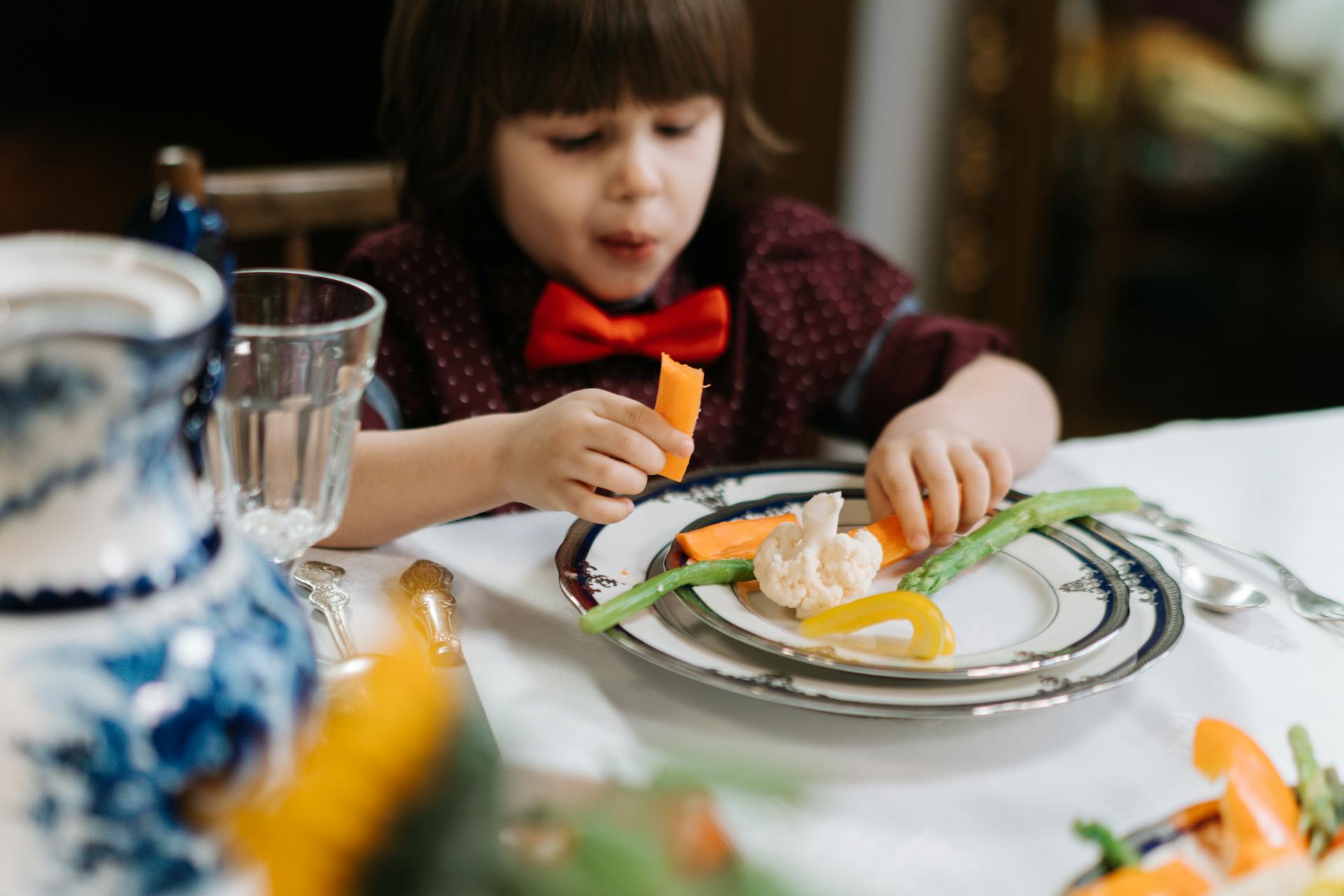
Getting your family excited about healthy food can feel like an uphill task. You plan balanced meals, add more greens, cut back on sugar, and still hear complaints at the table. Many parents want their kids and partners to eat better, but they don’t want every dinner to turn into a debate.
The truth is simple. People enjoy food that tastes good, looks inviting, and feels familiar. Healthy eating does not have to mean strict rules or boring plates. It can mean colorful dishes, warm family moments, and recipes everyone feels proud to try.
In this article, we’ll look at practical ways to make that shift happen, from small kitchen habits to fun recipe ideas that bring everyone to the table with a smile.
Start With Small, Simple Changes
Healthy eating works best when it feels natural, not forced. If you try to change everything at once, your family may push back right away. Instead, start with small adjustments that don’t feel like a major shift. You might add an extra vegetable to dinner or swap one ingredient for a healthier option. These little steps help everyone get used to new flavors without feeling overwhelmed.
When you keep the changes simple, your family has time to adapt. Over time, those small choices start to feel normal. A meal that once seemed “too healthy” becomes just another dinner everyone enjoys.
Try Unique but Healthy Recipes
One of the easiest ways to get your family interested in healthy food is to make meals feel exciting. Repeating the same plain dishes can make nutritious eating seem boring. Trying something new keeps curiosity alive and helps everyone see that healthy meals can still feel comforting and satisfying.
A great example is a Swiss chard gratin. You begin by washing and chopping fresh Swiss chard. Cook chopped onions in olive oil until they soften, then add garlic for extra flavor. Stir in the chard and let it cook until it wilts down.
Next, place the mixture into a baking dish. Sprinkle a bit of flour and stir so it coats the greens. Pour in milk or a light cream and let it warm until it thickens slightly. Add salt, pepper, and a small pinch of nutmeg for depth. Finish it with grated cheese and breadcrumbs on top, then bake until the surface turns golden and crisp.
This dish feels rich and cozy, but it also introduces leafy greens in a way that tastes indulgent.
Involve Everyone in Meal Planning
People enjoy meals more when they feel included in the process. If you choose every dish without asking for input, your family may treat healthy food like something being imposed on them. Instead, bring them into the planning stage.
Ask each person what healthy meal they would like to try that week. Even young kids can pick a fruit, a smoothie idea, or a new vegetable side. When family members help choose the menu, they feel more open to tasting what shows up on the table.
Meal planning also creates a sense of teamwork. It turns healthy eating into something shared instead of something one person controls.
Make the Kitchen a Shared Space
Cooking together can completely change how your family feels about food. When kids help prepare meals, they become curious about ingredients instead of suspicious of them. Even simple tasks like stirring, rinsing vegetables, or sprinkling cheese can make them feel involved.
Teenagers can learn to prepare basic healthy meals that give them confidence and independence. When everyone spends time in the kitchen, healthy eating becomes part of family life rather than a rule.
Focus on Flavor First
Many people think healthy food tastes bland, but that only happens when meals lack seasoning and creativity. Flavor matters more than any nutrition label when you want your family to enjoy what they eat.
Use garlic, herbs, spices, lemon juice, and sauces made from wholesome ingredients to bring meals to life. Roasting vegetables can make them naturally sweeter and more appealing. Adding crunch with nuts or breadcrumbs, or creaminess with yogurt-based sauces, can also make healthy dishes feel more satisfying.
When healthy meals taste genuinely good, your family stops thinking of them as “health food.”
Present Food in an Appealing Way
The way food looks can strongly affect whether your family wants to try it. Even the healthiest meal can feel uninviting if it appears dull or rushed. When you take a little extra time to make plates colorful and appealing, people become more curious and open-minded.
Try serving a mix of bright vegetables, fresh herbs, and different textures on the same plate. A bowl filled with greens, roasted sweet potatoes, and a sprinkle of cheese looks far more exciting than plain steamed vegetables. You can also serve meals family-style, letting everyone build their own plate. That approach gives family members a sense of choice, which often makes them more willing to experiment.
Create Positive Mealtime Experiences
Healthy eating becomes much easier when mealtimes feel relaxed and welcoming. If dinner turns into a place for pressure or criticism, your family may connect healthy food with stress. Instead, focus on making the table a positive space.
Encourage conversation and keep the mood light. Avoid forcing anyone to eat a certain amount or making negative comments about food choices. When kids feel safe to explore flavors at their own pace, they often become more open over time.
You can also set small traditions, like trying one new ingredient each week or sharing something good about the day while eating. These habits help your family associate healthy meals with warmth and connection, not rules.
Keep Healthy Snacks Within Reach
Snacking plays a big role in your family’s overall eating habits. If the easiest options are chips or sweets, those will usually win. But when healthy snacks are ready and accessible, people naturally choose them more often.
Keep washed fruit in a visible bowl on the counter. Store cut vegetables in clear containers so they are easy to grab. Yogurt, nuts, or hummus can also become quick favorites when they require no effort.
The key is convenience. When healthy snacks feel just as easy as processed ones, your family begins to reach for better choices without feeling like they are giving something up.
Helping your family embrace healthy food involves more than just choosing nutritious ingredients. It also depends on how meals look, how they feel, and how they fit into daily life. When you present food in an inviting way, create positive mealtime memories, and keep healthy snacks easy to reach, you make better choices feel natural. Over time, these habits and practices can turn nutritious meals into a true part of the lifestyle your family loves.