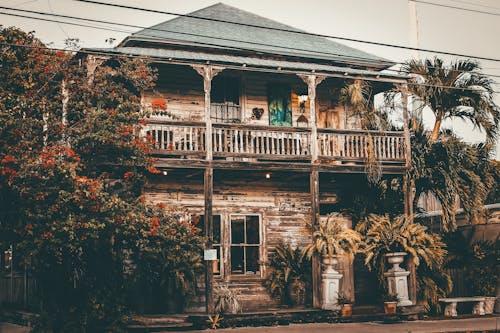
Have you ever wondered why your home suddenly starts acting “old” even if you’ve taken decent care of it? One day the faucet drips, the next the lights flicker, and before long it feels like your house has its own personality. Aging infrastructure is not just a buzzword used in news about bridges and highways. It quietly shapes what happens inside your walls every day.
Across the U.S., conversations about crumbling roads and outdated power grids have grown louder, especially after recent storms exposed weak systems. The same slow wear happens in homes, just less visibly, and the effects can build over time.
The Hidden Life of Your Home’s Systems
Most homeowners think of aging in terms of visible things like peeling paint or worn floors, yet the real story unfolds behind walls and under floors. Plumbing lines corrode, wiring insulation breaks down, and HVAC systems lose efficiency long before they completely fail. These systems age quietly, which makes problems feel sudden even though they have been developing for years.
This mirrors what cities face with old infrastructure, where repairs are often delayed until something breaks. At home, waiting too long can turn small issues into expensive emergencies, especially when leaks or electrical faults go unnoticed.
Plumbing That Tells a Story
Older plumbing systems often carry decades of mineral buildup, corrosion, and hidden cracks that reduce water pressure and increase the risk of leaks. In some neighborhoods built before the 1980s, original pipes are still in use, quietly deteriorating while homeowners assume everything is fine.
As cities invest in upgrades like structural pipeline rehabilitation, homeowners face a similar choice on a smaller scale. Replacing aging pipes before they fail can prevent water damage, mold growth, and rising utility bills. A simple inspection using a camera can reveal internal pipe conditions and help you plan upgrades instead of reacting to costly emergencies.
Electrical Systems Struggling to Keep Up
Homes built decades ago were not designed for today’s energy demands, where multiple devices, smart systems, and high-powered appliances run at once. Old wiring, outdated panels, and insufficient circuits can lead to frequent breaker trips or even fire risks.
This issue reflects broader concerns about the national power grid, which has struggled under extreme weather and increased demand in recent years. In your home, upgrading the electrical panel and adding dedicated circuits can improve safety and efficiency. If lights flicker or outlets feel warm, those are early warning signs that should not be ignored.
The Slow Decline of Structural Integrity
Over time, foundations shift, wood framing absorbs moisture, and materials weaken under constant stress. Small cracks in walls or uneven floors may seem cosmetic, but they often point to deeper structural changes happening below the surface.
Climate patterns are making this worse, with heavier rainfall and longer dry spells affecting soil stability across many parts of the U.S. Regular inspections of your foundation, especially after extreme weather, can help catch problems early. Addressing drainage issues around your home is one of the simplest ways to protect structural health.
HVAC Systems Losing Their Edge
Heating and cooling systems are among the hardest-working parts of a home, yet they often receive attention only when they stop working. As systems age, they become less efficient, leading to higher energy bills and inconsistent temperatures throughout the house.
This ties into larger conversations about energy efficiency and sustainability, as older systems consume more power and contribute to higher emissions. Replacing an aging HVAC unit with a modern, energy-efficient model can reduce costs and improve comfort. Regular maintenance, including filter changes and annual servicing, can extend the life of your system significantly.
Insulation and Energy Loss You Can’t See
As homes age, insulation often becomes compressed, outdated, or simply ineffective compared to modern standards, which means your house may be losing heat in winter and cool air in summer without you realizing it. This hidden inefficiency shows up as higher utility bills and uneven room temperatures that no thermostat setting seems to fix.
With energy costs rising nationwide, improving insulation has become a practical way to cut expenses. Adding attic insulation, sealing air leaks around doors and windows, and upgrading older materials can make a noticeable difference in comfort and long-term savings.
Water Damage That Creeps In
Water has a way of finding the smallest weaknesses in a home, and aging infrastructure makes those weaknesses more common. Roofs lose their protective layers, seals around windows degrade, and old plumbing connections loosen over time.
Recent increases in severe storms across the country have highlighted how vulnerable older homes can be to water intrusion. Checking your roof annually, resealing windows, and monitoring areas like basements and attics can prevent long-term damage. Even small leaks can lead to mold growth, which adds health risks to the list of concerns.
The Cost of Waiting Too Long
One of the biggest mistakes homeowners make is assuming that if something still works, it does not need attention. Aging infrastructure rarely fails all at once; it deteriorates gradually until a tipping point is reached.
This pattern is similar to what we see in public infrastructure, where delayed maintenance leads to sudden and costly failures. In a home, proactive upgrades often cost less than emergency repairs. Setting aside a maintenance budget and planning upgrades in phases can make the process more manageable and less stressful.
Smart Homes Meet Old Foundations
Modern technology is transforming homes with smart thermostats, automated lighting, and security systems, but these innovations often sit on top of aging infrastructure. Without proper upgrades, new technology can strain old systems rather than improve them.
There is a certain irony in having a voice-controlled home powered by outdated wiring or supported by aging plumbing. Integrating new technology works best when paired with foundational improvements, ensuring that the systems behind the scenes can support modern demands. A home that blends updated infrastructure with smart features offers both convenience and reliability.
Aging infrastructure is not just a problem for cities or governments. It is a quiet, ongoing process that affects every home over time. Paying attention to the signs, investing in timely upgrades, and thinking ahead can turn what feels like an inevitable decline into a manageable and even empowering process.