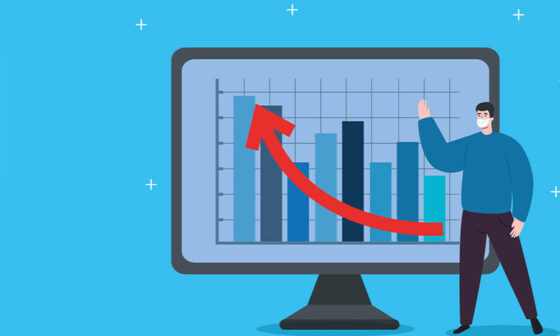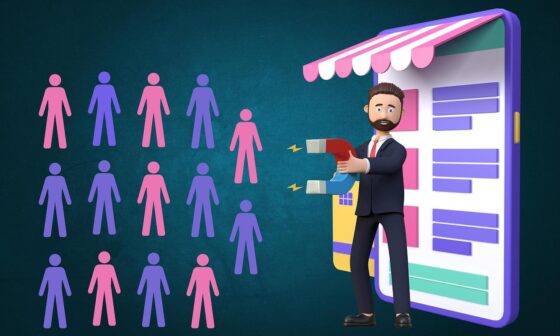
Conversion-focused web design is a strategic approach to designing websites that guide visitors toward taking specific actions, such as making a purchase, booking a consultation, or submitting a form.
Your website design directly affects your sales, not just how your site looks. Poor user experience, unclear calls to action, and slow-loading pages can push potential customers away before they take the next step.
The difference between a website that converts visitors into customers and one that doesn’t often comes down to intentional design choices that prioritize sales over style.
Conversion-focused web design vs traditional web design
Most businesses focus on making their site look impressive, but not necessarily on making it perform. Here is the key difference:
| Aspect | Traditional web design | Conversion-focused web design |
| Primary goal | Visual appeal | Sales & lead generation |
| User journey | Passive | Guided & intentional |
| CTA placement | Optional
|
Strategic & tested |
| Results
|
Traffic | Measurable conversions |
This approach works especially well for startups, service businesses that rely on consultations, and local brands looking to grow their customer base.
How conversion-focused web design increases sales
Clear user journeys reduce drop-off
When someone lands on your website, they should immediately understand what to do next. Your design should create a clear path from initial interest to action.
Logical navigation means organizing your menu based on how customers actually think, not how your company is organized internally. Fewer distractions help visitors stay focused on your main message. Shorter decision paths eliminate unnecessary steps between interest and action.
Strategic CTAs drive action
Your call-to-action buttons are where visitors either take action or leave. Above-the-fold CTAs help people see your main offer without scrolling. Action-oriented copy should clearly explain what happens next, using specific language like “Schedule my free consultation” instead of generic text like “Click here.” Visual contrast also helps your buttons stand out from the rest of the page.
Trust signals increase buyer confidence
Testimonials from real customers often carry more weight than brand messaging alone. Certifications and professional credentials should be visible where they support credibility. Case studies help demonstrate results for similar customers. Local relevance also matters if you serve specific regions.
Implementation guide: how to apply conversion-focused web design
Step 1: Define your primary conversion goal
Pick one primary action per page, whether that’s filling out a lead form, scheduling a call, or making a purchase. Every other element should support this main goal.
Step 2: Align the layout with user intent
Many visitors scan pages in predictable patterns, often described as F-patterns or Z-patterns. Place your most important information and calls to action along those reading paths. When evaluating professional web design services, look for agencies that understand how people actually scan and decide.
Step 3: Strengthen page speed and mobile experience
Slow websites can hurt conversions before visitors even see your offer. Prioritize fast load times across all devices, especially on mobile, where a large share of visitors will view your site.
Step 4: Use conversion copywriting
Benefit-driven headlines should immediately communicate what’s in it for the visitor. Include sections that address common objections or concerns about price, timing, or results.
Step 5: Test, measure, and refine
Set up A/B testing to compare different versions of your pages. Track metrics that matter for your business and make continuous adjustments based on real user behavior.
Specific metrics that prove the impact
When businesses apply conversion-focused design well, the results usually show up in measurable ways:
- Conversion rates can increase significantly, sometimes enough to generate more leads without increasing traffic
- Lower bounce rates, which can indicate stronger engagement with your content
- Longer session durations, which may suggest visitors are spending more time evaluating your services
- Higher lead quality, because clearer messaging attracts better-fit prospects
- Better return from paid traffic, since more clicks turn into real inquiries or customers
Who benefits most from conversion-focused web design?
Service-based businesses like consultants and contractors often see strong results because their sales process usually begins with a website inquiry.
E-commerce brands benefit from clearer product pages and smoother checkout flows.
Local businesses can also stand out through better digital presentation. Interior designers, agencies, and consultants in particular benefit because their services depend on trust and credibility before the first conversation even starts.
FAQs:
What is conversion-focused web design?
Conversion-focused web design prioritizes guiding visitors toward specific business goals, such as purchases, sign-ups, or inquiries, instead of focusing only on visual appeal.
How is conversion-focused design different from UX design?
UX design focuses on the overall user experience, while conversion-focused design emphasizes measurable business outcomes such as inquiries, sign-ups, and sales.
How long does it take to see sales improvements?
Some businesses notice an increase in inquiries within a few weeks of making conversion-focused changes. Broader revenue impact often takes longer and depends on traffic quality, offer strength, and follow-up process.
Is conversion-focused web design good for small businesses?
Yes, especially for small businesses with limited marketing budgets who need to maximize results from their existing website traffic.
Conclusion
Conversion-focused web design supports revenue growth by helping more visitors take meaningful action. Instead of expecting users to figure everything out on their own, this approach guides them from interest to inquiry, purchase, or booking.
Agencies like Studio Ubique focus on building websites that do more than look good. When a website is designed around clarity, trust, and action, each visitor has a better chance of becoming a real business opportunity.