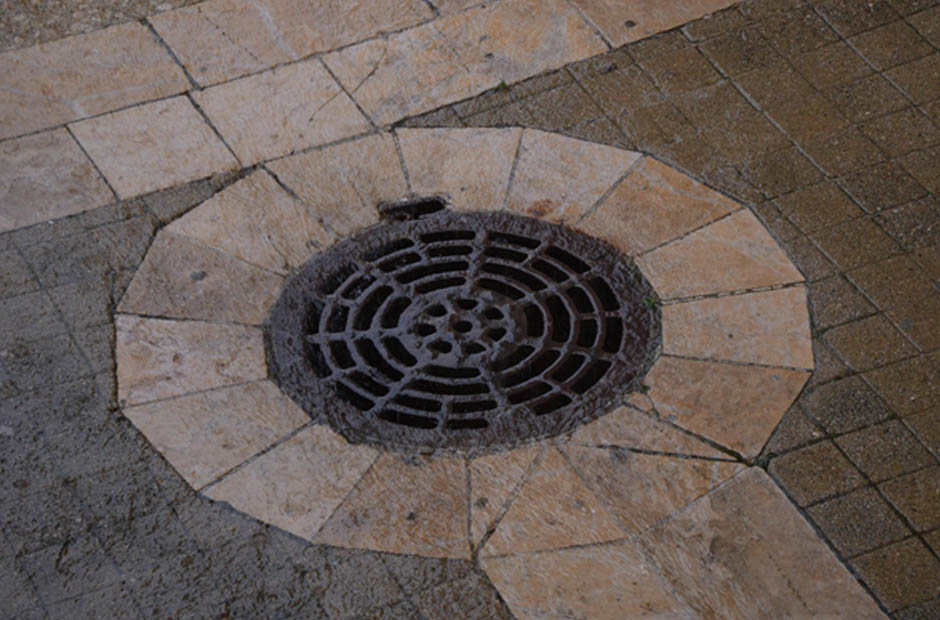
Most homeowners ignore standing water in the yard until somebody steps into a muddy patch wearing good shoes and suddenly gets annoyed enough to notice it properly. Some areas in the yard stay wet longer each season without anybody fully understanding what is happening underneath the surface.
That problem feels especially familiar in Bonita Springs, where heavy rainfall, tropical storms, and seasonal flooding put constant pressure on residential properties. Water moves differently there because the ground saturates quickly during stronger storms, and homes can experience drainage problems long before visible structural damage appears. A lot of homeowners focus on roofs or landscaping after major rain, but drainage issues below ground often create longer-term property damage quietly over time if water is not directed away properly.
Why Water Around Homes Becomes a Long-Term Problem
A lot of drainage problems start small enough that people simply adjust to them. Grass stays soggy after rain. Water pools near the side yard. The patio dries more slowly than it used to. None of that feels urgent initially because the house itself still looks fine from the outside.
The issue is that water rarely stays where homeowners expect it to stay. Over time, excess moisture begins affecting soil stability, landscaping, hardscaping, and eventually the structure itself if drainage remains poor long enough. Water naturally follows the easiest path available, which often means moving toward lower areas around the foundation.
That is why proper drainage planning matters more than many people realize. Systems designed to move water underground through connected lines help prevent repeated pooling around homes before larger problems begin developing. Many homeowners turn to professional Bonita Springs drainage services to solve recurring water issues that landscaping changes alone never fully fix. Surface improvements help visually sometimes, but long-term problems usually require better water management below ground, too.
Foundation Damage Usually Develops Slowly
One reason drainage issues get ignored is that foundation problems rarely appear dramatically overnight. The damage builds gradually while water keeps saturating the soil surrounding the home repeatedly over time.
As moisture levels shift around the foundation, the soil expands and contracts differently depending on weather conditions and drainage patterns. That movement creates stress on the structure slowly. Small cracks begin forming. Floors may feel uneven in certain rooms. Doors stop closing properly for no obvious reason. Homeowners often assume those issues are unrelated at first.
Contractors see this pattern constantly. Water sits too close to the foundation for years because runoff has nowhere else to go efficiently. Then, eventually, structural symptoms appear inside the house long after the original problem began outside. The frustrating part is that many homeowners could have reduced those risks much earlier with better planning before structural repairs became necessary. Water damage tends to become more expensive the longer it stays ignored.
Landscaping Problems Often Point to Larger Drainage Issues
A lot of homeowners notice drainage trouble first through landscaping problems instead of structural ones. Grass dies unexpectedly. Mulch washes away after storms. Plants struggle even though they receive enough water already. Soil erosion starts appearing near walkways or around the edges of the property.
Those signs matter because they usually indicate water is moving incorrectly across the yard. Sometimes homeowners respond by replacing plants repeatedly without realizing the underlying issue keeps damaging the area underneath.
Poor drainage also affects outdoor usability more than people expect. Yards stay muddy longer after rain. Standing water attracts insects. Patio areas become slippery. Some sections of the property stop being usable comfortably because the ground never fully dries properly anymore.
This became more noticeable recently because homeowners spend more time outside than they used to. Outdoor living spaces matter more now. People invest in patios, kitchens, landscaping, backyard seating areas, and professional Hardscaping Services expecting those spaces to stay functional throughout the year. Drainage problems quietly interfere with all of that.
Water Problems Can Affect Indoor Air Too
One thing homeowners sometimes overlook is how outdoor drainage problems eventually affect indoor conditions as well. Excess moisture surrounding the foundation increases humidity levels around the home over time, especially during warmer seasons. That moisture can create conditions where mildew, musty smells, or damp air begin appearing indoors gradually. Basements and lower floors often experience the effects first, but humidity problems can spread throughout the house eventually, depending on airflow and insulation.
People often assume indoor humidity comes entirely from air conditioning issues or weather changes. Sometimes the problem begins outside instead, where water continues collecting too close to the structure repeatedly after storms.
Better drainage helps reduce that moisture buildup by moving water farther away from the home before it has time to saturate the surrounding soil constantly. The difference often feels subtle initially. Rooms feel drier. The air smells cleaner. Floors stop feeling damp near certain walls or entryways. It is one of those home issues people quietly adapt to until conditions improve and they suddenly realize how uncomfortable things had become before.
Temporary Fixes Usually Stay Temporary
A lot of homeowners try quick drainage fixes first because the problem does not seem serious yet. Extra mulch gets spread around wet areas, soil gets added near puddles, and decorative rocks make things look cleaner for a while. Sometimes it even appears fixed until the next heavy storm rolls through and the same water starts collecting again.
The problem is usually happening underneath the surface, where runoff still has nowhere proper to go. Water keeps pushing toward the foundation unless it gets redirected away through underground drainage lines. Many homeowners wait too long because the issue feels more annoying than dangerous at first. Then one rainy season suddenly reveals how much damage had been quietly building over time.
Prevention Costs Less Than Structural Repairs
Drainage work is not the kind of home upgrade people usually brag about. Nobody invites friends over to admire underground water lines. Still, proper drainage quietly protects foundations, landscaping, patios, and the overall structure more than most homeowners realize at first. Water problems usually stay hidden until repairs become expensive enough to finally demand attention.
That is why more homeowners treat drainage as long-term protection now instead of optional maintenance. Water moves slowly, but it keeps working constantly beneath the surface. Soil weakens, moisture spreads, and small puddles gradually turn into larger structural concerns over time. By the time visible damage appears, the original drainage issue has often been there for years already.