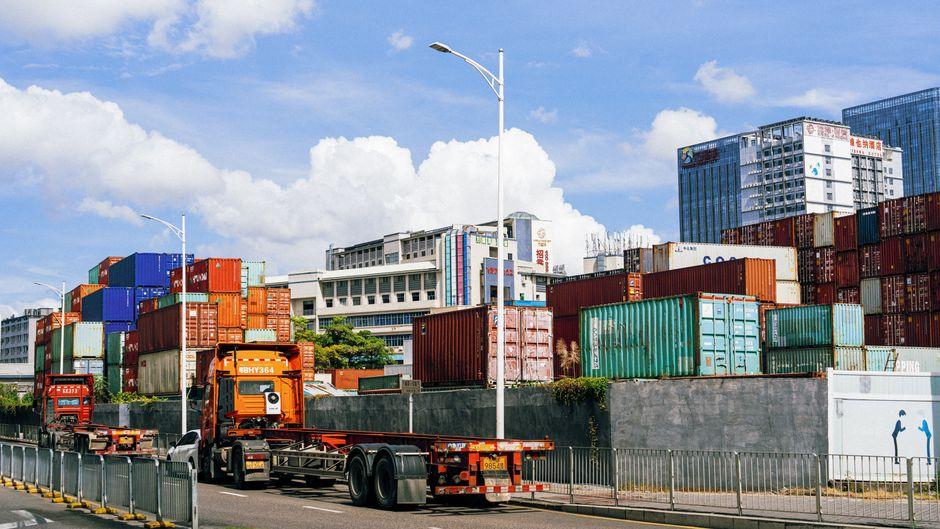
If you buy, sell, move, or manage physical goods, port congestion is never just a port problem. It can hit inventory levels, delivery promises, labor planning, and cash flow all at once. From Los Angeles to Savannah, major U.S. gateways have shown how quickly delays ripple inland. Once containers stack up at terminals, trucks, rail schedules, warehouses, and customers all feel it. If you want a supply chain that bends instead of breaks, you need to understand what happens after a ship arrives.
Port Congestion Starts a Domino Effect
When a port gets backed up, you’re not dealing with a single delay. You’re watching a chain reaction unfold across multiple touchpoints. A container that sits too long at the terminal can trigger storage fees, appointment issues, labor bottlenecks, and missed delivery windows.
You may also run into equipment shortages. Chassis, drivers, and warehouse dock space can suddenly become the hot tickets in the room. That’s when simple transportation plans stop being simple.
During heavy congestion, even a shipment that technically arrived on time may still miss your timeline by days. For importers and distributors, this gap matters. Your sales team may promise one thing while the freight network quietly writes another version of the story.
Inland Transport Is Where Delays Become Expensive
The real cost of congestion often shows up after the vessel is unloaded. Moving a container from the port to a nearby rail ramp, warehouse, or distribution center sounds straightforward. In practice, this short haul can become one of the most sensitive parts of your logistics plan.
That’s where container drayage services come into play. You might use them to move freight between ports, inland terminals, and storage locations while trying to avoid extra dwell time and terminal penalties.
This leg of the trip is short in miles but high in consequences. One missed pickup window can create demurrage charges, inventory delays, and rescheduling headaches. In supply chain terms, it’s a small hinge that swings a very large door.
Visibility Gaps Make Planning Harder Than It Should Be
You can’t make good supply chain decisions with blurry information. One of the biggest problems during congestion is limited visibility across handoffs. The port knows one piece, the ocean carrier knows another, the trucker has a different timeline, and your warehouse team may be stuck refreshing email threads like it’s a competitive sport.
If you don’t have accurate milestone updates, planning turns reactive. Labor gets scheduled too early or too late. Customers receive estimated arrival dates that are more optimistic than realistic. Purchasing teams may even overorder because they assume inventory is stranded.
You don’t need perfect data, but you do need timely, usable signals. Estimated container availability, appointment status, chassis access, and warehouse receiving windows can help you respond before a delay becomes a budget line item.
Flexibility Matters More Than Low Rates
When supply chains are smooth, low transportation rates can look like the smartest win. During congestion, flexibility often has more value than the cheapest quote. A low-cost option that can’t adapt to port delays, terminal rules, or shifting delivery schedules may cost you more in the long run.
You’re better off evaluating how providers handle disruption. Can they secure appointments quickly? Do they understand regional port quirks? Can they coordinate with rail, warehouses, and customer delivery requirements without turning every update into a scavenger hunt?
This is especially important if your freight moves through busy gateways with chronic pressure points. A provider that knows how to pivot around those issues can help keep your inventory flowing when the network gets moody.
Warehousing and Inventory Decisions Are Tied to the Port
It’s tempting to treat warehousing and transportation as separate functions. In reality, congestion forces them into the same conversation. If containers can’t move out quickly, your warehouse receiving plan may need to shift. If dock appointments are full, storage costs can climb before the goods even hit your shelves.
You may need temporary overflow capacity, flexible receiving hours, or transloading options to keep cargo moving. For some businesses, it makes sense to reposition freight inland faster and sort it closer to final demand. For others, adjusting safety stock levels may reduce the pain of recurring delays.
None of these fixes are glamorous. They also beat scrambling every week because containers arrived all at once and your dock looked like it lost an argument with a spreadsheet.
Regional Differences Change the Playbook
Not all congestion behaves the same way. West Coast ports, Gulf gateways, and East Coast terminals each have different labor patterns, infrastructure limits, appointment systems, and inland connections. If you move freight through multiple regions, you can’t rely on one standard playbook.
Southern California may demand close attention to drayage timing, chassis access, and warehouse routing. Savannah might bring a different mix of terminal volume and inland distribution pressure. New York and New Jersey often require careful coordination around traffic, cutoffs, and dense delivery zones.
For you, this means transportation planning should reflect local conditions, not generic assumptions. Even the same container type can face very different transit realities depending on where it lands. Regional knowledge isn’t a nice extra; it’s part of operational control.
Smart Shippers Build Buffers Without Losing Efficiency
You probably don’t want bloated inventory or padded timelines. Fair. Still, lean systems need realistic buffers when port volatility is part of the equation. The goal isn’t to overreact. It’s to absorb disruption without damaging customer service or margins.
That can mean building more lead time into purchase orders during peak season, diversifying ports of entry, or setting trigger points for alternate routing. It may also mean working with carriers and inland transport partners before problems hit instead of negotiating in the middle of a crunch.
A good buffer is targeted, not lazy. You identify where delays usually happen and add protection there. That approach keeps your operation practical, not paranoid.
Better Coordination Turns Chaos Into Manageable Risk
Port congestion won’t disappear just because everyone wishes harder. Weather events, labor issues, vessel bunching, and demand swings will keep testing supply chains. What changes outcomes is coordination across the inland network.
If you understand how port delays affect trucking, warehousing, rail, and customer commitments, you can make stronger decisions earlier. You can reroute freight, adjust receiving plans, and set expectations before costs spiral. That level of control matters whether you manage ten containers a month or a thousand.
Your supply chain doesn’t need perfection. It needs resilience, visibility, and partners who understand that a delay at the terminal is never just a delay at the terminal. Once you see the full picture, you’re in a much better position to keep freight moving and customers informed.