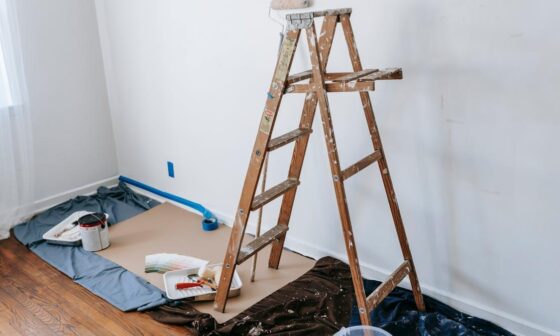
Owning a home comes with responsibilities, and ignoring small issues like leaks or cracks can quickly lead to costly repairs. By addressing minor problems early and staying proactive with maintenance, you can save time and money, protect your home’s longevity, and enjoy greater comfort and peace of mind.
Why Small Fixes Matter
Small home repairs, often overlooked, can have a big impact on your home’s future. Addressing these issues promptly saves money, preserves value, and minimizes stress.
The Cost of Ignoring Minor Issues
Ignoring issues like leaky faucets or cracked tiles can lead to expensive repairs. A dripping faucet can increase water bills and cause water damage over time, while cracked tiles allow moisture in, leading to mold and further repairs.
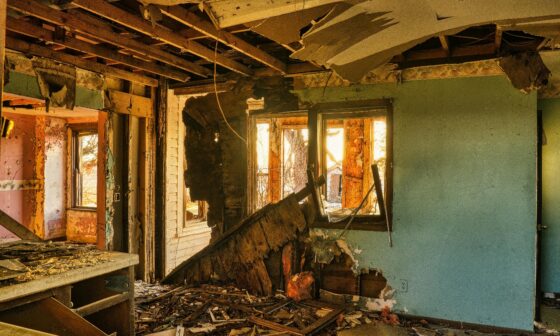
Regular maintenance helps avoid emergency repairs, which are usually more expensive. When issues are left unattended, they can escalate and cause disruptions. Taking proactive steps now can help prevent larger repairs later.
Ripple Effects on Home Value
Maintaining small repairs helps preserve your home’s value. Buyers often notice issues that can reduce its worth. For example, peeling paint or broken fixtures can suggest neglect, even if other parts of your home are in good condition. This perception can lead to lower offers from potential buyers.
You might not be planning to sell your home soon, but maintaining its value is important for future financial stability. Addressing these issues as they arise keeps your home looking its best and ensures it remains a valuable asset.
Reducing Long-Term Maintenance Stress
Small repairs today reduce future maintenance stress. It is easier to handle minor issues early than face multiple problems later, and routine maintenance helps prevent issues from building up.
Being proactive lets you enjoy your home without constant worry about hidden problems. Regular upkeep creates a more comfortable environment and peace of mind. Tackling small fixes early creates a greater sense of control.
Common Small Fixes That Make a Big Difference
Taking care of small home repairs now can save you from larger, more costly issues later. Addressing simple problems like leaks, drafts, and clogs keeps your home efficient and reduces the risk of damage.
Fixing Leaky Faucets and Pipes
Leaky faucets and pipes may seem minor, but they can waste water and increase bills. Check for leaks regularly and replace worn washers or seals, which are common causes. If you notice water pooling around pipes, it may be time to tighten connections or apply Teflon tape to threaded areas. These small adjustments can prevent the growth of mold or mildew caused by persistent moisture, preserving your home’s overall health. Plus, fixing leaks yourself often requires just basic tools and minimal cost, making it a satisfying DIY task.
Sealing Gaps and Cracks
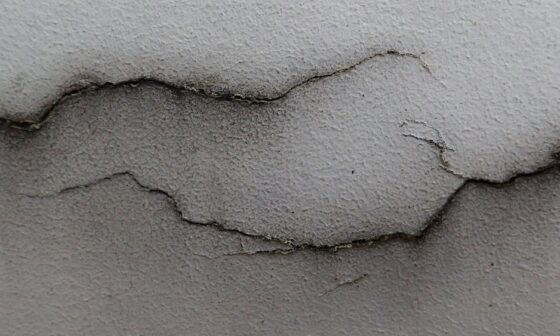
Gaps and cracks around windows and doors can let in drafts and increase energy costs. Use caulk to seal areas where air is coming through. Foam sealant works well for larger cracks. Do not overlook baseboards, exterior outlets, and attic access. A well-sealed house is not only more energy-efficient but also more comfortable. This fix reduces energy use over time and lowers heating and cooling bills.
Replacing Worn Weatherstripping
Weatherstripping helps prevent air from escaping or entering your home. Over time, it can deteriorate and lose its ability to seal gaps. Inspect your weatherstripping for signs of wear, such as cracking or weather damage. Replacing old strips is usually as simple as removing the old material and applying new adhesive-backed stripping. Focus on areas like windows, doors, and even your garage—a common source of drafts. New weatherstripping helps maintain indoor temperatures, offering a boost in energy efficiency. It’s a quick, affordable fix that goes a long way in enhancing comfort and reducing energy consumption.
Clearing Gutters and Downspouts
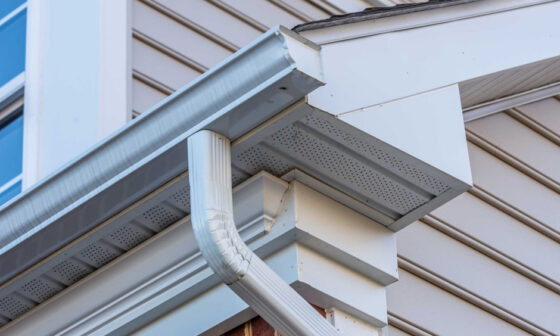
Clogged gutters and downspouts can cause water damage to your home’s foundation and exterior. Debris can block water flow, causing overflow or backups. Regularly inspect and clean your gutters, especially during the fall when leaves are abundant. Use a sturdy ladder and gloves to safely remove debris, and consider installing gutter guards to minimize future buildup. Pay attention to downspouts, ensuring water is diverted at least several feet away from the house. Clearing these pathways protects your home’s structure and helps prevent flooding or landscape damage.
Preventative Maintenance Strategies
Taking steps now can save you from dealing with costly home repairs down the line. Regular maintenance is key to identifying potential problems before they escalate, implementing a checklist to guide you, setting up inspections, and knowing when it’s best to call in an expert.
Creating a Home Repair Checklist
Start by creating a home repair checklist to ensure you do not miss key tasks. Include indoor and outdoor areas. Inside, focus on checking appliances, plumbing leaks, and HVAC systems. Outside, inspect the roof for damage, and clean gutters to prevent water buildup.
Tracking these tasks makes maintenance more manageable. Doing a little at a time helps address issues and maintain your home’s condition while saving money.
Scheduling Regular Inspections
Setting up regular inspections is another vital strategy. This involves scheduling a thorough check of your home’s essential systems at routine intervals. Aim to examine your home at least twice a year to stay on top of any developing issues.
Some tasks you can handle yourself, like ensuring smoke detectors are operational. For specialized systems like electrical wiring, consider contacting professionals. For instance, if you’re in Mississippi, working with a licensed electrical contractor in Brandon MS ensures safe and reliable inspections for more intricate systems.
Knowing When to Call a Professional
While you can tackle many maintenance tasks yourself, knowing when to call a professional is crucial. Complex systems such as electrical or HVAC units require expertise beyond the typical DIY skills. Attempting to fix these without the necessary knowledge can lead to more harm than good.
Look for signs that indicate a need for professional help—persistent issues despite DIY efforts, strange noises from systems, or repeated outages. In such cases, it’s wise to get expert assistance to avoid making problems worse.
Building Healthy Home Habits
Developing healthy home habits can safeguard your living space from unexpected issues. By focusing on maintenance tasks, involving your family, and acknowledging your achievements, you create a home that runs smoothly and efficiently.
Staying Proactive With Seasonal Upkeep
Addressing potential problems before they become larger issues is crucial. Seasonal upkeep includes tasks like cleaning gutters, checking roof integrity, and testing smoke alarms. Make a checklist of these tasks and set reminders to keep you consistent. This proactive approach can prevent costly damage and ensure your home remains safe all year round.
Performing these tasks regularly also extends the lifespan of your home’s components. By taking small steps, such as sealing cracks and servicing HVAC systems, you minimize the likelihood of major repairs. It’s about maintaining a small effort that leads to optimal functionality and peace of mind.
Encouraging Family Involvement
Involving your family in maintenance helps share responsibilities. Assign age-appropriate tasks to turn chores into a shared experience. Working together not only completes tasks more quickly but also establishes a sense of pride and ownership in maintaining the home.
Make these activities fun and educational by using rewards or turning tasks into a challenge. By fostering teamwork and responsibility, you teach valuable life skills. Plus, engaging collectively promotes communication and strengthens your family bond while achieving common goals.
Celebrating Your Maintenance Successes
Recognizing achievements helps sustain motivation. After completing maintenance tasks, take a moment to reflect. Share your progress with others, perhaps through photos or a small gathering to mark these milestones.
Acknowledging successes builds a positive attitude toward maintenance, helping you see tasks as accomplishments rather than obligations. This motivation helps to maintain the habit of regular upkeep. Celebrations, no matter how small, encourage continued commitment to keeping your home in excellent condition.
Engage with these practices, and your home will exemplify well-managed, healthy living.
Small Efforts, Lasting Impact
Staying on top of small home fixes helps protect your property, reduce costs, and maintain a comfortable living environment. Addressing issues early preserves value and avoids larger repairs, making homeownership more manageable.