Key Takeaways
- Consistent routines can make school responsibilities feel more manageable.
- Structure works best when it provides guidance while preserving appropriate independence.
- Planning, preparation, and reflection strengthen organization and follow-through.
- Daily responsibilities can become practice for communication, accountability, and leadership.
- Supportive relationships help teens make lasting use of routines and expectations.
Teenagers balance academic deadlines, friendships, activities, family responsibilities, and growing independence. For families considering environments with clear expectations, exploring top boarding schools in the US can also help illustrate how an organized daily setting may support personal responsibility, study habits, and leadership development.
A structured day is not about controlling every decision a teen makes. It is about creating reliable guardrails, so students know what needs attention, when they can rest, and how to recover when plans change. The strongest routines leave room for individual interests, creativity, and age-appropriate choices.
Why Structure Helps Teens
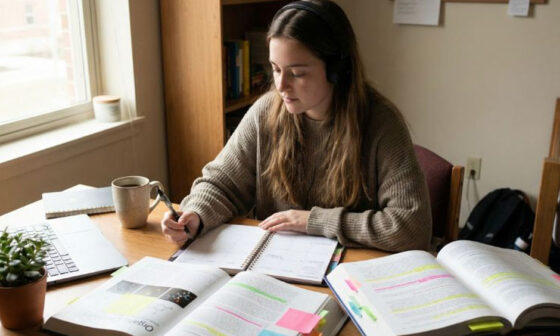
Adolescence brings more freedom, but it also brings more demands. Students may be expected to manage multiple teachers, long-term assignments, practices, social commitments, and future-planning decisions. A dependable routine reduces uncertainty by showing students what comes next and what deserves priority.
Consider a student who regularly misses smaller assignments. Rather than relying on repeated reminders, the student begins using one daily checklist and a set 30-minute work period after school. Over time, the checklist makes missed tasks easier to spot, while the study period turns starting work into a familiar habit.
How Routines Support Focus
Repeated routines reduce the number of minor choices students must make each day. When materials, study time, meals, exercise, and bedtime have a general place in the schedule, more mental energy can go toward learning and problem-solving. Thoughtful classroom routines can also support student agency when students understand their purpose and have opportunities to take ownership.
- Post the next day’s schedule where it is easy to see.
- Use short, focused study blocks with planned breaks.
- Keep school materials in one consistent location.
- Silence or move phones away during priority work.
- Review unfinished tasks before beginning an evening wind-down.
Building Confidence Through Guided Independence
Confidence grows when teens see themselves successfully handling responsibilities. Adults can provide a calendar, a checklist, or a predictable expectation, but students should increasingly make choices within that framework. For example, a parent might require that school materials be ready before bedtime while allowing the teen to decide whether to prepare immediately after dinner or later in the evening.
A Simple Progression
- An adult explains the task and its purpose.
- The student completes it with reminders.
- The student independently uses a checklist, planner, or calendar.
- The student reviews what worked and what did not.
- The student adjusts the plan for the next attempt.
Turning Daily Habits Into Leadership Skills
Leadership is not limited to holding a title. Teens practice leadership whenever they keep commitments, communicate clearly, support teammates, acknowledge mistakes, and help a group move toward a goal. Daily routines create repeated opportunities to build those traits.
- Time management: Arriving prepared and meeting deadlines.
- Accountability: Owning an error and taking steps to repair it.
- Communication: Asking useful questions and sharing timely updates.
- Teamwork: Listening to feedback and contributing reliably.
- Resilience: Returning to a difficult task after disappointment.
Clubs, athletics, service projects, group assignments, and peer mentoring give students practical settings in which to use these skills.
Parts of a Healthy School-Day Routine
The goal is consistency, not a perfect schedule. A useful routine includes preparation, focused work, recovery, and a chance to reset.
Morning Preparation
- Wake up at a generally steady time.
- Review the day’s commitments and needed materials.
- Leave enough time to arrive without unnecessary rushing.
Academic Focus and Evening Reset
- Record assignments before leaving class.
- Break larger projects into smaller next steps.
- Ask for help before confusion becomes a larger problem.
- Check completed work, pack materials, and prepare for tomorrow.
- Protect time for meals, movement, rest, and sleep.
Why Supportive Adults Matter
Rules alone can encourage short-term compliance, but relationships give routines meaning. Teachers, coaches, counselors, mentors, and family members can make expectations more effective by listening, noticing progress, and offering specific feedback. A 2026 survey found that students with more engaging school experiences were more likely to report feeling prepared for the future, reinforcing the importance of connections with teachers and relevant classwork.
How Families Can Reinforce Good Habits
Families do not need expensive systems to support organization. A shared calendar, a regular schoolwork window, and one consistent place for backpacks or devices can reduce daily friction. Ask teens to help design the plan, then hold a brief weekly check-in focused on what is working, what needs adjustment, and what progress deserves recognition.
Common Mistakes to Avoid
Too much structure can become stressful. Avoid filling every minute, treating every student the same, or relying on punishment as the primary response to missed expectations. Teens need unstructured time, varied forms of support, and a realistic path for improvement. Progress also deserves to be measured beyond grades, including preparation, attendance, communication, and willingness to seek help.
Common Questions From Families
Does Structure Make Teens Less Independent?
Not when it is used as support rather than control. A good routine gives teens tools they can gradually manage on their own.
What If a Teen Resists the Routine?
Start with one or two changes, explain why they matter, and ask what feels difficult. A workable routine is more valuable than an overly ambitious one that quickly disappears.
Final Thoughts
A structured school day can help teens develop focus, confidence, responsibility, and leadership through consistent practice. Clear expectations matter most when paired with supportive relationships and growing independence. When students understand why a habit matters and see themselves succeed with it, they build skills that can serve them in school, at work, in service, and in adult life.