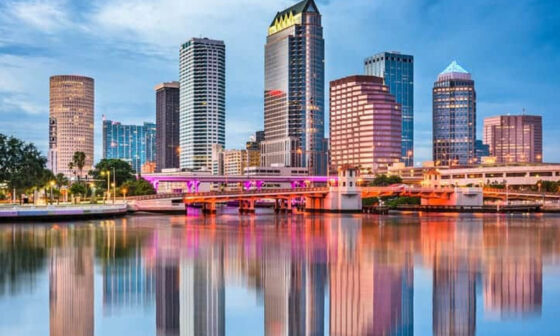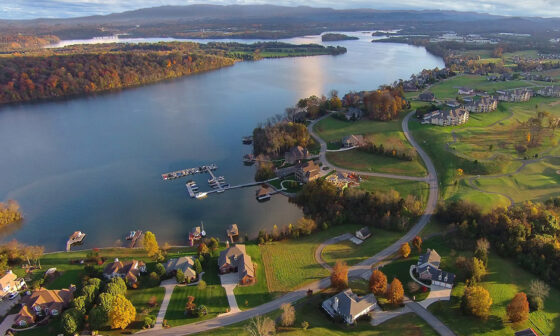
Planning a Tampa event during peak months feels normal until you try to lock details. Availability looks fine at a glance, then tightens as soon as you match a real date, setup window, and vendor needs. The gap between “open on the calendar” and “usable for your event” is where most problems start. It usually shows up after you’ve already invested time in a few options.
Availability Narrows In Fragments
What disappears first are the clean blocks of time. You’ll still see open dates, but the hours get carved up around other bookings, which affects setup and breakdown more than people expect. A venue might work on paper yet require a compressed timeline that pushes vendors into tighter windows.
That’s where small adjustments begin to stack. Shifting the start time can change catering delivery, which then affects staging and guest flow. It’s easier to spot this early if you ask for exact access times rather than just the event hours.
How The Building Runs Matters As Much As The Room
A quiet walkthrough doesn’t show how the venue behaves when it’s busy. During peak periods, loading areas and service corridors are used by multiple teams on overlapping schedules. Those shared points determine whether setup moves steadily or stalls in short bursts.
Looking at the path from arrival to setup to teardown gives a better read than focusing only on the main space. The event feels smooth when those transitions are handled well, even if the room itself is fairly standard.
Outdoor Plans Need a Built-in Pivot
Tampa weather can shift within the same event window. Heat builds through the afternoon and rain can interrupt outdoor portions with little warning. A backup plan that feels like a downgrade creates a different kind of stress once guests are already on-site.
Venues that connect indoor and covered areas tend to absorb those changes better. The layout should allow you to move pieces of the event without rebuilding everything, which keeps the experience consistent even if conditions change.
Vendor Coordination Reveals How The Venue Actually Operates
During peak season, vendors are moving between events on tight schedules. The venue’s process for handling arrivals, staging, and handoffs becomes visible quickly. Clear time slots, defined access points, and a point of contact who manages the flow reduce overlap.
When that structure isn’t there, delays don’t stay isolated. A late delivery can push back setup, which then compresses the rest of the timeline. Asking how the venue sequences vendor activity gives a more accurate picture than asking what’s “allowed.”
Pricing Reflects Structure
Two venues with similar rooms can land at very different totals once everything is included. Some bundle coordination, equipment, and staffing. Others keep the base rate lower and expect you to assemble those pieces separately.
The comparison makes more sense when you map what you need to run the event from start to finish. The lower number often grows once those pieces are added back in, especially during peak months when vendor rates are also higher.
Time Windows Shape What You Can Realistically Build
Busy calendars come with defined access windows. Setup, event time, and breakdown all need to fit within that frame, and there’s less room to extend if something runs late. This affects staging choices, décor complexity, and how early vendors can begin.
Plans that assume extra time tend to get trimmed once those limits are confirmed. It’s easier to design within the actual window than to scale back later.
Arrival Flow Sets The Tone Before The Program Starts
Drop-off points and nearby activity matter more when multiple events are happening at once. Guests arriving at similar times can create bottlenecks that delay the start, even if everything inside is ready.
Venues that actively manage traffic flow keep arrivals steady. That consistency shows up in how relaxed the first part of the event feels.
Local Familiarity Helps Filter What Will Hold Up
Working with teams who know Tampa event venues shortens the search. They tend to steer you toward spaces that handle peak demand without creating bottlenecks and away from ones that struggle once schedules fill.
That kind of context is hard to get from listings alone and usually saves time that would otherwise go into tours that don’t translate well under pressure.
Decision Timing Becomes Part of the Strategy
The window between finding a venue that fits and needing to secure it is shorter during peak months. Waiting to compare too many options can close off the one that works best, especially when availability changes in the background.
Have clear priorities before you start, so it’s easier to move when the right combination appears. It keeps the process focused.
The Difference Shows When Everything Is In Motion
A venue can look right during a tour and still feel different when the schedule is full. What matters then is how well it handles timing and small disruptions without breaking the flow.
The spaces that perform best stay steady even when everything around them is busy. That steadiness is what keeps the event from feeling compressed once the day begins.