Key Takeaways
- A water-wise yard can still feel green, inviting, and practical.
- Sun exposure, soil, drainage, and everyday routines should guide the design.
- Plants with similar watering needs belong together.
- Shade, seating, paths, and lighting make an outdoor area more comfortable to use.
- Reducing lawn in low-use areas can simplify maintenance without sacrificing appeal.
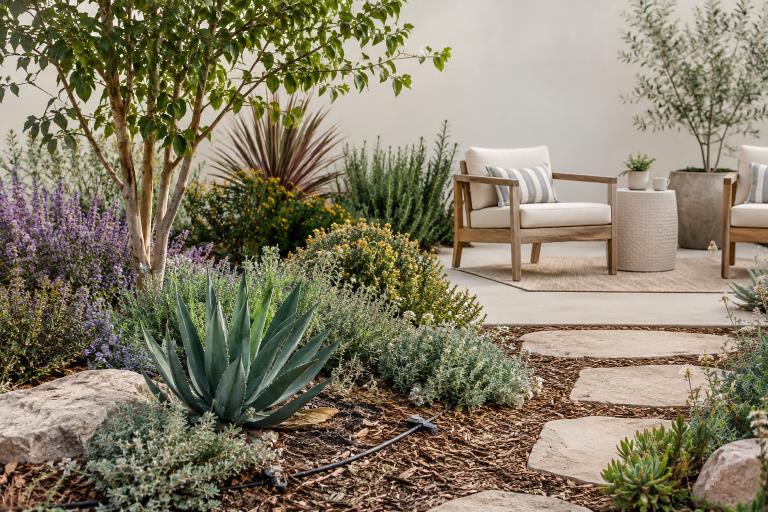
A comfortable outdoor space does not need constant watering or a large expanse of turf. Thoughtful residential landscape design can bring together useful gathering areas, well-placed plants, efficient irrigation, and materials that suit the property.
Water-wise design is not about removing every plant or turning the entire yard into gravel. It is about making intentional choices that fit the local climate, the site’s conditions, and the way a household actually uses its outdoor space.
Why Water-Wise Design Matters
Homeowners often want yards that are easier to maintain, more enjoyable in warm weather, and less dependent on unnecessary irrigation. A strong plan considers water use alongside comfort, privacy, drainage, shade, and visual character. The result can be an outdoor space that looks established and welcoming while requiring more deliberate care rather than frequent guesswork.
Start With a Simple Site Check
Before selecting plants, furniture, or paving, spend time observing the yard. Notice which areas receive gentle morning sun, intense afternoon sun, or shade for most of the day. After rainfall or irrigation, identify spots where water collects, flows toward structures, or quickly disappears into dry soil.
- Mark existing trees, fences, patios, utility locations, and drainage routes.
- Note slopes, compacted soil, exposed roots, and narrow side yards.
- Watch how people, pets, and children naturally move through the property.
- Consider how plants will look and function at their mature size.
For example, a sunny patio may need shade- and heat-tolerant plantings, while a shaded side path may need a durable walking surface and plants suited to low light. A low area that receives runoff may need a drainage-focused solution rather than plants that prefer dry soil.
Build the Layout Around Real Life
Begin with the activities that matter most. A family that eats outside regularly may prioritize a dining patio and nearby lighting. A household with children or dogs may need a durable open area. Someone who gardens may want convenient paths, storage, and access to water.
Create Clear, Useful Zones
- Choose the main purposes. Identify space for dining, play, gardening, relaxation, or entertaining.
- Plan movement first. Keep paths practical for people, maintenance equipment, and everyday access.
- Add comfort features early. Reserve room for seating, shade, lighting, and storage before filling beds with plants.
- Use simple boundaries. Changes in paving, planting beds, low walls, or furniture can define separate areas without making the yard feel crowded.
Choose Plants That Fit the Site
Plants should be selected based on available sunlight, soil conditions, expected moisture levels, and mature size. Native and climate-adapted plants can be useful options when they suit the specific property, but no plant is maintenance-free immediately after installation. New plants generally need attentive watering while roots become established.
A layered mix of trees, shrubs, grasses, ground covers, and seasonal plantings can create texture without relying on one plant type. Before buying, review low-water planting guidance and verify that each selection matches the conditions in the intended bed.
Group Plants by Water Needs
Hydrozoning simply means placing plants with similar moisture needs in the same area and, when possible, on the same irrigation zone. This makes it easier to avoid overwatering drought-tolerant plants just to support thirstier ones.
- Place plants that need regular moisture where irrigation is easiest to manage.
- Keep dry-site plants out of low areas that stay wet.
- Separate irrigation zones when beds have substantially different watering needs.
- Adjust watering as seasons, rainfall, and plant maturity change.
Use Lawn With a Purpose
Turf can still be valuable where people play, pets run, or groups gather. The most difficult lawn areas are often narrow strips, awkward corners, and spaces that receive little use but still need mowing and watering. Replacing those areas with planting beds, paths, seating, or suitable ground cover can make maintenance more straightforward.
Improve Irrigation Before Adding More Water
An irrigation system should support the landscape rather than water pavement, walls, or areas that do not need it. Check for leaks, blocked emitters, broken sprinkler heads, and overspray. Drip irrigation can be a practical choice for many planting beds, while sprinklers may better serve appropriately sized turf areas.
Check soil moisture before watering rather than relying only on a fixed schedule. Better coverage, appropriate run times, and seasonal adjustments often do more for plant health than simply extending watering cycles.
Make Soil, Mulch, and Drainage Work Together
Healthy soil supports root growth and helps the landscape respond more reliably to watering. Organic matter may improve some soils, but it should be used with the existing soil type and plant choices in mind. Mulch can limit weeds, reduce surface evaporation, and moderate soil temperatures, but it should be kept away from tree trunks, siding, and foundations.
Drainage needs attention before patios, paths, or planting beds are installed. Direct water away from foundations and erosion-prone areas, and consider permeable surfaces where they fit the site and local requirements.
Add Shade and Comfort Without Overbuilding
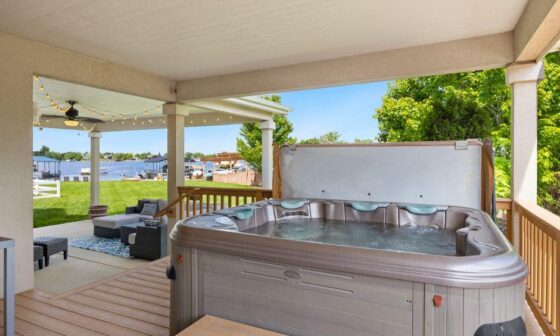
Comfort comes from both living and built features. Trees can provide long-term canopy cover, with mature size not conflicting with structures or utilities. Pergolas, umbrellas, shade sails, and covered seating can provide more immediate relief in sunny gathering areas.
- Use low-glare lighting along paths and near seating.
- Choose furniture that fits the area’s intended use.
- Add privacy planting or screening without unnecessarily blocking airflow.
- Select materials that remain safe and comfortable in local weather conditions.
A Practical Way to Phase the Work
- Address drainage, grading, soil, and irrigation issues and repairs.
- Install major paths, patios, and shade features.
- Plant trees and large shrubs that create the overall structure.
- Add smaller plants, ground covers, and seasonal color.
- Refine the space with lighting, storage, and decorative details after using it.
Common Mistakes to Avoid
- Choosing plants before studying sun, soil, and drainage.
- Combining plants with very different watering needs in one zone.
- Replacing lawn with bare gravel without planning shade, texture, or usable space.
- Ignoring the mature size of trees and shrubs.
- Designing for appearance while overlooking access, seating, and maintenance needs.
Conclusion
A water-wise landscape should feel personal and useful, not sparse or restrictive. Start with the site, prioritize how the space will be used, and ensure each plant, irrigation zone, path, and comfort feature serves a clear purpose. Reviewing WaterSense landscape examples can also offer ideas for how communities and property owners approach water-efficient outdoor improvements. With a practical plan, even a modest yard can become a more comfortable place to spend time.