Auckland is harder on SUV tyres than most owners account for. The combination of hilly terrain, persistent rainfall, high UV intensity, and urban roads ranging from smooth motorway tarseal to potholed suburban streets creates conditions that wear tyres faster than a basic maintenance schedule addresses. Owners of SUVs or 4x4s tyres in Auckland who want to avoid premature replacement costs need a maintenance approach tailored to those specific conditions.
Most owners replace tyres reactively, when a WOF inspection flags them or when a problem becomes impossible to ignore. The owners who get the most from a tyre’s life do something different. Here are the habits and checks that make the biggest difference to tyre longevity in Auckland’s conditions.
How to Make Your SUV Tyres Last Longer in Auckland?
#1 Focus on Wheel Alignment
Wheel alignment is the single most impactful maintenance item for SUV tyre life in Auckland. The city’s pothole-heavy urban roads and hilly terrain knock alignment out of specification gradually and, in some cases, suddenly after a single impact. Misalignment causes uneven tread wear, which compounds with every kilometre driven and cannot be reversed once it occurs.
A professional alignment check every six months, or after any significant pothole impact, catches the problem early before it becomes a replacement cost. Signs to watch for are a vehicle pulling to one side, uneven tread wear visible across a tyre’s width, and a steering wheel sitting off-centre on a straight road. Misalignment that goes unchecked can create wear patterns, which can lead to WOF failure, making this a tyre life and WOF compliance issue for Auckland SUV owners.
#2 Keep Tyre Rotation Steady
SUVs place uneven load demands on front and rear tyres, particularly in Auckland’s hilly conditions, where braking and acceleration stress shift constantly between axles. Regular rotation distributes the wear evenly, extending the usable life of the full set rather than wearing out two tyres significantly faster than the other two.
Auckland’s hills place consistent additional stress on front tyres during braking on descents and on rear tyres during acceleration on climbs. Without regular rotation, this imbalance shortens the life of the more heavily loaded pair considerably. Rotating tyres at regular service intervals and combining that visit with a wheel alignment check maximises the benefit of both in a single workshop appointment.
#3 Maintain Tyre Pressure
Under-inflated tyres are the most common, most preventable cause of premature SUV tyre wear. Auckland’s seasonal temperature fluctuations affect tyre pressure more than many drivers realise. A tyre that was correctly inflated in summer may be measurably under-inflated by mid-winter without looking flat to the eye.
An SUV running even slightly under the required pressure wears its tread unevenly and places additional stress on the sidewall with every trip. Monthly pressure checks when tyres are cold, checked against the vehicle manufacturer’s specification rather than the maximum figure printed on the tyre sidewall, take less than five minutes and directly extend a tyre’s life. Include the spare in that check every time.
#4 UV Exposure and Road Surface Variety
Two Auckland-specific conditions accelerate tyre damage in ways that standard maintenance schedules rarely address. The first is UV intensity. Auckland’s UV levels are among New Zealand’s highest, causing sidewall rubber to dry, crack, and degrade faster than in lower-UV environments. Parking in the shade or undercover, where possible, reduces exposure meaningfully over a tyre’s life.
The second is road surface variety. Auckland SUV owners regularly cover smooth motorway tarseal, chip-seal suburban roads, and potholed urban streets, often within the same journey. For owners covering that range of surfaces, having a tyre compound checked against actual driving patterns rather than the most common road type ensures more consistent wear across all conditions. A tyre suited to the full range of Auckland’s surfaces performs more reliably and wears more evenly.
#5 Tread Depth
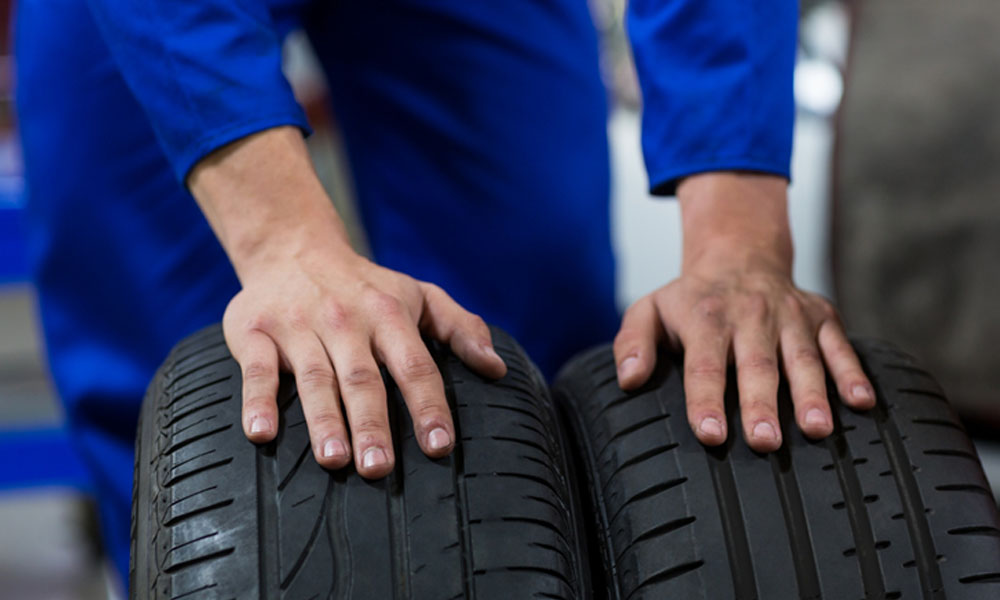
Knowing when to replace tyres is as important as any maintenance habit. In New Zealand, the legal minimum tread depth is 1.5mm, below which a tyre will fail a WOF inspection. For Auckland’s wet conditions, however, waiting until 1.5mm is not the most cost-effective approach.
Wet roads demand adequate tread depth for water dispersal. A tyre approaching the legal minimum on Auckland’s frequently wet roads offers significantly reduced wet-weather grip compared to one replaced at a more conservative threshold. Checking tread depth regularly, alongside pressure and visual checks for sidewall cracking or embedded stones, ensures the decision to replace is made on your terms rather than a WOF inspector’s.
Closing Thoughts
Alignment checks, regular rotation, monthly pressure monitoring, UV awareness, and timely tread depth assessment combine to extend SUV tyre life meaningfully across Auckland’s demanding conditions. Every alignment check missed and every under-inflated tyre driven on moves the next replacement cycle closer than it needs to be. Over time, that gap between owners who maintain consistently and those who do not shows up clearly in both tyre life and replacement cost.
For Auckland SUV owners who want a clear picture of where their current tyres stand, a free tyre safety check from a Henderson-based tyre specialist is the most practical starting point. Bring your vehicle in, get an honest assessment of tread wear, alignment, and pressure across all four tyres, and leave knowing exactly what needs attention before a WOF inspection or a replacement bill decides for you.