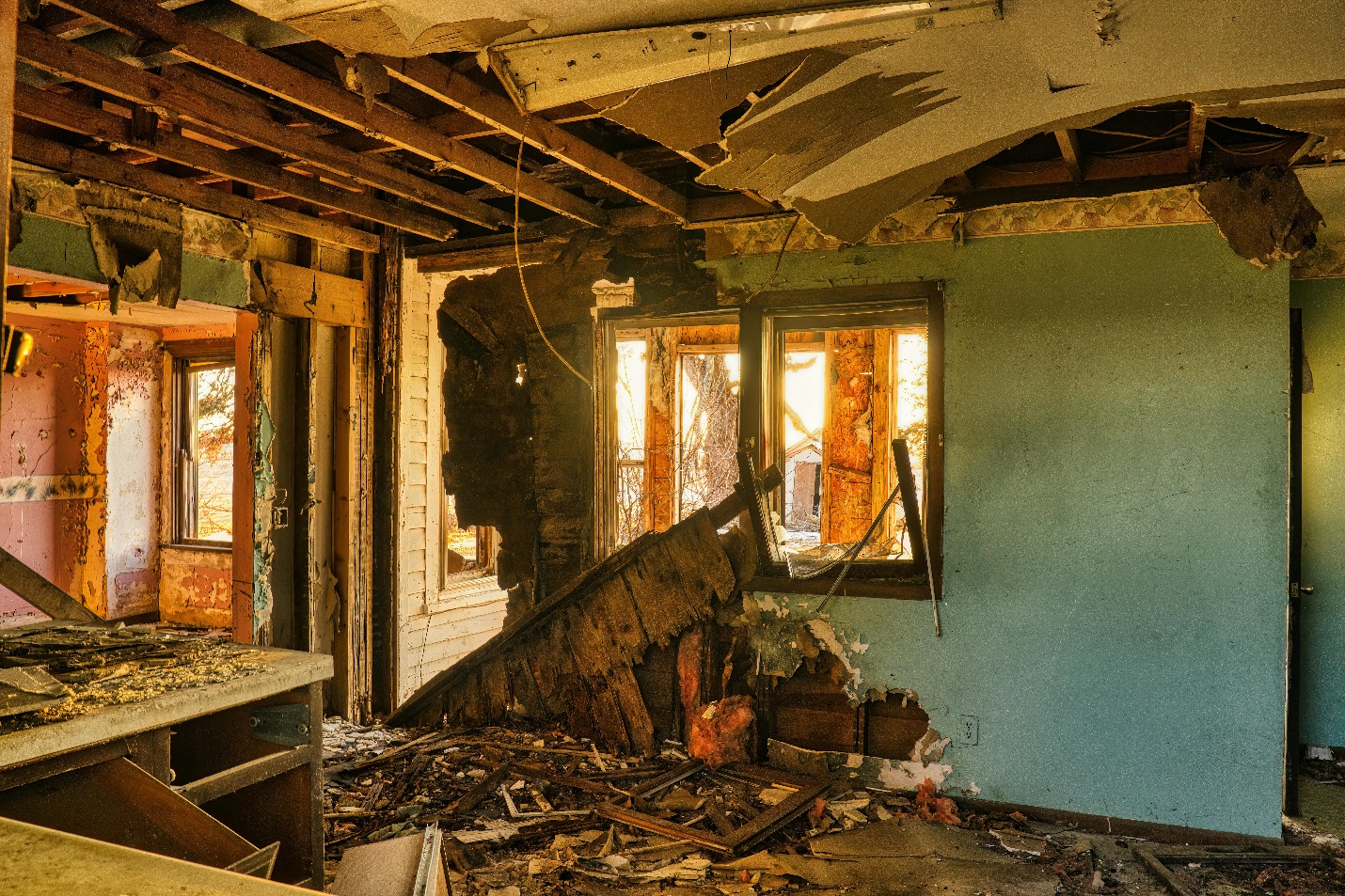
You take dry floors and firm walls for granted until water soaks through or smoke hangs in the air. After a burst pipe or kitchen fire, most people just stand there, stunned.
In Shakopee, Savage, and Prior Lake, this kind of damage is more common than people admit, especially with frozen pipes in winter and heavy summer storms rolling through Scott County. Fire and water problems show up quietly at first, then all at once, and homeowners here often find themselves juggling insurance calls, work schedules, and family routines while trying to figure out what to do next. It’s not dramatic. It’s just messy and inconvenient, and it needs to be handled right.
Start With a Clear Head
When damage hits, the first instinct is to grab tools and start ripping things out. The walls look warped, the carpet smells off, and it feels better to do something rather than stand there. Still, moving too fast usually creates more trouble. It’s smarter to pause and figure out what really happened. Water travels beyond the visible stain. Smoke drifts into vents and corners. Even minor wiring issues can sit behind a wall unnoticed. Take photos. Write things down. Check that power and gas are safe. It feels simple, almost obvious, yet skipping these steps often turns manageable repairs into major reconstruction.
Working With a Local Restoration Team
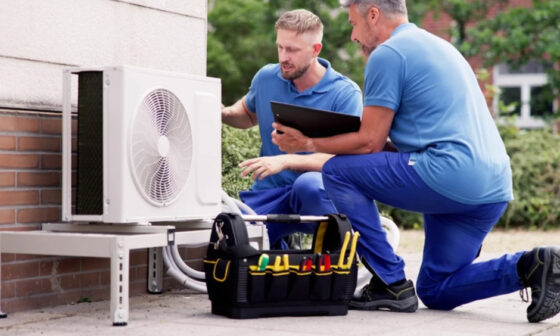
When damage goes beyond surface repairs, professional help is usually needed, especially if water has soaked into insulation or if smoke has traveled through the ventilation system. Professional restoration teams like SERVPRO of Shakopee/Savage/Prior Lake are trained to look at the whole structure, not just the visible mess. They use moisture meters, air scrubbers, and controlled drying systems that most homeowners simply don’t have access to. This isn’t about fancy equipment for the sake of it. It’s about preventing hidden mold growth, warped framing, and lingering odor that keeps reminding you that something happened.
Professionals handle cleanup and structural drying in a systematic way. The goal is not just to make the space look normal again, but to return it to a safe, livable condition without cutting corners that create future problems.
Be Patient
Water has a way of sticking around. It seeps into subfloors, behind baseboards, and into small cracks along the foundation. Even after surfaces feel dry to the touch, moisture can remain trapped underneath.
Drying a home properly takes time. Fans and open windows help, but controlled dehumidification works better because it pulls moisture out of the air and materials steadily. Sections of drywall may need to be removed, not because they look terrible, but because they are holding moisture you can’t see. This is where many homeowners feel frustrated. It looks like overkill. Sometimes it is not.
If drying is rushed, mold can begin forming in as little as a couple of days. And mold doesn’t just stain surfaces. It changes the air quality. It affects how a home smells, how it feels, and sometimes how people feel inside it. That’s a longer road to fix.
Smoke and Fire Damage Lingers in Layers
Fire damage goes deeper than blackened studs or scorched paint. Even a small blaze can send smoke drifting through vents, fabrics, and narrow gaps you didn’t know existed. Days later, especially when the air turns damp, that smell creeps back. Cleaning it isn’t as simple as scrubbing walls. Soot clings to surfaces and needs proper treatment to break it down.
Some materials, like insulation or soft furniture, may have to be thrown out because they trap residue. Air is filtered again and again to clear what lingers. If the smoke scent remains months later, the job wasn’t fully finished.
Dealing With Insurance Without Losing Your Mind
On paper, insurance claims look straightforward. In real life, they drag. There are forms to fill out, adjusters walking through rooms, and long lists of damaged items. Photos matter. Receipts matter more. Even jotting down who said what can save trouble later, though it feels tedious. Some homeowners downplay damage to seem fair. Others assume everything will be covered. It doesn’t work that way. Coverage depends on how the damage happened, and policies aren’t identical. A sudden pipe break is often included; a slow leak might not be.
Read before signing. Ask questions. Keep communication steady to avoid delays and confusion.
Deciding Whether to Repair or Renovate
Damage has a way of exposing things you didn’t plan to deal with. Open a wall, and you might find old wiring. Pull up the flooring, and the subfloor may dip or sag. That’s usually when the idea of upgrading starts creeping in. There’s no obligation to remodel just because repairs are underway, though sometimes it’s practical. If cabinets were already worn out and water reached them, full replacement may cost less than piecing them together.
Still, repairs can quietly grow into full renovations. Budgets stretch. Timelines slip. It helps to pause and decide what truly needs fixing now. Other improvements can wait.
The Emotional Side No One Talks About
A house feels off after damage, even once it’s fixed. You catch yourself listening for drips at night or glancing at the ceiling when it rains hard. Sometimes furniture gets moved, just to break the memory of what happened there. People don’t talk about this part much, but it sticks. Homes run on routine, and when that rhythm is shaken, it takes time to settle again. Slowly, the paint smell fades, repairs blend in, and one day you stop checking. That’s when it feels normal.
Preventing the Next Round
Once repairs are complete, prevention becomes the quiet priority. Simple habits help more than most people expect. Checking hoses behind washing machines. Cleaning gutters before heavy rain. Making sure sump pumps are tested before storm season. These are not exciting tasks, and they rarely show up on social media feeds about home improvement, but they matter.
Technology has made some of this easier. Leak detection sensors can now alert homeowners to moisture before it becomes visible. Smart thermostats can help prevent frozen pipes by maintaining steady indoor temperatures. These tools aren’t perfect, but they reduce risk. Still, no system removes risk entirely. Homes age. Weather shifts. Materials fail. The goal isn’t perfection. It’s preparedness.
Restoring a home after unexpected damage is rarely a dramatic transformation. It’s a careful process of drying, cleaning, repairing, and sometimes replacing. It takes coordination. It takes patience. And it usually takes more time than you first expect.