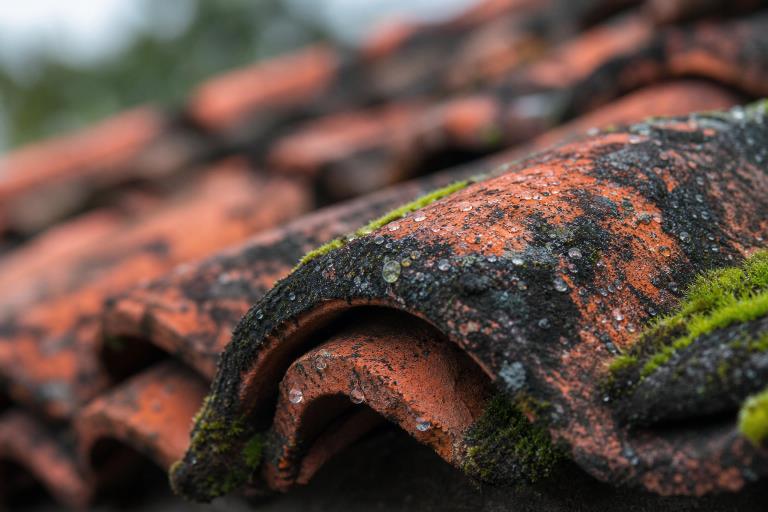
Tile roofs are well-suited to hot, rainy climates, but constant moisture, shade, and airborne debris can leave them looking streaked or worn. Thoughtful Tile roof cleaning begins with understanding what is on the surface, how the tiles are installed, and which cleaning choices could create unnecessary damage.
Dark marks do not automatically mean a tile roof is failing. In many cases, discoloration comes from algae, mildew-like growth, accumulated dirt, or damp organic debris. However, stains can make it harder to notice cracked tiles, shifted pieces, and drainage problems, so regular visual checks are worth adding to home maintenance.
Why Tile Roofs Stain In Humid Climates
Warm temperatures and frequent rain create favorable conditions for surface growth. Roof valleys, tile overlaps, and north-facing or tree-covered slopes often stay wet longer than open areas. Coastal air, heavy storms, dense landscaping, and leaf litter can also add residue that holds moisture against the roof.
How To Spot Algae, Mold, And Lichen
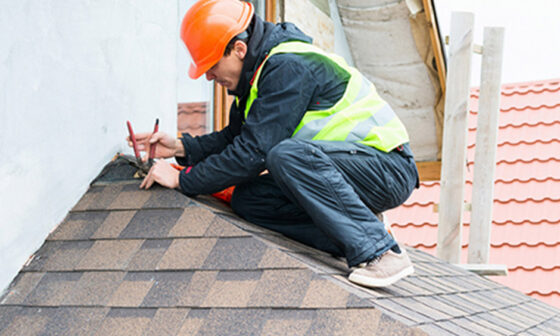
Start from the ground instead of stepping onto the roof. Binoculars or zoomed-in photos can reveal problems without putting weight on brittle or slippery tiles. Homeowners should watch for:
- Black or brown streaks running down a slope.
- Green patches in shaded sections.
- Crusty or fuzzy growth around tile edges, vents, and flashing.
- Leaves and twigs are trapped in valleys or gutters.
- Tiles that appear cracked, chalky, loose, or out of place.
Roof Cleaning Methods: What Works And What Can Harm
Low-Pressure Cleaning
A careful approach to roof washing generally relies more on appropriate treatment and controlled rinsing than on forceful blasting. Lower-pressure methods can be gentler on tile surfaces, coatings, flashing, and the joints where tiles overlap.
High-Pressure Washing
High pressure can crack older tiles, dislodge loose pieces, strip finishes, and push water beneath overlaps. A roof may look cleaner immediately afterward, while concealed water intrusion or surface damage goes unnoticed. Before choosing a method, check the tile manufacturer’s care guidance and confirm that any cleaning product is suitable for the material.
For background on roof algae, homeowners can review how to spot, treat, and prevent algae growth.
What To Check Before Cleaning A Tile Roof
Cleaning should not begin until the roof’s condition has been considered. Note the tile material, whether it is clay, concrete, ceramic, or another type, because products and methods may differ. Then check for:
- Cracked, broken, missing, or shifted tiles.
- Damaged flashing around vents, skylights, chimneys, and roof edges.
- Blocked gutters and downspouts could cause standing water.
- Prior repairs, coatings, sealants, or warranty requirements.
- Plants, windows, painted surfaces, furniture, and vehicles that need protection.
A Safer Tile Roof Cleaning Process
A sound cleaning plan follows a sequence rather than treating stains as the only concern:
- Inspect first: Address damaged tiles or flashing before applying water or treatment.
- Clear loose debris: Remove leaves and twigs gently without scraping the surface.
- Protect surrounding areas: Wet sensitive plants and cover items that could be affected by runoff.
- Apply the correct treatment: Use only a product approved for the tile material and follow its directions.
- Allow proper dwell time: Let the treatment work without rushing or overapplying it.
- Rinse carefully: Keep water controlled and avoid directing it upward beneath tile overlaps.
- Inspect again: Check drainage points, remaining buildup, and any tiles disturbed during the process.
Ways To Slow Future Roof Growth
Cleaning removes existing buildup, but prevention depends on reducing the conditions that allow it to return. Lichen is a complex organism that can form attached growth on exposed surfaces. Practical prevention steps include trimming overhanging branches, removing wet leaf piles, maintaining gutters, and watching shaded areas beneath trees or beside tall privacy screens.
Good attic ventilation may also help when excess heat or moisture is a concern. There is no permanent single-product solution, so consistent drainage, debris removal, and timely repairs usually provide the most reliable results.
A Simple Tile Roof Maintenance Schedule
- After major storms: Look for fallen branches, loose tiles, blocked gutters, and signs of interior leaks.
- Every few months: Check visible staining, shaded slopes, gutter flow, and debris in valleys.
- Before the wet season: Clear drainage paths, trim branches, and correct small issues early.
- Once a year: Arrange a closer inspection, particularly for older roofs or roofs with recurring stains.
The optimal cleaning frequency varies with tree cover, roof orientation, rainfall, nearby water sources, tile condition, and the amount of organic debris around the home.
When To Call A Roofing Professional
Roof cleaning and roof repair are different tasks. A roofing professional should assess the situation when there are interior water stains, active leaks, multiple cracked or shifted tiles, exposed underlayment, damaged flashing, sagging areas, steep slopes, difficult access, or heavy widespread growth. When comparing providers, ask about roof-specific experience, insurance, written cleaning methods, and plans for runoff and landscape protection.
Common Questions About Tile Roof Care
Can a Tile Roof Be Pressure-Washed?
It depends on the tile type, roof condition, equipment, and technique. High pressure, used carelessly, can cause avoidable damage, so manufacturer guidance and roof condition should come first.
How Often Should A Tile Roof Be Cleaned?
There is no universal schedule. Visible growth, moisture, shade, trees, and drainage conditions should guide the timing.
Do Dark Streaks Mean The Roof Is Failing?
Not necessarily. Stains may be surface growth, but broken tiles, loose materials, or leaks require closer inspection.
Is It Safe To Walk On Tile Roofing?
Tile can crack under foot pressure, especially when weight is placed in the wrong area. Ground-level checks are the safer starting point for most homeowners.
Final Thoughts
Tile roofs stay more attractive and functional when gentle cleaning is paired with drainage maintenance, branch trimming, routine inspections, and prompt repairs. A careful plan is safer than waiting for stains, broken tiles, or hidden moisture problems to become larger concerns.