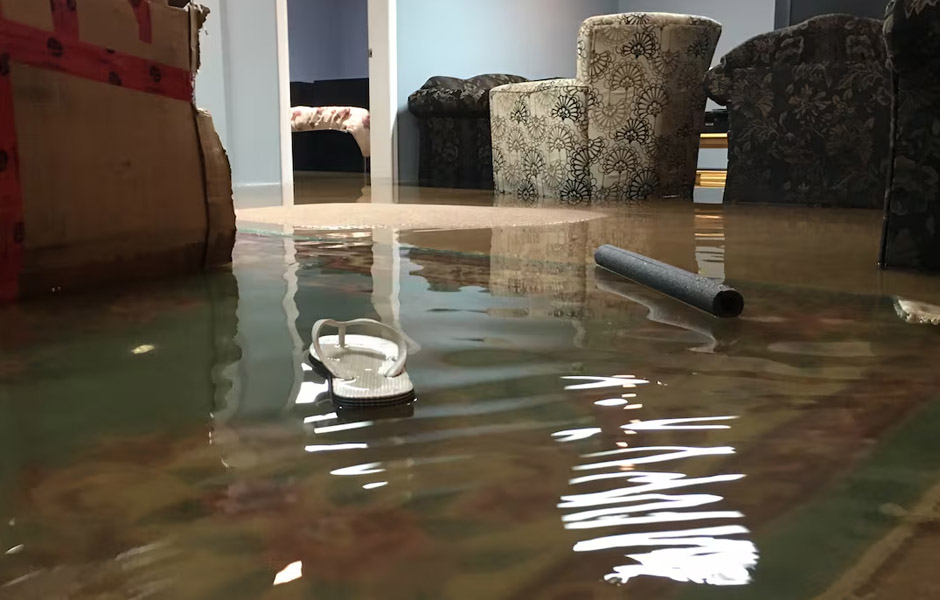
Maintaining a dry, healthy basement is a top priority for any homeowner, especially in regions prone to heavy spring thaws or sudden summer downpours. A flooded basement isn’t just a temporary inconvenience; it can lead to long-term structural issues, ruined personal belongings, and the persistent threat of mold growth. Understanding how your home manages excess groundwater is the first step in preventing a disaster. For residents in the Great Lakes region who are dealing with high water tables, finding reliable sump pump repair in Maumee, OH, is a critical part of a seasonal maintenance checklist to ensure the heart of their drainage system is always ready for a storm.
Understanding How Your Sump Pump Works
At its core, a sump pump is a relatively simple device designed to solve a complex problem. Most basements have a “sump pit,” a hole cut into the lowest part of the floor. As groundwater levels rise around your foundation, the water is diverted into this pit. Once the water reaches a certain level, a float switch activates the pump, which then pushes the water out of the house through a discharge pipe.
Without this system, hydrostatic pressure can build up against your foundation walls, leading to cracks and seepage. Because the pump sits in a damp environment and remains idle for long periods, mechanical parts can seize or corrode over time. Knowing the mechanics helps you spot when something isn’t sounding or moving quite right.
Common Indicators of System Failure
You shouldn’t wait for a flood to find out your pump is broken. One of the most obvious signs of trouble is unusual noise. While every pump makes a low hum, loud grinding or thumping sounds often indicate a damaged impeller or a failing motor. Another common issue is the “cycle” frequency. If your pump is turning on and off every few seconds, the float switch may be stuck or improperly adjusted.
In many cases, an aging system might simply lose its efficiency, struggling to keep up with the volume of water entering the pit. If you notice water levels rising despite the pump running constantly, it may be time to consult a specialist for sump pump repair in Maumee, OH, to determine whether the motor is failing or the discharge line is obstructed. Early detection is the most effective way to avoid the high costs of water restoration services.
The Importance of the Backup Power Source
Standard sump pumps run on your home’s electrical system. Unfortunately, the heavy storms that require your pump to work the hardest are often the same ones that knock out power. If the electricity goes out, your primary pump stops working.
Installing a battery backup system is a standard recommendation for modern home maintenance. These systems kick in automatically when the main power fails, providing several hours of pumping power. Some homeowners even opt for water-powered backup pumps, which use the pressure from the municipal water line to create suction, offering an indefinite runtime as long as the city water is flowing.
Simple DIY Maintenance Steps
While major mechanical issues require professional tools, there are several things a homeowner can do to keep their system healthy:
- The Bucket Test: Pour a five-gallon bucket of water into the pit to ensure the pump activates and quickly clears the water.
- Check the Discharge Line: Ensure the pipe outside your home is clear of leaves, debris, or ice, and that it directs water at least ten feet away from the foundation.
- Clean the Pit: Over time, silt and small stones can accumulate in the bottom of the basin. Periodically scooping this out prevents the pump’s intake screen from clogging.
Managing Humidity and Mold Prevention
Even if your pump is working perfectly, a basement can still feel damp. High humidity levels can lead to condensation on cold pipes and foundation walls, creating a breeding ground for mildew. Using a high-capacity dehumidifier in conjunction with your drainage system helps maintain a stable environment.
Check for “hidden” moisture by looking at the base of your drywall or the undersides of storage boxes. If you smell a musty odor, it’s a sign that moisture is trapped somewhere. Keeping the air moving with fans and ensuring your gutters are clear will complement the work your sump pump is doing underground.
Conclusion
A well-maintained sump pump is your home’s silent guardian against water damage. By performing regular tests, keeping the pit clean, and having a backup plan for power outages, you can rest easy during the next big storm. Protecting your foundation is an ongoing process, but the peace of mind that comes with a dry basement is well worth the effort of a few seasonal checks.