Glass storefronts and office windows are designed to invite light, visibility, and connection with the outside world. They make spaces feel open and welcoming. But they also represent one of the most exposed parts of any building. For property owners and managers researching solutions like 3m security film, the goal is rarely to make windows impenetrable. It’s to make them safer, more resilient, and less vulnerable when unexpected events occur.
Window security film doesn’t replace glass. It reinforces it. Installed correctly, it changes how glass behaves when impacted,whether by accident, attempted intrusion, or environmental stress. That change in behavior can significantly reduce risk, protect occupants, and maintain the integrity of a space when glass would otherwise fail.
Understanding how security film works in storefronts and offices helps clarify why it’s become a common addition in modern buildings.
1. Storefronts and Offices Rely on Glass, But Glass Is Fragile
Glass plays an essential role in commercial design.
Visibility and Accessibility
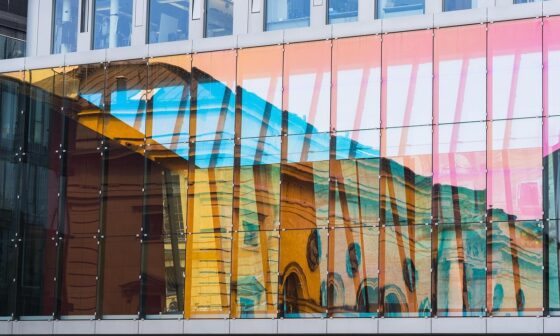
Retail storefronts use glass to showcase products and create openness. Offices use glass to bring in natural light and maintain a connection with the outside environment. Transparency supports both aesthetics and function.
But transparency comes with vulnerability.
Breakage Happens Quickly
Standard glass can shatter with relatively little force. When it does, it often breaks into sharp fragments that scatter outward. This creates immediate safety risks and, in some cases, easy access points.
In high-traffic areas or after hours, that sudden failure can have serious consequences.
Reinforcement Changes the Outcome
Security film strengthens glass without changing its appearance. It doesn’t prevent cracks entirely, but it helps hold the glass together when it breaks. That containment changes what happens next.
Instead of collapsing instantly, the pane remains largely intact.
2. Security Film Slows and Contains Forced Entry
One of the primary benefits of security window film is its ability to delay intrusion.
Impact Becomes a Process
Without reinforcement, a single strike can shatter glass. With security film, multiple impacts may be required before the glass gives way. Even then, the film holds fragments together, creating resistance.
This delay matters. Forced entry attempts often rely on speed and surprise. When glass doesn’t fail immediately, the attempt becomes more difficult and more visible.
Containment Maintains a Barrier
Even when the glass cracks, the film helps keep the pane in place. This containment maintains a physical barrier for longer, reducing immediate access.
That extra time can:
- deter intrusion
- allow for response
- reduce damage
Security often depends on seconds rather than minutes.
Visual Deterrence
While most security films are clear, the knowledge that glass is reinforced can discourage opportunistic attempts. Reinforced glass signals preparedness.
Prepared spaces are less appealing targets.
3. Security Film Reduces Injury Risk
Breakage isn’t always intentional. Accidents happen.
Protecting Occupants and Staff
In busy storefronts or office environments, accidental impact can occur. A door swings open too quickly. Equipment bumps against a window. Unexpected events happen.
When glass shatters without reinforcement, flying fragments can cause injury. Security film helps keep those fragments contained, reducing the risk of cuts and other harm.
Maintaining Safe Environments
In workplaces, safety is a priority. Reinforced glass contributes to a safer environment by minimizing hazards associated with broken windows.
Containment supports stability.
Post-Breakage Stability
Even after impact, glass with security film often remains in place. This allows time for controlled cleanup and reduces immediate danger to people nearby.
Stability after breakage matters as much as prevention.
4. Protection Extends Beyond Security Threats
Security film also supports resilience in non-criminal situations.
Environmental Stress
High winds, debris, or sudden pressure changes can stress glass. Security film helps hold glass together during these events, reducing the likelihood of fragments scattering.
In areas prone to severe weather, this added reinforcement can limit damage and improve safety.
UV and Glare Considerations
Some security films include additional benefits such as UV reduction or glare control. While these features vary by product, they can support comfort and protect interior furnishings from fading.
Performance can extend beyond reinforcement.
Maintaining Business Continuity
When glass breaks and collapses completely, businesses may need to close temporarily for repairs. Security film can help keep broken panes intact long enough for controlled replacement, minimizing disruption.
Continuity supports operations.
5. Installation and Maintenance Support Long-Term Performance
Security film works best when installed properly.
Professional Application Matters
Correct installation ensures:
- strong adhesion
- even coverage
- proper alignment
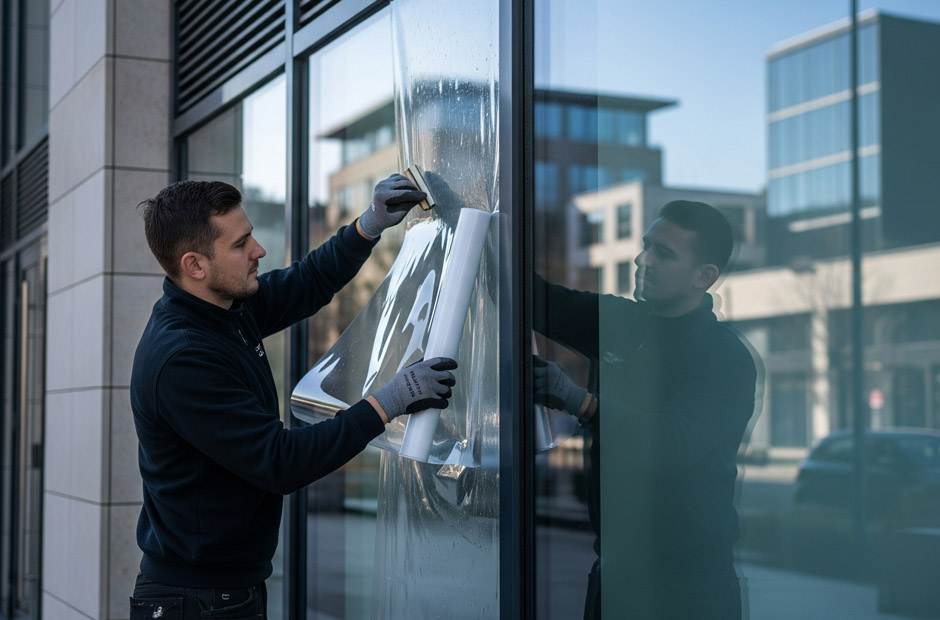
Professional installers prepare the surface carefully and apply the film to maximize effectiveness.
Precision affects performance.
Edge Attachment Systems
In some cases, security film is paired with edge attachment systems that anchor the film to the window frame. This helps maintain containment under stronger impacts.
These systems enhance the film’s ability to keep glass in place.
Low Maintenance
Once installed, security film requires minimal upkeep. Standard cleaning methods typically suffice, and the film remains durable over time.
Its presence becomes almost invisible in daily use.
The Takeaway: Reinforcing Glass Supports Safer Spaces
Storefronts and offices rely on glass for light, visibility, and openness. Security window film helps protect that openness without compromising it.
By:
- slowing forced entry
- containing shattered glass
- reducing injury risk
- supporting environmental resilience
security film strengthens one of the most vulnerable parts of a building.
It doesn’t make glass indestructible. It makes it more resilient. And in environments where safety, continuity, and protection matter, that resilience can make a meaningful difference long before it’s ever needed.