Picture this: you’ve finally booked that family trip everyone’s been buzzing about for months. But as the excitement builds, so does the quiet worry, will the beach actually have the access you need? Will the trail work with grandma’s walker? Is there a sensory-friendly option, or will you be managing a meltdown by 11am?
If you’ve ever planned travel around a family member’s mobility, sensory, or chronic health needs, you know it takes a different kind of preparation. But here’s the good news, with the right destinations and a bit of advance planning, trips that include everyone are absolutely doable.
Understanding Accessibility Needs
Accessible travel goes far beyond wheelchair ramps and designated parking. You’ll need to think about visual and hearing impairments, cognitive differences, chronic illnesses, and temporary injuries when you’re picking a destination.
Start by mapping out your family’s specific needs. Does someone need accessible restrooms within short walking distances? Are uneven surfaces a concern? Knowing exactly what you’re working with helps narrow your choices and prevents the kind of on-the-ground surprises that derail a trip.
Then, call ahead. Destination websites are often vague on the details, but staff can tell you exactly what the terrain is like, which facilities are accessible, and what accommodations they can arrange.
Beach and Coastal Destinations
Coastal destinations have come a long way on accessibility. Lots of beaches now offer beach wheelchairs, chairs with wide, buoyant tires that actually roll on sand, so family members with mobility challenges can make it to the water’s edge.
Look for beaches with accessible boardwalks, paved pathways, covered pavilions, and accessible picnic areas. Virginia Beach, for example, has multiple accessible entrances with ramps, accessible restrooms, and parking right near the beach.
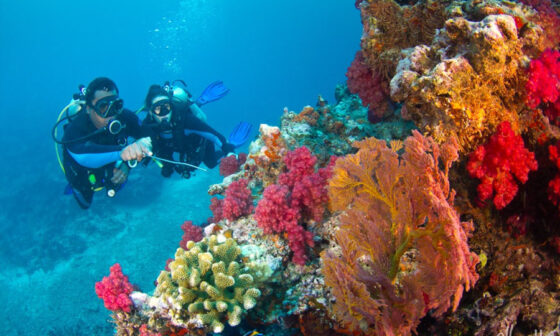
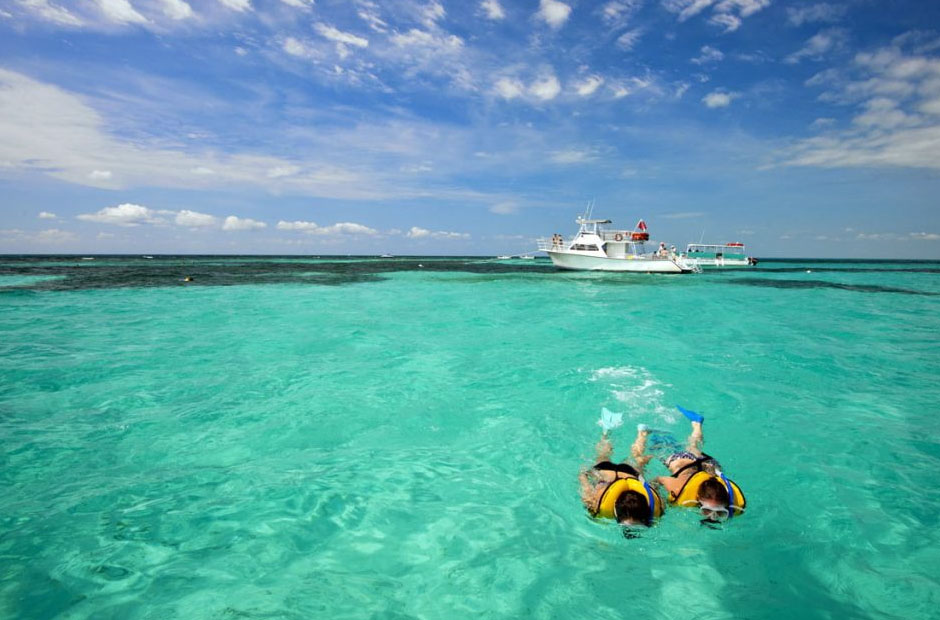
If your family loves the water, a Key West snorkeling trip might be more accessible than you’d expect. Several charter operators offer hands-on assistance and adapted equipment, making underwater exploration genuinely possible for guests with a range of mobility needs, just call ahead and ask specifically what they provide.
National Parks with Universal Design
The National Park Service has invested seriously in accessibility over the past decade, and it shows. You don’t have to miss out on the big parks just because trails are a concern.
Yellowstone has accessible boardwalks through the geothermal areas, so wheelchair users and families with mobility challenges can get up close to Old Faithful and the Grand Prismatic Spring. The park publishes detailed accessibility guides with maps showing accessible routes and facilities, download one before you go.
Great Smoky Mountains has the Oconaluftee River Trail, a paved path suitable for wheelchairs and strollers that delivers genuinely beautiful mountain and river scenery. Visitor centers across the park have accessible exhibits, theaters, and restrooms.
If your family enjoys camping, it’s worth looking into accessible campsites specifically, many campgrounds now offer level parking pads, accessible fire rings, and nearby accessible restrooms.
Urban Adventures for All
Cities tend to be the most comprehensively accessible destinations, which makes them underrated picks for inclusive family travel. Strong public transport, museums with real accessibility programs, and flat urban terrain all work in your favour.
Washington, D.C. is hard to beat. The Smithsonian museums offer wheelchairs to borrow, assistive listening devices, and sensory-friendly programs. The Metro has elevator access at most stations (always worth checking current status before you go). Most monuments have accessible viewing areas, and you can cover a huge amount of the city without spending a dollar.
San Francisco surprises people on accessibility. Yes, the cable cars are tricky, but the city has accessible buses and the F-line historic streetcars as alternatives. Fisherman’s Wharf and Pier 39 both have accessible pathways and facilities, and the flat Embarcadero is easy for wheels and strollers alike.
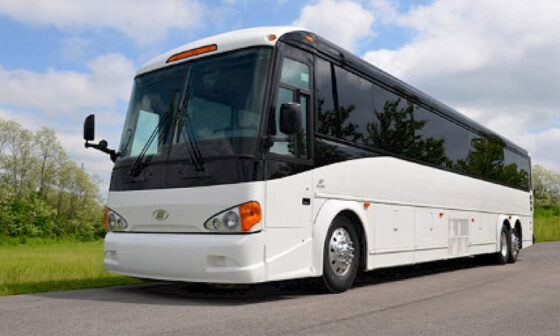
In any city, look for hop-on, hop-off tour buses that accommodate wheelchairs. They take the logistics of getting between attractions completely off your plate.
Accommodations That Welcome Everyone
The right accommodation can make or break an accessible trip. Don’t just tick the “ADA accessible” box, dig into the specifics.
Vacation rentals can be great for families because you get more space and control. Look for roll-in showers, grab bars, and accessible kitchen setups. Many rental platforms now have detailed accessibility filters and photos that show you exactly what you’re getting.
When booking hotels, look for accessible pools, spa facilities, and restaurants with flexible seating. Some chains go beyond the basics with visual alert systems, accessible fitness centers, and staff trained in disability awareness. When you book, request a specific room location, ground floor near the elevator, pool, and dining reduces how much you’re moving around the property each day.
Theme Parks and Entertainment Venues
Major theme parks have developed real accessibility programs, not just token gestures. If you do your research beforehand, these can be some of the most inclusive day trips you’ll take.
Disney’s Disability Access Service (DAS) issues return times for attractions so you’re not standing in long queues in challenging environments. The parks also have accessible transport, restaurants with flexible seating, and attraction-specific accessibility guides.
Universal Studios has a similar program with adapted queue access and detailed information about each ride’s accessibility requirements. Check their current program name and registration process before you visit, as these details do change.
One important note: many parks require advance registration or documentation to access certain services. Don’t leave this until the day.
Planning and Preparation Tips
A few practical things that make a real difference:
- Build rest stops into your itinerary — mark accessible restroom locations in advance and have a backup plan for weather or unexpected challenges
- Pack smart for flights — keep essential accessibility equipment and medications in your carry-on, and bring backup batteries for any powered devices
- Consider shipping bulky equipment to your destination rather than dealing with airline handling
- Research local resources — know where the nearest medical facility is and whether equipment rental is available at your destination
- Get travel insurance that specifically covers accessibility-related cancellations or changes; some policies address disabilities and chronic health conditions directly
Making Memories That Last
The best part of accessible travel isn’t the logistics, it’s what happens when everything comes together and your whole family is actually there, in the same place, having the same experience. That’s harder to pull off than a standard trip, and it’s worth so much more when you do.
When you find destinations and providers that get it right, leave them a review. Tell them what worked. Your feedback genuinely shapes how the travel industry develops, and it helps the next family trying to figure out the same thing you just did.