Why Outdoor Stewardship Belongs in Every Maintenance Plan
Your landscape lives in the open, under the full weight of sun, wind, and rain. Unlike interior rooms, it cannot be sealed, painted, and called done. Soil shifts. Roots search. Water carves quiet paths through low spots. A small lapse today can swell into a noticeable problem by next season. Treating outdoor care as core home maintenance, not a side project, guards the investment you already made in plants, irrigation, and hardscape, and it preserves the daily pleasure of stepping outside to a space that works.
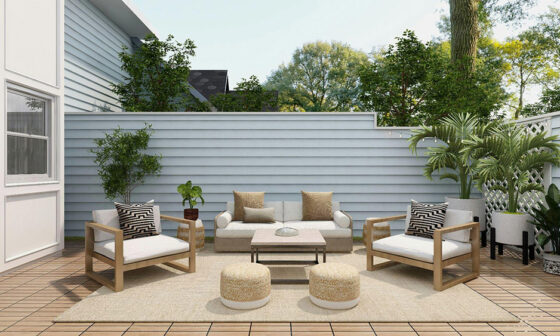
Outdoor living has grown into a major piece of how people use and judge a home. Patios and paths, terraces and vegetable beds, fire pits and lawns now function like additional rooms. When they fail, the whole property feels smaller. When they thrive, buyers see order, durability, and thoughtful planning. That impression turns into value.
Hidden Risks That Wear Down Yards and Gardens
Many threats move slowly. Soil compaction from foot traffic restricts air and water around roots, then lawns thin and beds flood or crust over. Poor drainage erodes slopes and exposes roots. Mulch breaks down and shrinks, leaving bare soil that bakes under summer sun. Irrigation issues are sneaky as well. Small leaks or misaligned heads waste water, foster fungus, and stain hardscape.
Animal pressure can strike quickly. Deer, rabbits, groundhogs, and birds can destroy a well-kept border in one night. Scare methods may work but fail when animals adjust. These stresses require multilayer solutions to preserve plants, soil, and structures.
Designing for Durability and Grace
Good landscape design anticipates wear and directs it. Create predictable movement with well placed paths that carry water and feet to the right places. Use durable surfaces where traffic is heavy, such as compacted gravel, pavers set over a stable base, or reinforced turf in narrow corridors. Transition materials so the eye flows and the ground holds. A path that widens at a bend invites slower steps and fewer shortcuts through beds.
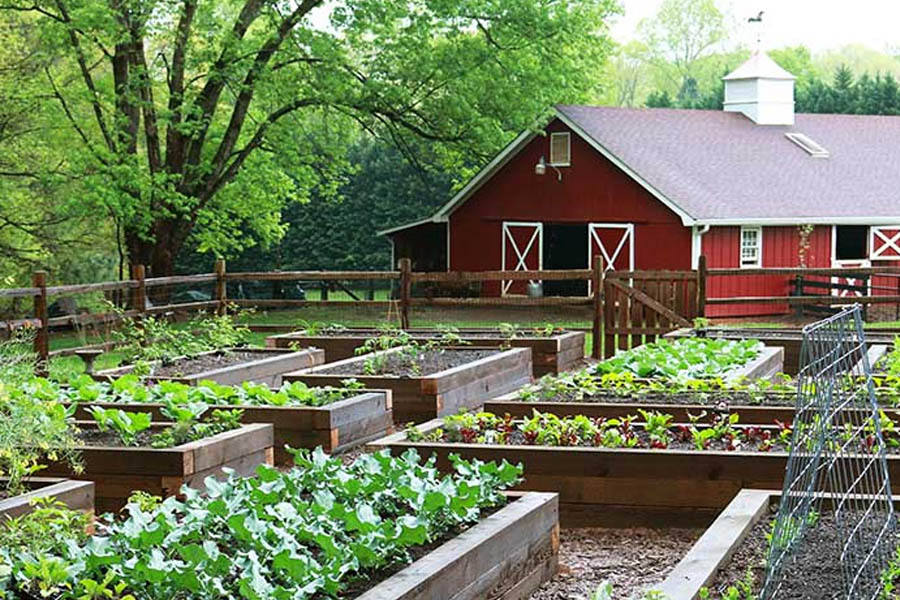
Raised beds protect soil from compaction and improve drainage. Defined edges around lawns and planting beds reduce nibbling by string trimmers and keep mulch in place. Select outdoor materials that are built for weather, from UV stable fabrics and furniture to hardware with corrosion resistant finishes. Design for proper fall and outflow so water leaves structures without cutting channels through your lawn.
Blending Boundaries Into the Landscape
Protection need not be fortified. Boundaries can frame views and add structure with scale and location. Hedging and low fences soften lines and block wind. Behind plantings, open rail or woven wire panels provide tiered screens animals respect and people rarely notice. Use gates on natural desire lines for intuitive movement. A barrier that feels like a polite handshake will be respected.
Where deer pressure is consistent, consider taller protective elements at the perimeter and more open solutions close to living areas. Neutral finishes and slender posts keep the look light. Climbing vines on panels or trellises blur the line further, turning a barrier into a vertical garden.
Planting for Strength and Self Repair
Plants can be armor as well as art. Choose native and climate adapted species that root deeply, recover from stress faster, and require less water and fertilizing. Layer ground covers under shrubs to protect soil, moderate temperature swings, and shade out weeds. In windy or sloped areas, use fibrous rooted grasses and perennials to stitch soil together. Mix bloom times and foliage textures to keep interest high while distributing risk across seasons.
Mulch matters. Maintain an even two to three inches around plantings, keeping mulch away from trunks and stems. This simple blanket retains moisture, reduces erosion, and buffers soil from heavy rain. Over time, organic mulch feeds the microscopic life that keeps soil springy and alive.
Responsible Wildlife Management
The aim is not to fight nature but to guide it. Start by removing easy invitations. Secure compost and bins, clean up fallen fruit, and use wildlife resistant bins for feed and seed. Position bird feeders away from beds you want to protect. Rotate scent based repellents so animals do not learn a pattern. Motion activated lights or sprinklers can interrupt nighttime browsing without harming animals.
For persistent visitors, pair deterrents with physical boundaries that are scaled to the species you face. Choose mesh size and height with care, ensure the bottom edge is tight to grade or pinned with stakes, and keep gates self closing. Check for gaps at grade transitions and along slopes. A small breach is an open door.
The Value Lens: How Buyers Read Outdoor Care
A tidy, functional exterior reads like a well kept car engine. Buyers cannot see every pipe or wire, so they rely on the landscape for signals. Crisp edges, healthy turf, and right sized trees that are clear of the roofline say the home has been cared for. Stable paths and steps reduce worry about future repairs. Clear boundaries and organized plantings suggest the site drains well and that erosion is under control.
The opposite is also true. Exposed roots, sediment at the base of slopes, muddy low spots, stained walls near downspouts, and chewed shrubs walk buyers straight to lower offers. Proactive protection keeps these red flags out of the picture and keeps value in your pocket.
Seasonal Checkups and Adaptive Protection
Outdoor systems change across the year. Make quick seasonal audits part of your calendar. In early spring, inspect grading, clean edges, refresh mulch, and test irrigation zones for leaks and coverage. In summer, watch for heat stress and compaction where gatherings concentrate. In autumn, prune for structure, clear leaves from drains, and seed thin turf. After winter, look for frost heave at paths and fence posts and reset where needed.
Protection should evolve with your landscape. As shrubs mature, a temporary fence might be lowered or removed. As trees expand, roots may redirect water, and your grading may need fine tuning. The goal is steady, modest adjustments that prevent sudden, costly fixes.
Comfort, Access, and Openness
Protection is successful when the space still feels welcoming. Keep sightlines open from house to garden rooms. Use see through fencing or hedges pruned to window height near primary views. Set gates flush with paths and keep thresholds level so carts, strollers, and wheelchairs glide. Provide small pull offs or widened landings where people pause, since these rest points prevent random footpaths through planting.
Lighting is part of comfort and defense. Gentle, shielded fixtures along routes support safe movement without turning the yard into a stage. Where night browsing is a problem, add motion response selectively, tuned to avoid constant triggers from wind.
Soil Care and Water Discipline
Think of soil as a living bank account. Every step you take on wet ground is a withdrawal, and every layer of compost or mulch is a deposit. Core aerate lawns that see heavy use. Top dress with compost in thin layers to build structure. Keep irrigation precise, matched to plant needs, season, and soil type. Water early and deeply, then let the top layer dry to discourage disease and shallow roots. Redirect downspouts into rain gardens or swales where feasible, turning potential erosion into hydration.
FAQ
How high should fencing be to deter deer without ruining the view?
Deer typically require a tall barrier, but you can achieve protection and keep the look light with slender posts and open panels. In many settings, a combination of strategic placement, slight elevation changes, and layered planting in front of the fence softens the appearance so the boundary reads as part of the garden, not a wall.
What is the simplest way to reduce erosion on a slope?
Start by slowing water and stabilizing soil. Add contouring with shallow terraces or check steps that catch runoff. Plant fibrous rooted grasses, ground covers, and shrubs in drifts. Mulch evenly, and direct downspouts away from the slope. Small changes that interrupt water speed make a large impact.
How often should I refresh mulch in beds and around trees?
Inspect mulch each season. Top up as needed to maintain a consistent layer of about two to three inches, keeping it pulled back from trunks and stems. In high wind or heavy rain areas, more frequent touch ups may be necessary to keep soil shielded and moisture stable.
What signs tell me my yard has compaction problems?
Look for puddling after light rain, thinning turf in high traffic areas, and roots that seem to sit on top of the soil. A simple test is to push a screwdriver into the ground. If it resists with little give, the soil is likely compacted. Core aeration, organic top dressing, and rerouting foot traffic can restore porosity.
Are repellents alone enough to keep wildlife out of gardens?
Repellents can help, especially when rotated, but they rarely hold up on their own where pressure is steady. Pair scent or taste deterrents with clean site practices and physical boundaries sized to the animals in your area. That combination creates a pattern animals learn to avoid.
What outdoor elements most influence buyer confidence during showings?
Buyers notice healthy plants, clean edges, stable and even paths, clear water management around downspouts and patios, and boundaries that look intentional. They also pay attention to tree placement relative to the roof and utilities, since that hints at long term maintenance and risk.