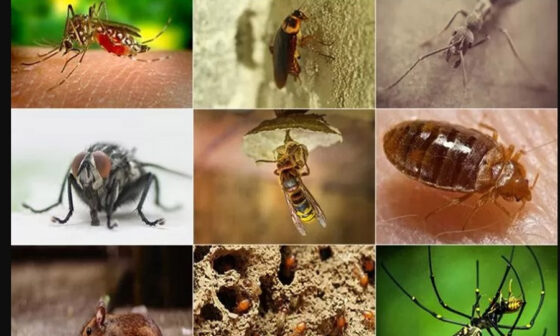
Few things disrupt a home faster than discovering pests where they do not belong. Ants trailing across the counter, scratching sounds in the attic, or unexplained wood damage can quickly shift a space from comfortable to stressful. In warm, humid regions like Florida, year-round heat and frequent rain create ideal breeding conditions for insects and rodents. That climate reality makes prevention more than a convenience; it becomes a necessary part of responsible homeownership.
Pests are not just a nuisance. They contaminate food, trigger allergies, and, in some cases, weaken the structural components of a home. Waiting until you see obvious signs often means the problem has already grown. Smart homeowners treat pest prevention as part of routine maintenance, just like servicing an HVAC system or cleaning gutters. Taking proactive steps protects both daily comfort and long-term property value.
Sealing the Gaps: Why It’s So Hard to Completely Pest-Proof a Home
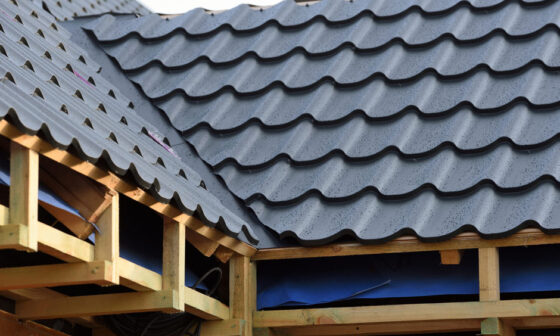
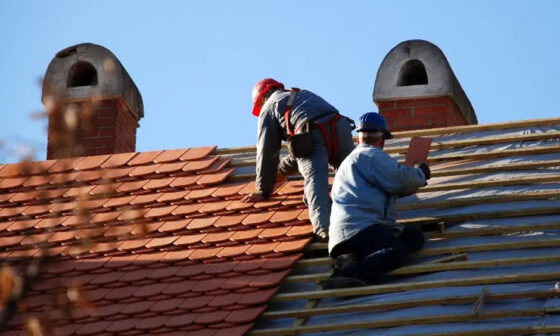
Most homeowners start with the basics. They seal visible cracks, replace worn weather stripping, and patch obvious openings around doors and windows. Those steps absolutely help. The challenge is that homes naturally shift over time, creating tiny gaps around foundations, utility lines, attic vents, and rooflines. Many of these vulnerabilities are easy to miss during a quick inspection.
That is where professional insight becomes valuable. A trained technician knows how pests travel and where they typically enter. While do-it-yourself sealing reduces risk, partnering with a trusted pest control company offers a more thorough evaluation of hidden access points. Professionals assess crawl spaces, drainage areas, and structural seams, then recommend targeted solutions that create a customized barrier around the property.
Common Entry Points: Gaps, Cracks, and Weep Holes
Even small openings can serve as highways for pests. Foundation cracks, loose siding, damaged door sweeps, and gaps around window frames often provide easy access. Brick homes also contain weep holes that allow moisture to drain. These openings are essential for structural health, but without proper screening, they can invite insects indoors.
Homeowners can reduce risk with consistent maintenance. Replace worn weather stripping and install tight-fitting door sweeps. Seal exterior cracks with high-quality caulk designed for outdoor use. Add fine mesh covers to weep holes to block insects while preserving airflow. A careful walk around the exterior every few months can reveal problems before they turn into infestations.
Attractants in the Kitchen: Food Waste and Standing Water
The kitchen naturally attracts pests because it provides reliable food and water sources. Crumbs under appliances, grease buildup on stovetops, and open pantry containers make it easy for ants and roaches to take up residence. Pet food bowls left out overnight also create steady feeding spots that pests quickly learn to revisit.
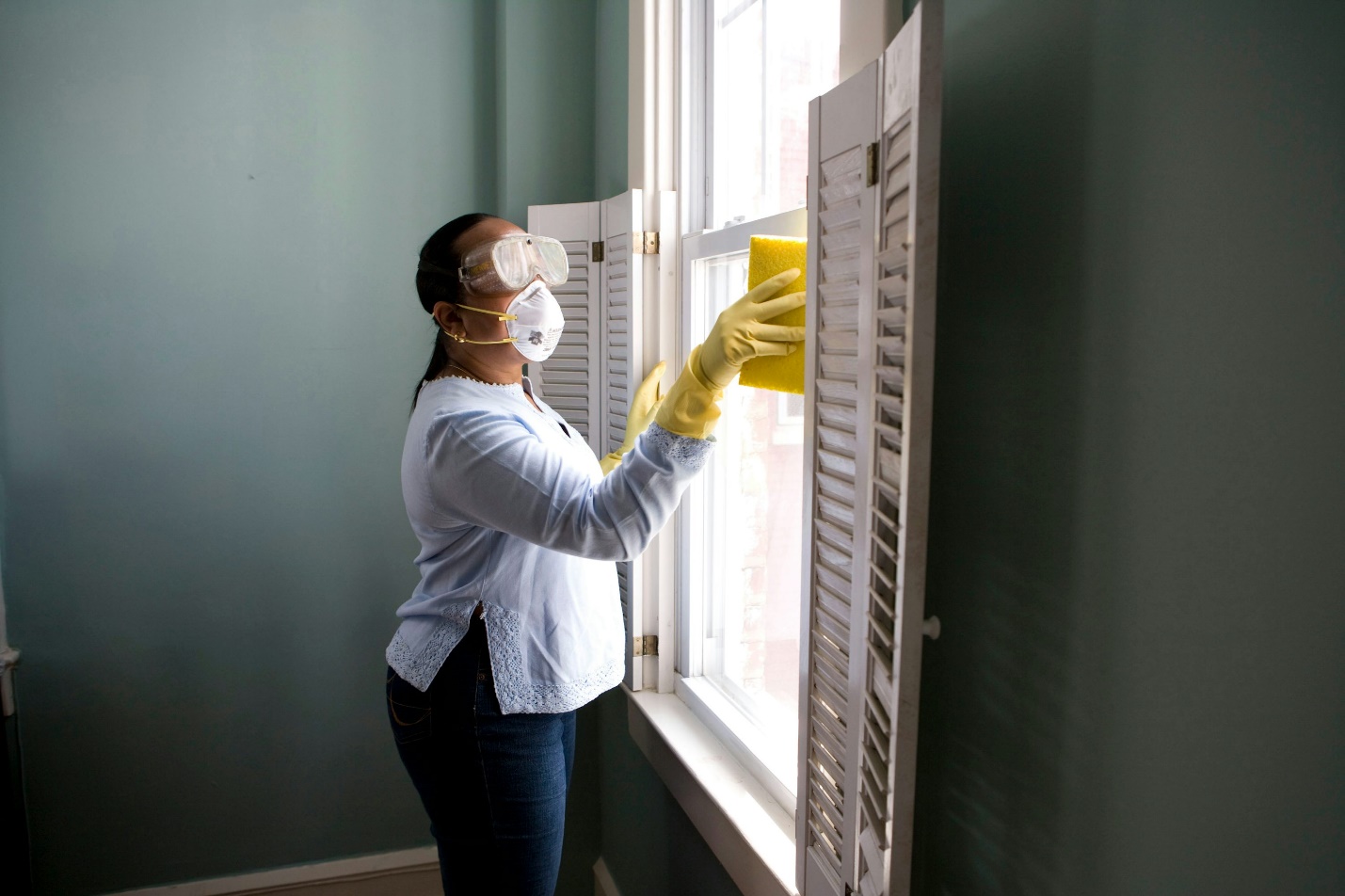
Moisture is just as important as food. Leaky pipes, dripping faucets, and condensation under sinks supply the water insects need to survive. Make nightly cleanups a habit. Store dry goods in airtight containers and empty trash regularly. Fix plumbing leaks promptly and wipe down damp surfaces. When you remove both food and moisture, you dramatically reduce the reasons pests have to stay.
Seasonal Pest Surges: How Weather Changes Drive Infestations
Weather patterns strongly influence pest behavior. Heavy rain can flood underground nests, pushing ants and roaches toward dry indoor spaces. Extended heat waves force insects to seek cooler shelter, often inside air-conditioned homes. When temperatures drop, rodents look for warmth and steady food sources. These seasonal shifts explain why infestations sometimes seem to appear suddenly.
You can stay ahead of these cycles by adjusting your maintenance routine throughout the year. Schedule inspections before peak seasons, especially in spring and fall. Check attic vents, foundation lines, and garage seals as temperatures change. By anticipating weather-driven movement, you reduce the likelihood of unwanted surprises indoors.
Wood-Destroying Organisms: Termites and Carpenter Ants
Termites and carpenter ants pose a greater concern because they damage the structure itself. Unlike surface pests, they often work behind walls or beneath flooring, making them difficult to detect. Over time, they weaken beams, subfloors, and framing components. Repairing that damage can become costly if the problem goes unnoticed.
Watch for subtle warning signs. Mud tubes along foundations, hollow-sounding wood, bubbling paint, or small piles of wood shavings deserve attention. Moisture control plays a major role in prevention, so keep gutters clear and ensure proper drainage away from the home. Routine inspections provide an added layer of protection against long-term structural harm.
Yard Maintenance Matters: Mulch, Woodpiles, and Vegetation
Your yard directly affects pest pressure inside the home. Stacked firewood, thick mulch layers, and dense shrubs create cool, sheltered environments where insects and rodents thrive. When these materials are too close to the structure, pests can easily access exterior walls and foundations.
Maintain a clear buffer zone around the home. Store firewood well away from the foundation and elevate it off the ground. Keep mulch at a moderate depth and avoid piling it against siding. Trim tree branches and shrubs so they do not touch the roof or exterior walls. Thoughtful landscaping reduces hiding spots and limits entry opportunities.
The Identify Before You Treat Rule
Correct identification determines whether a treatment plan succeeds or fails. Ants and termites may appear similar at a glance, but they require entirely different solutions. The same is true for bees and wasps, or mice and rats. Applying the wrong method wastes time and may even worsen the problem.
Pay attention to patterns. Note where you see activity, the time of day it occurs, and any visible damage or droppings. Clear documentation helps narrow down the culprit. When uncertainty remains, seeking expert guidance ensures you address the root issue rather than just the visible symptoms.
Building a Reliable Prevention Strategy
Effective pest prevention rests on three consistent habits: sanitation, exclusion, and monitoring. Keep living areas clean and dry, so pests have no food or water. Seal openings and maintain exterior features to block entry. Inspect your home regularly so small concerns do not escalate.
A proactive approach saves money and reduces stress over time. Instead of reacting to infestations, you create conditions that discourage them from starting. With steady maintenance and informed decisions, you protect both your investment and the comfort of your everyday living space.