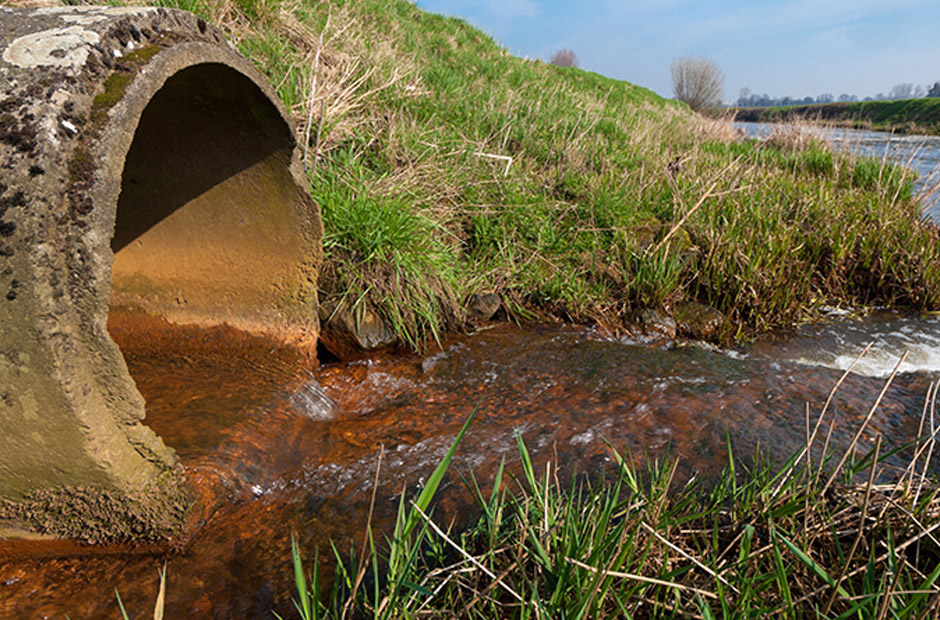
Stormwater inspections are essential for preventing pollution and protecting the environment. These inspections reduce contamination from runoff, improving water quality. They help identify pollutants and prevent them from reaching water systems.
SWPPP inspections offer a framework for identifying and addressing pollution sources. A thorough inspection process ensures that stormwater systems function properly and comply with regulatory standards. Proper procedures are crucial for long-term pollution prevention.
Conduct Thorough Site Assessments Before the Inspection
A comprehensive site assessment is crucial before conducting a stormwater inspection. It helps identify areas prone to runoff, such as drainage paths or eroded zones. Inspectors should assess the land slope, vegetation, and potential pollutant sources. Evaluating these factors ensures that no significant areas are missed during the inspection. This preliminary step lays the foundation for an effective stormwater inspection.
Use a Detailed Checklist to Track Inspection Points
A checklist is an important tool for tracking inspection points and ensuring all areas are covered. It acts as a guide to review all components of the stormwater system. Key items such as drainage systems, sediment control devices, and discharge points should be included. A checklist ensures thorough examination and creates a record of findings for future reference. This method enhances consistency and accuracy throughout the inspection process.
Leverage Technology to Streamline the Inspections
Stormwater inspection software enhances the efficiency of SWPPP inspections. It allows inspectors to record data quickly, track issues in real time, and schedule follow-up inspections. These tools help generate reports, document findings, and analyze trends. Using technology ensures that inspection results are organized and easily accessible. It streamlines the entire process, saving time while improving accuracy. The software also provides real-time updates, ensuring that teams are always working with the most current information.
Implement a Schedule for Routine Inspections
A well-planned inspection schedule supports ongoing stormwater system management. Regular inspections help detect problems early, preventing pollution from escalating. A clear schedule ensures inspections are conducted regularly and reduces the risk of system damage. Timely maintenance and follow-ups address potential issues before they become severe. Routine inspections are essential for effective stormwater management.
Set Regular Time Intervals for Inspections
Scheduling inspections at consistent intervals guarantees thorough checks. Whether weekly, monthly, or quarterly, regular intervals help detect problems before they worsen. Consistent scheduling ensures reliable management of stormwater systems.
Monitor Seasonal Changes and Adjust Inspection Frequency
Weather patterns influence stormwater system performance. Adjusting inspections based on seasonal changes ensures risks are managed effectively. During periods of heavy rainfall, more frequent inspections may be necessary to maintain proper system function.
Train Inspectors to Identify Specific Pollution Risks
Proper training of inspectors is crucial for identifying pollution risks. Inspectors should be familiar with common pollutant sources, such as construction sites, industrial runoff, and poor vegetation management. Ongoing training ensures inspectors remain current with best practices and emerging risks. Well-trained inspectors can identify subtle contamination signs, improving inspection outcomes. Specialized training equips inspectors with the skills needed to mitigate pollution risks.
Effective stormwater inspections are vital for pollution prevention and environmental protection. Following these key tips ensures thorough, consistent inspections focused on identifying potential issues before they escalate. Implementing practices like site assessments, checklists, and routine inspections enhances the quality of stormwater inspections. Organizations that prioritize these best practices will manage stormwater effectively and prevent pollution. Start adopting these strategies today to improve stormwater management efforts.