Why a Metal Facility Beats Conventional Builds
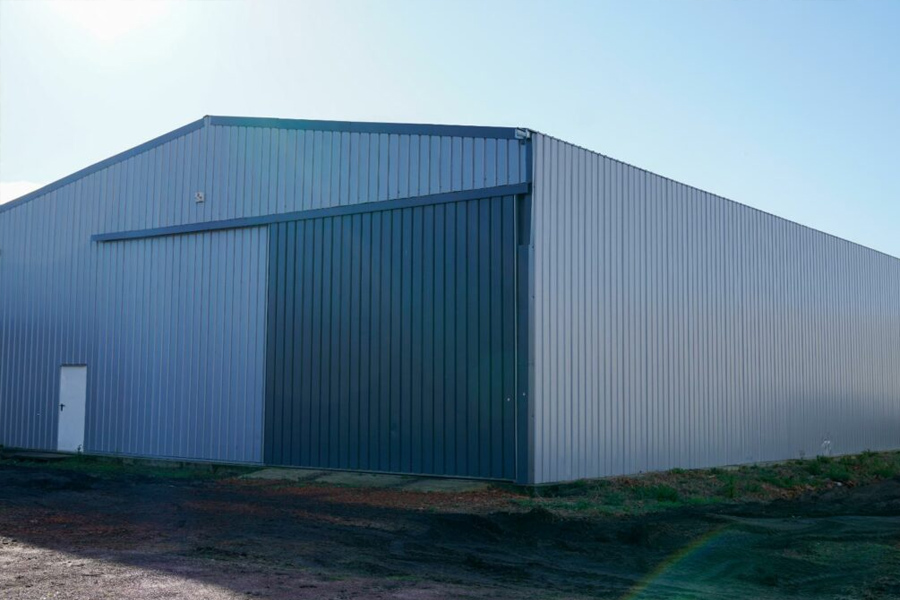
Storage is not just space. It is the spine of an operation, the quiet backbone that keeps goods secure and workflows moving. When operating costs rise, even large footprints can feel small. A metal warehouse delivers more than a roof and four walls. It combines durable protection, thoughtful engineering, and adaptable layouts that keep budgets steady and assets safe. Business owners, warehouse managers, and logistics teams find that the right metal facility behaves like a well tuned machine, keeping risk low and efficiency high as needs evolve.
Fast Assembly Cuts Startup Costs
Speed is the first dividend of a metal warehouse. Pre engineered components arrive ready for efficient assembly, which reduces onsite labor and compresses timelines. Crews spend less time measuring and cutting and more time placing and fastening. That shorter schedule drops installation expense and accelerates the moment when storage operations can begin. It avoids the lingering framing and finishing phases that often extend conventional builds. The result is a lower upfront investment, reduced carrying costs, and faster access to revenue generating space.
Clear Span Interiors Expand Usable Area
Space is only valuable when it is usable. Metal warehouses frequently provide clear span interiors without interior columns. Forklifts can glide in smooth paths. Pallet racking can run long and uninterrupted. Bulk storage zones can stretch without awkward breaks. With fewer obstructions, managers can reconfigure layouts quickly to accommodate inventory shifts, seasonal peaks, or new equipment. More usable volume pushes the effective cost per square foot down and increases storage density. In practice, it feels like moving from a maze to a wide open field, where every square foot works harder.
Durable Shell Keeps Maintenance Low
Steel stands up to pests, moisture, and fire better than many traditional materials. That resilience pays off slowly and steadily. Fewer repairs, fewer surprises, fewer interruptions. Operations stay predictable because the building acts as a steadfast barrier against weather and wear. Over the years, lower maintenance demands trim overhead and reduce downtime. The facility becomes a quiet guardian, protecting goods while minimizing the attention it requires. Low upkeep is not just a budget win. It is a planning win that stabilizes schedules and labor.
Energy Smart Design Trims Utility Bills
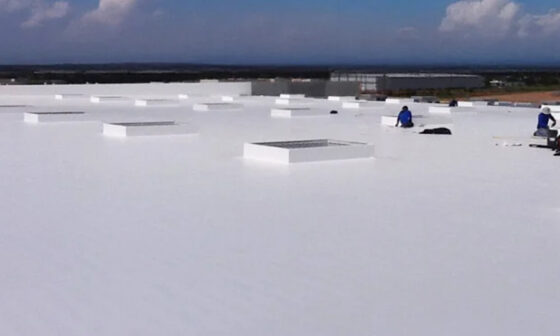
Utility expenses cut margins. Metal warehouses can have insulated panels, reflecting surfaces, and balanced ventilation to maintain inside temperatures. Heating and cooling demands decrease with insulation. Sunlight is modulated via reflective roofs. Ventilation improves air quality and disperses roofing heat. These measures conserve energy and protect sensitive objects within. Lower monthly bills make energy efficiency a long-term financial tool beyond construction.
Customization That Mirrors Your Workflow
One size fits none in modern storage. Metal building systems can be tailored to match specific processes and equipment. Design options include dock positions, oversized doorways, varied clear heights, mezzanines for vertical staging, and integrated office pods for supervision and inventory control. When a warehouse aligns with the work it hosts, teams move faster and safer. You avoid paying for redundant square footage that does not add productivity. Investing in features that directly support workflows multiplies value. Every doorway, aisle, and platform becomes part of a choreography that cuts time and cost.
Expandable Framework for Future Demand
Growth is not a guess. It is a plan. A metal warehouse can be designed for smooth expansion, whether through added bays, end wall extensions, or reconfigured interiors. This flexibility lets decision makers start with a right sized footprint, then scale without expensive tear downs or prolonged disruption. Expansion becomes incremental and manageable, with lead times and costs contained. Think of it like an accordion. The structure can stretch along with demand, keeping capital expenditure aligned with real needs while protecting continuity of operations.
Operational Efficiency and Safety
Metal warehouses make organization easier. Wide aisles, clear sightlines, and logical lift paths reduce congestion and near misses. Defensible perimeters, secure doors, and durable walls strengthen asset protection. Lighting integrated into the structure improves visibility for scanning, picking, and inspection tasks. Even safety features such as guard rails, bollards, and marked zones fit neatly into clear span plans. The layout itself becomes a force multiplier. Fewer obstacles, cleaner flows, and predictable patterns help teams perform consistently and safely day after day.
Adapting Across Industries
From manufacturing and e commerce fulfillment to agriculture, automotive parts, and cold storage, metal warehouses adapt with ease. Heavy equipment bays with higher clear heights, bulk grain areas with controlled ventilation, or climate moderated zones for pharmaceuticals can all be configured within the same structural system. Specialized coatings or materials can be chosen to resist corrosion or maintain hygiene standards. The same framework supports varied industries without forcing costly redesigns. In this way, a single structure becomes a flexible stage that can host many different operations over its lifespan.
Cost Control Beyond Construction
Total cost of ownership determines whether a storage solution truly pays off. With metal warehouses, savings unfold in stages. Costs drop at assembly through faster installation. Ongoing maintenance remains modest thanks to steel’s durability. Energy consumption falls with insulated envelopes and reflective design. Layout efficiency accelerates throughput and reduces labor hours. Scalability prevents overspending upfront. Each element contributes to an ecosystem of savings that compound, turning the building into a financial instrument that protects margins while supporting growth.
Designing for Workflow and Growth
Performance starts with a plan. Map material flows from receiving to storage to dispatch. Size dock aprons for safe maneuvering. Align door positions with high traffic equipment. Establish clear heights that fit racking and lift models. Place mezzanines where vertical staging would remove pressure from the floor. Leave room at end walls or side bays for future expansion. The building is a canvas. The operational picture you draw on it determines how efficiently teams work and how easily the facility adapts to tomorrow’s needs.
FAQ
What makes a metal warehouse cost effective compared to concrete or wood?
Metal warehouses use pre engineered components that reduce onsite labor and shorten build time. Clear span interiors maximize usable area, which lowers the effective cost per square foot. Steel’s durability cuts maintenance and repair expenses across the building’s life. Energy efficient envelopes trim monthly utilities. Expandable design avoids oversizing upfront and lets capital spending track growth, creating a favorable total cost of ownership.
How long does a typical pre engineered metal warehouse take to assemble?
Timelines vary by size, complexity, and site conditions, but metal systems often assemble significantly faster than conventional builds. Weeks instead of months is common for moderate footprints. Pre engineered framing, standardized connections, and factory fabricated panels reduce onsite fabrication, which speeds up erection and shortens the path to operational readiness.
Can metal buildings handle heavy snow or high winds?
Yes, when engineered for local codes and conditions. Structural systems are designed to meet defined snow loads, wind loads, and seismic requirements. Proper roof pitch, bracing, and panel selection all contribute to performance under harsh weather. Working with qualified professionals ensures the building’s specifications align with regional challenges and regulatory standards.
How do insulation and ventilation reduce energy costs?
Insulation decreases heat transfer through walls and roofs, which cuts heating demands in winter and cooling loads in summer. Reflective roofing helps moderate solar gain. Ventilation disperses trapped heat near the roofline and maintains air quality, preventing hot zones that drive up cooling costs. Together, these features stabilize interior temperatures and lower energy consumption, which reduces utility bills.
Is it easy to expand a metal warehouse later?
Expansion is a core advantage. Designers can plan for future bays, end wall extensions, or interior reconfigurations that integrate with the original structure. Modular components and standardized connections simplify tie ins. This approach allows growth without major demolition or long downtime, keeping the operation moving while capital outlays stay proportionate to demand.
What custom features are most valuable for storage operations?
Dock layout and quantity, oversized doors for fast access, clear heights that fit racking and lift equipment, mezzanines for vertical storage, and integrated office or QC spaces are frequent winners. Lighting and ventilation tailored to the tasks at hand boost productivity. Safety elements such as guard rails, bollards, and clearly marked paths round out the list, turning the building into a reliable partner for daily work.