Begin With a Clear-eyed Property Audit
Selling well starts with seeing the home as buyers will. Step back and evaluate the property with objectivity. Look at structural soundness, mechanical systems, functionality, cosmetic condition, curb appeal, and how the home stacks up against nearby listings and recent sales. A thorough assessment avoids random projects and channels effort into improvements that matter.
Pre-listing inspections are increasingly common across the United States and Canada because they surface issues before they become negotiation roadblocks. Aging roofs, dated electrical panels, slow drains, drafty windows, and insulation gaps often hinder buyer confidence. Addressing core concerns early leads to cleaner offers and fewer surprises after the accepted offer.
Interior Fixes With Reliable Return
Buyers want spaces that feel fresh, bright, and move-in ready. Focus on improvements that deliver broad appeal without heavy cost.
Reset with fresh paint. It covers scuffs and neutralizes old color schemes. Light, neutral tones like soft white, warm beige, and light gray create a serene, modern atmosphere and expand rooms. Paint unites spaces, making the home feel coherent.
Flooring sets the visual foundation. Worn carpet, scratched hardwood, or broken tiles signal deferred maintenance. Replacing damaged materials or refinishing existing hardwood elevates the entire look. If full replacement is not feasible, professional cleaning, spot repairs, and strategic area rugs can dramatically improve the perception of care.
Lighting is the stage crew of a home. Good light showcases layout and finishes. Swap dim bulbs for bright LEDs, update dated fixtures with simple modern designs, and use layered lighting so living areas feel inviting. In bathrooms and kitchens, brighter task lighting helps these high-traffic spaces feel practical and crisp.
Kitchens and bathrooms influence decisions, but complete overhauls rarely pay off right before listing. Opt for targeted refreshes. Replace leaky faucets. Update cabinet hardware. Re-caulk and re-grout. Refinish cabinets rather than replacing them. Repair cracked tiles and install clean, contemporary lighting. These small steps lift perceived value without the cost of a full renovation.
Elevate Curb Appeal For Powerful First Impressions
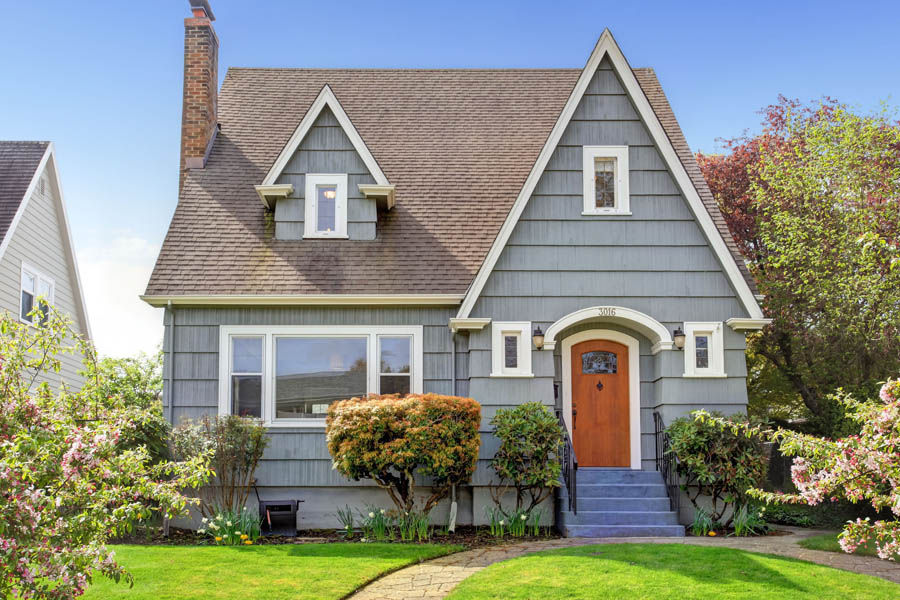
The exterior is the handshake of the home. Buyers form opinions within seconds, so curb appeal can tilt the entire experience in your favor.
Start with landscaping. Trim shrubs, edge lawn areas, add fresh mulch, and remove weeds. Clear pathways and tidy borders signal that the property is well cared for. In colder climates, keep walkways ice-free and entries clean. Seasonal planters provide a welcoming touch without major expense.
Clean the exterior. Power washing siding, decks, and driveways removes grime and brightens surfaces. Gutters cleared of leaves and windows free of streaks contribute to an overall sense of order.
Rework the entry. A solid, freshly painted front door, modern house numbers, and a sturdy, stylish mailbox make a strong statement. Replace burned-out bulbs, add a tasteful sconce, and ensure the doorbell works. The front threshold should convey pride of ownership.
Declutter, Depersonalize, and Shape the Layout
Presentation sells space. Clutter shrinks rooms and distracts attention. Depersonalizing helps buyers imagine their life in the home rather than yours. Thoughtful layout turns square footage into a livable narrative.
Declutter purposefully. Remove excess decor and bulky furniture to open visual flow. Keep surfaces clear and storage half full to showcase capacity. The goal is simple lines, open sightlines, and comfortable circulation.
Depersonalize without making rooms sterile. Limit family photos and niche collections. Choose universal decor elements that feel warm yet neutral. This balance lets buyers place themselves in the scene.
Staging principles bring structure. Assign a clear purpose to each room. Arrange furniture to highlight focal points like fireplaces and windows. Use balanced proportions and symmetry where possible. Add fresh linens, restrained artwork, and greenery to inject life without noise. Staging helps buyers connect emotionally while underlining function.
Make Practical Energy Efficiency Improvements
Efficiency matters to buyers who value comfort and cost savings. Smart upgrades can reduce utility costs and strengthen the home’s market position.
Start small. Weatherstrip drafty doors and windows. Install programmable thermostats. Replace incandescent bulbs with LEDs. Add low-flow showerheads and faucet aerators. These changes are affordable and suggest the home is tuned for sensible living.
Consider bigger measures when competitors raise the bar. Attic insulation, garage door insulation, and better windows can improve hot and cold comfort. Buyers seeking steady utility prices and reliable performance may prefer a well-chosen HVAC replacement for older equipment nearing its end of life. Before investing, compare your property to surrounding properties and prioritize local market-changing upgrades.
Repair Before You Replace
Repairs often deliver the best return because they remove friction during showings and inspections. Fix slow drains, squeaky hinges, sticky locks, chipped drywall, and wobbly rails. Replace cracked switch plates, touch up trim, and re-secure loose handrails. Re-grout tile and refresh caulk lines in kitchens and bathrooms to clean up edges that draw the eye.
Address minor roof issues, such as missing shingles or worn flashing, promptly. Small fixes keep the home looking well maintained and reduce the chance of last-minute concessions. Repairing first shows diligence and lets bigger-budget items remain optional.
Know When to Skip Renovations
Not every project belongs on the pre-listing checklist. Upgrades that outpace neighborhood norms often fail to recoup their cost. Luxury finishes in a modest area can backfire. Splurge only when the market supports it and the competition sets a higher standard.
Avoid heavy customization that narrows appeal. Bold patterns, dramatic built-ins, or unique room conversions can turn away buyers who prefer flexibility. Resist trend-chasing that may age quickly. Aim for timeless, clean lines and broad utility.
Present the Home With Professional Precision
Online presentation drives foot traffic. Great photos and honest descriptions spark interest and earn showing requests. Clean before the photoshoot. Open blinds. Turn on all lights. Hide cords. Use simple, balanced styling so rooms read clearly.
Professional photography can showcase scale and flow with accurate composition and consistent lighting. If virtual tours are common in your area, ensure the space is decluttered and well lit so the experience feels seamless. Write listing copy that highlights upgrades, clarifies room uses, and conveys the lifestyle the home offers. Accuracy builds trust. Clarity converts clicks into showings.
FAQ
What is the most cost-effective interior upgrade before listing?
Fresh, neutral paint is typically the strongest value play. It makes rooms feel newer, cleaner, and more spacious. Paired with brighter lighting and minor touch-ups, paint can transform the way buyers perceive the entire home.
Should I replace carpet or clean it?
If carpet is heavily stained, worn, or odorous, replacement is wise. If fibers are still in good shape, a professional deep clean can restore appearance. When budgets are tight, focus on the worst areas first and use area rugs to improve visual continuity.
Do small kitchen and bathroom updates really move the needle?
Yes. New faucets, modern hardware, refreshed caulk and grout, and better lighting create a sense of care and modernity. Buyers often react to the feeling of an updated space more than to brand-new cabinets or costly countertops.
How much landscaping is enough for curb appeal?
Aim for tidy and intentional rather than elaborate. Trim shrubs, edge lawn borders, lay fresh mulch, and clear pathways. Add simple, seasonal plants near the entry. The goal is a clean, welcoming look that suggests consistent maintenance.
Which energy upgrades should I prioritize first?
Start with quick wins that reduce drafts and improve comfort. Weatherstripping, LED bulbs, and programmable thermostats are low cost and high impact. If your market favors efficiency, consider better insulation or window upgrades based on how your home compares to local listings.