Warehouses are the backbone of supply chains, playing a crucial role in how businesses manage inventory, fulfill orders, and meet customer demands. As industries evolve, the expectations for warehouse efficiency and productivity have grown significantly. To stay ahead, companies must adopt solutions that not only enhance operations but also provide long-term value. By integrating high-quality materials with advanced technology, businesses can modernize their warehouses to function seamlessly and cost-effectively. This article explores how these two elements, when combined, can transform any warehouse into a modern powerhouse of efficiency.
The Importance of High-Quality Materials in Warehouse Operations
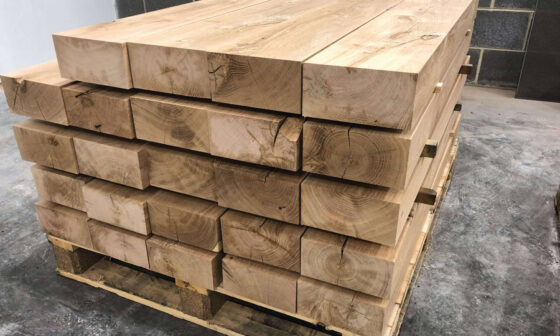
Materials form the backbone of any warehouse. Whether it’s shelving, flooring, or containers, the quality of the materials used directly impacts the efficiency and durability of the operations. Opting for premium materials ensures longevity, reduces maintenance costs, and enhances worker safety.
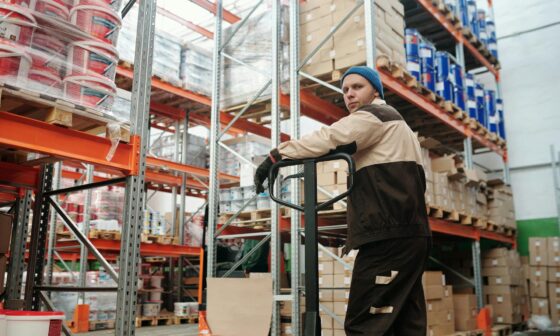
For instance, using sturdy shelving units made from galvanized steel or reinforced alloys ensures that they can bear heavier loads without buckling. High-grade flooring materials, such as anti-slip vinyl or concrete reinforced with polymer additives, not only extend the life of the warehouse floors but also provide a safer environment for employees, minimizing the risk of accidents.
Additionally, investing in durable packaging materials and containers can prevent damage to goods during storage and transportation. By using premium boxes, pallets, and crates, companies reduce product loss and enhance the integrity of their supply chain.
How Smart Technology is Shaping Modern Warehouses
Technology is revolutionizing the way warehouses operate. From automation to inventory management, there are countless ways smart tech can streamline operations and improve efficiency.
Warehouse Management Systems (WMS) are among the most impactful tech innovations. These systems enable real-time tracking of inventory, automate reordering, and provide valuable insights into stock levels, helping companies maintain an optimal supply chain. By adopting a WMS, businesses can reduce human error, improve stock accuracy, and avoid costly overstocking or stockouts.
Moreover, the introduction of robots and automation can significantly increase productivity. Autonomous Mobile Robots (AMRs) are now commonplace in warehouses, helping with tasks such as sorting, picking, and packaging. These robots can work 24/7, reduce labor costs, and increase throughput by speeding up previously time-consuming tasks.
Internet of Things (IoT) devices are another technological advancement gaining traction in warehouse management. IoT sensors can track the condition of goods, monitor temperature-sensitive products, and provide real-time data to managers. This data-driven approach allows for immediate action if something goes wrong—whether it’s a machine malfunction, temperature fluctuation, or low stock levels.
Furthermore, AI and machine learning algorithms are now being used to predict demand, optimize inventory levels, and even recommend optimal storage locations based on previous trends. This predictive technology can improve the overall supply chain efficiency by helping businesses prepare for demand fluctuations before they occur.
Combining Premium Materials and Smart Technology for Maximum Efficiency
The real magic happens when high-quality materials and smart technology are integrated to complement each other. For example, a robust and durable shelving system combined with a WMS can allow for real-time tracking and automated restocking, ensuring that the warehouse runs smoothly without human intervention.
Advanced robotics, which rely on durable, high-quality materials, can work in tandem with AI-powered inventory management systems to further boost productivity. With a high-grade material foundation in place, the robots are less likely to experience wear and tear, leading to longer lifespans and fewer disruptions to daily operations.
Another example of this synergy is in temperature-controlled environments. High-quality insulation materials paired with IoT sensors that monitor temperature levels can ensure that perishable goods are stored at the correct conditions, reducing spoilage and waste.
Partnering with Experts in Warehouse Solutions
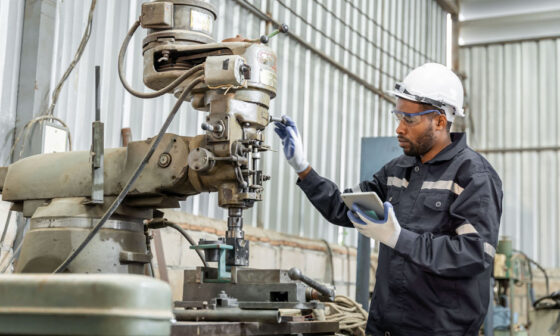
Integrating both premium materials and advanced technology requires expertise. Many businesses seek professional help to design and implement efficient warehouse systems. One such expert is Iron Bull Manufacturing, a company that specializes in designing and building high-quality custom warehouse solutions. Their expertise in combining strong materials with modern technologies allows businesses to optimize their warehouse operations, enhancing efficiency and reducing downtime.
The Role of Data and Analytics in Warehouse Revamping
In modern warehouses, data is king. Whether it’s through inventory tracking or performance analysis, the insights gained from data analytics can guide decisions that lead to cost savings and operational improvements. By collecting data on every aspect of warehouse performance—from stock levels to delivery times—businesses can identify inefficiencies and take proactive steps to fix them.
Advanced analytics can also help optimize warehouse layout and design. By analyzing data on movement patterns within the warehouse, businesses can redesign storage areas to reduce unnecessary travel time for workers, ultimately improving overall efficiency.
The Future of Warehouses: Automation and Sustainability
The future of warehousing is undeniably tied to sustainability. As businesses increasingly look to reduce their environmental footprint, the combination of high-quality materials and smart technology can support these efforts.
Sustainable materials, such as recycled metal shelving or energy-efficient lighting systems, are becoming more common in warehouse designs. Meanwhile, smart technologies, like energy-efficient robots and AI algorithms that optimize energy usage, further reduce the environmental impact of warehouse operations.
Additionally, warehouses that utilize automation and smart tech can reduce waste and improve resource allocation. Predictive analytics can ensure that products are ordered only when necessary, cutting down on excess inventory and waste.
Conclusion: Why Upgrading Your Warehouse Matters
In conclusion, modernizing a warehouse by using premium materials and integrating cutting-edge technology is no longer just an option—it’s a necessity for businesses aiming to stay competitive. High-quality materials improve the durability and safety of your warehouse, while smart technology optimizes efficiency, reduces costs, and drives productivity.