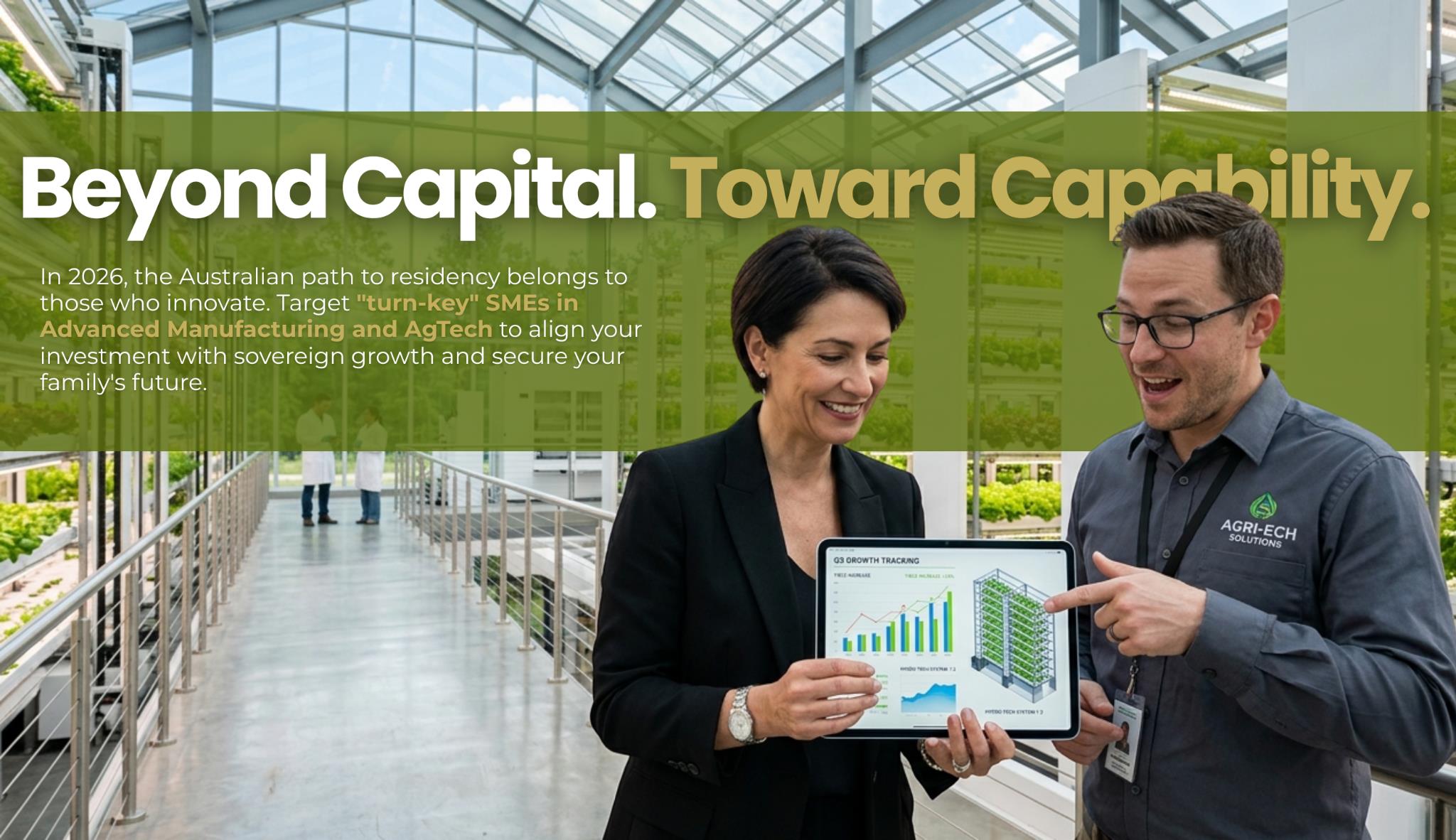
The regulatory landscape of Australian migration in 2026 is defined by a surgical focus on economic impact. For high-net-worth investors and seasoned entrepreneurs, the path to residency is no longer just about capital; it is about strategic alignment with the nation’s future-facing industries. The Business Innovation and Investment Program (BIIP) has undergone significant shifts, moving away from passive investment toward active participation in sectors that the Australian government has flagged for sovereign capability and long-term growth. Navigating this environment requires a dual mastery of immigration compliance and commercial due diligence to ensure that your chosen venture provides both a life in Australia and a robust return on investment.
As we progress through 2026, the Australian government’s “Future Made in Australia” framework has recalibrated the priorities for business migrants. The goal is to attract “turn-key” operators who can help scale the “missing middle”—those small-to-medium enterprises (SMEs) that possess innovative technology but require the capital and management expertise that international business leaders bring. By targeting compliant, established businesses, migrants can satisfy the rigorous requirements of the Subclass 188 visa stream while positioning themselves in sectors bolstered by federal subsidies and high consumer demand.
The 2026 BIIP Landscape: Active Innovation Over Passive Capital
In 2026, the criteria for the Business Innovation and Investment (Provisional) visa (subclass 188) demand a demonstrable link between the migrant’s background and their proposed Australian venture. The “Business Innovation” stream, in particular, remains a primary pathway for those looking to manage a local entity. The financial thresholds have stabilized, requiring net personal and business assets of at least AUD 1.25 million and a business turnover of AUD 750,000 in two of the four fiscal years prior to the invitation to apply.
However, the “points test” has become more nuanced. Beyond age and English language ability, authorities now look favorably upon innovation indicators such as patents, trademarks, or experience in export trade. The 2026 regulatory environment explicitly prioritizes applicants who can contribute to Australia’s “Critical Technologies” list. This means that an investor who acquires a business with a component of research and development (R&D) or advanced automation is significantly more likely to receive state nomination, which is a mandatory prerequisite for the federal visa application.
Growth Sectors: Where Policy Meets Profitability
For the strategic investor, the secret to a successful migration journey lies in sector selection. In 2026, three specific areas have emerged as “green lanes” for government support and market expansion: Advanced Manufacturing, AgTech, and NDIS services.
1. Advanced Manufacturing
Australia is currently in the midst of a ten-year manufacturing renaissance. The Advanced Manufacturing Growth Centre (AMGC) has successfully commercialized hundreds of projects, creating a surge in demand for specialized manufacturing SMEs. Government incentives are heavily tilted toward businesses that add value to critical minerals, produce renewable energy components, or develop medical diagnostics. Acquiring a business in this sector doesn’t just meet the “innovation” criteria; it places the migrant at the center of a national priority.
2. AgTech (Agricultural Technology)
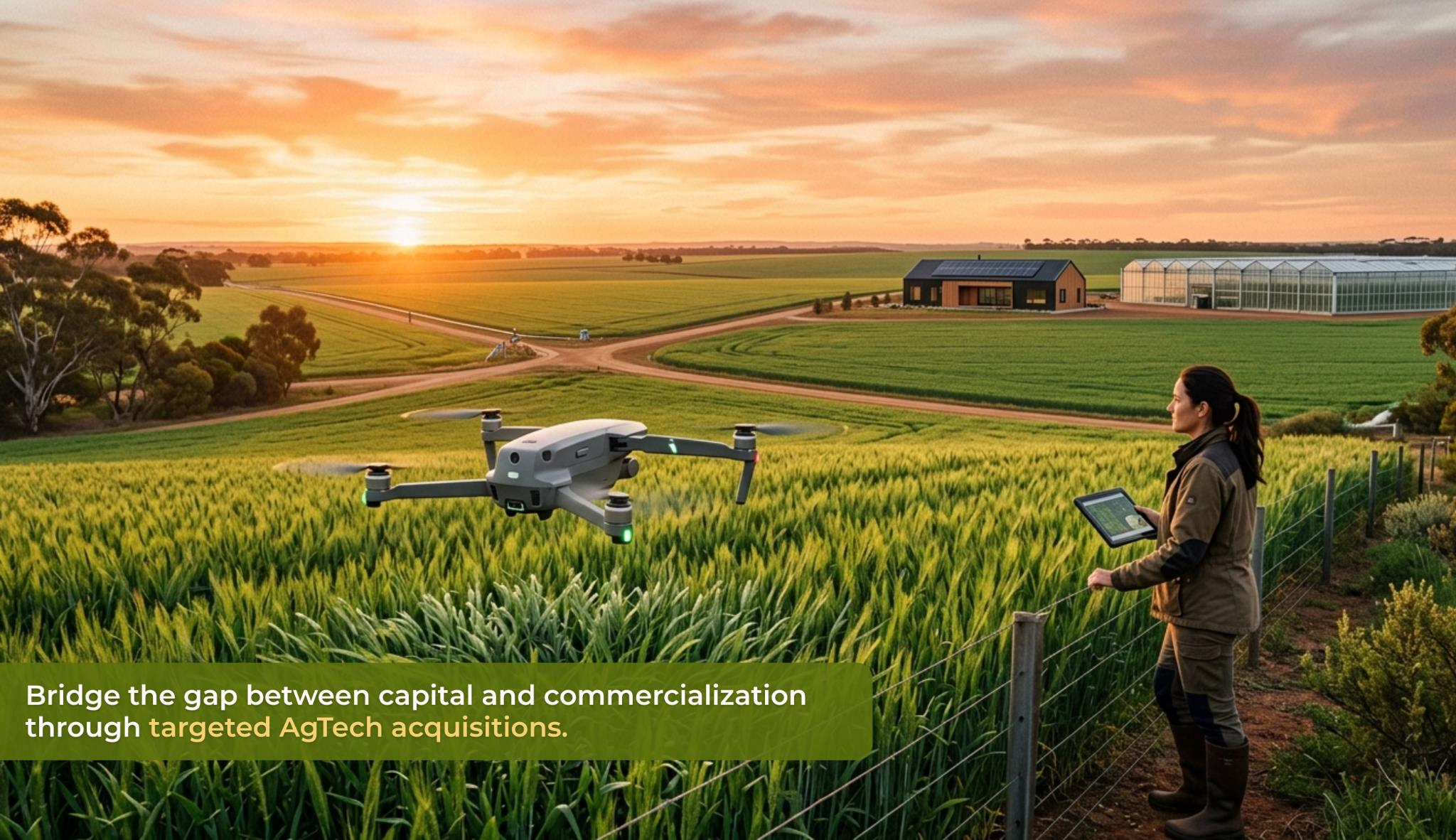
With global food security at the forefront of the 2026 agenda, Australia’s AgTech sector is booming. The focus is on precision agriculture—using AI and robotics to optimize crop yields and manage resources in regional areas. For a business migrant, AgTech offers a unique advantage for state nomination, as many Australian states are desperate to boost their regional economies. A migrant who invests in an AgTech-focused SME in regional Queensland or Western Australia often finds a faster, more streamlined nomination process.
3. NDIS and Healthcare Services
The National Disability Insurance Scheme (NDIS) remains one of the largest economic drivers in the service sector. By 2026, the demand for high-quality support services, plan management, and allied health clinics has intensified as the population ages. While this sector is highly regulated, the “defensive” nature of healthcare makes it an attractive target for risk-averse investors. The government favors migrants who can bring managerial efficiencies to NDIS-registered providers, helping to address workforce shortages and improve service delivery standards.
Due Diligence: The Portal to Compliance
One of the most common pitfalls for international investors is the failure to conduct adequate due diligence before purchase. Immigration authorities require evidence that the business is “actively and lawfully operating” and that it has the capacity to support the migrant’s management role. This is where the choice of acquisition platform becomes a vital component of the migration strategy.
A transparent and reliable way to buy a business in Australia is through a specialized portal that offers detailed financial history and sector-specific data. Using a professional service like BusinessSales.com.au provides a clear audit trail that satisfies the due diligence requirements for immigration authorities. When an investor can present a comprehensive information memorandum and verified historical turnover data from a reputable platform, the Department of Home Affairs can more easily assess the genuineness of the investment. This level of transparency reduces the risk of visa refusals based on “unacceptable” business activities or inflated financial projections.
Navigating the “Paramount Consideration” of Safety and Regulation
In 2026, regulatory compliance extends far beyond the financial books. For those entering the healthcare or NDIS sectors, the “Paramount Consideration” duty is now a legal requirement that puts a child’s or a vulnerable person’s safety above all other operational decisions. As a business owner, you must demonstrate that you have implemented the 2026 safety standards, including staff training and mandatory registry checks.
This high bar for compliance is actually a benefit for business migrants. It creates a market of “clean,” high-quality businesses where the rules are clear and the competition is professionalized. By acquiring a business that already meets these 2026 standards, a migrant can hit the ground running, proving to the Australian government that they are a “low-risk” and “high-value” addition to the national economy.
The Strategic Value of Freehold Opportunities
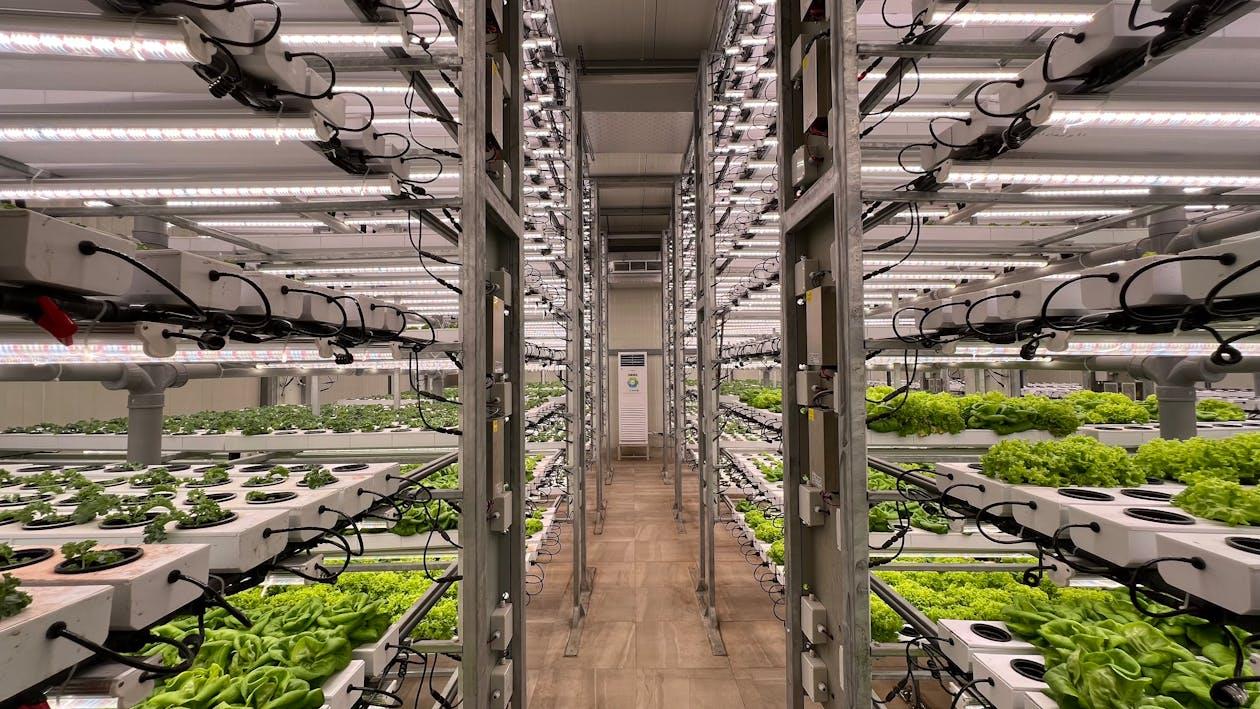
For many high-net-worth investors, the “Business plus Freehold” model remains the gold standard. In 2026, owning the land on which your business operates provides an ultimate level of financial security. This is particularly relevant in the AgTech and Advanced Manufacturing sectors, where the physical premises are often specialized.
Owning the freehold serves two purposes. First, it protects the business from the rising commercial rents seen in Australia’s high-growth corridors. Second, it provides a solid asset base for the migrant’s net asset requirement, which is a key metric for the eventual transition from a provisional subclass 188 visa to a permanent subclass 888 visa. This dual-asset strategy ensures that the investor has multiple avenues for wealth creation while fulfilling their residency obligations.
Final Thoughts: A Proactive Path to Residency
The Australian business migration landscape in 2026 is no longer a “pay to play” system; it is a “partner to prosper” system. The government is looking for investors who can bridge the gap between innovation and commercialization, particularly in the sectors that will define Australia’s economic sovereignty.
By focusing on compliant sector selection and utilizing professional portals for due diligence, international investors can secure their future with confidence. The transition to a new life in Australia is a complex journey, but by aligning your business acquisition with the nation’s strategic goals, you ensure that your investment is not just a visa requirement, but a flourishing enterprise. In 2026, the smart money is on those who understand that in Australia, the most successful migration story is one that is built on a foundation of transparency, innovation, and unwavering compliance.