Key Takeaways
- Selling as-is can reduce repair work, preparation time, and upfront spending.
- A faster sale can yield a lower offer, so compare estimated net proceeds rather than the headline price alone.
- As-is does not remove the need for honest disclosures about known material property issues.
- Cash buyers, MLS listings, and private sales each involve different trade-offs in speed, price, effort, and risk.
- A safe closing depends on clear written terms, verified parties, and careful review of all deductions.
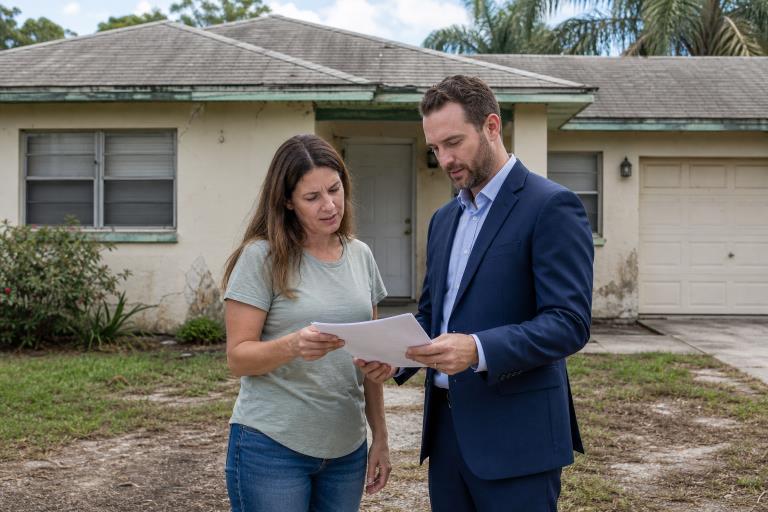
Selling a house as-is can be a practical choice when repairs, cleanup, tenant issues, inherited property responsibilities, or a short timeline make a traditional listing difficult. Homeowners who need to sell my home in Holiday, FL may find that an as-is sale offers a simpler path, but simplicity should not mean skipping careful pricing or contract review.
The best option depends on the home’s condition, local demand, available cash, and the seller’s timeline for closing. A property with an aging roof, outdated electrical work, water damage, or an unfinished renovation may still sell, but the buyer will usually account for the expected work and risk in the offer.
What “As-Is” Means in a Home Sale
An as-is sale generally means the buyer agrees to purchase the property in its current condition, and the seller does not promise to make ordinary repairs or upgrades before closing. It does not automatically mean the buyer cannot inspect the home, request a price change, or cancel under a contingency written into the contract.
Contract wording matters more than an informal statement made by text message or during a walkthrough. A seller should know whether the agreement includes an inspection period, repair requests, financing conditions, appraisal requirements, assignment rights, or a buyer cancellation deadline.
For sellers exploring a direct-sale option, cashforhousespro.com is an example of a local cash homebuyer resource. Regardless of the route a seller chooses, every offer should be evaluated based on its total terms, not just the proposed purchase price.
Why Some Sellers Choose an As-Is Sale
Many sellers choose as-is because they need convenience or certainty more than a fully renovated sale price. Common situations include inheriting a home, relocating for work, managing a vacant property, leaving a rental, dealing with divorce, or facing repair costs that are difficult to fund.
An as-is sale can reduce the need for painting, staging, contractor scheduling, repeated showings, and repair negotiations. The trade-off is that some retail buyers and mortgage lenders may be less interested, narrowing the buyer pool. A lower offer is not always a bad outcome if it avoids months of taxes, insurance, utilities, mortgage payments, and repair expenses.
Repair the Home or Sell It As-Is?
Repairs May Make Sense When
- The work is affordable and visible, such as cleaning, painting, landscaping, lighting, or minor hardware.
- A repair could remove a major financing or appraisal obstacle.
- The home is already close to market-ready condition.
- The seller has time to manage contractors, permits, and follow-up work.
An As-Is Sale May Make Sense When
- Several large repairs are needed at the same time.
- The seller would need to borrow money to renovate.
- The property has probate, tenant, title, code, or lien complications.
- Monthly holding costs could consume the benefit of a higher future sale price.
Ways to Sell a House As-Is
Traditional or As-Is MLS Listing
A listing can provide broad exposure to buyers, including those using mortgage financing. However, sellers should expect photos, access for showings, inspections, appraisals, and possible buyer requests for repairs or credits. Listing as-is communicates the property condition, but it does not eliminate all negotiations.
Private Sale or Cash Buyer
A private or cash sale may reduce financing delays and can sometimes close sooner. Still, the seller should verify the buyer, read all contingencies, and determine whether the buyer intends to close or assign the agreement to someone else. A buyer offering more money with broad cancellation rights and unexplained fees may be less favorable than a lower, cleaner offer.
How to Check a Cash Buyer
- Request the buyer’s legal name, business address, and proof of funds when appropriate.
- Confirm who is named as the actual buyer on the contract.
- Ask whether the assignment is permitted and what will happen if the buyer does not perform.
- Review deposits, fees, inspection periods, closing date, and cancellation rights.
- Verify the title company, attorney, or closing agent independently.
- Never sign blank documents or transfer title before the agreed-upon closing process.
Disclosure Duties and the Closing Process
In Florida, an as-is clause does not permit the concealment of known defects that materially affect value and may not be readily observable. Sellers should document known concerns, including prior leaks, water damage, structural issues, code notices, repairs, and active claims.
Before closing, gather the deed, mortgage payoff information, tax records, leases, repair invoices, insurance information, and any notices involving liens, probate, or code enforcement. Review the settlement statement carefully so that the price, payoff, fees, taxes, and expected proceeds match the agreement. If a financed buyer is involved, the Consumer Financial Protection Bureau explains how to review a closing disclosure for accuracy.
Wire fraud is also a serious closing risk. Confirm payment instructions by calling the title company, attorney, or closing office using a trusted phone number obtained independently. Do not rely on a last-minute email requesting changes to wiring details.
Final Checklist Before Signing
- Compare at least two realistic selling paths and estimated net proceeds.
- Document known defects and property issues truthfully.
- Confirm the buyer’s identity, funds, and contract rights.
- Understand every fee, deduction, deadline, and cancellation provision.
- Address mortgage, tax, probate, title, tenant, and lien issues early.
- Use a trusted closing professional and seek legal guidance for confusing terms.
Conclusion
Selling a home as-is can offer convenience and flexibility when time, repairs, or personal circumstances make a traditional sale less practical. By comparing selling options, understanding disclosure obligations, carefully reviewing contracts, and protecting the closing process, homeowners can make informed decisions that align with their financial goals and timeline.