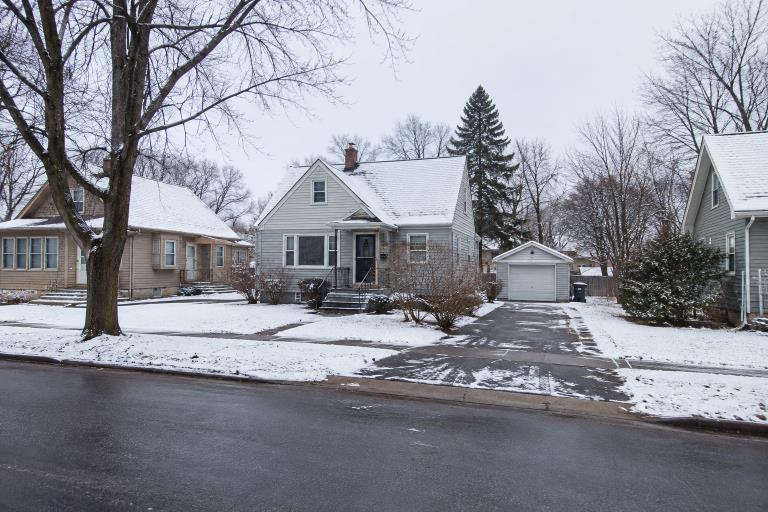
An unwanted house can become stressful quickly, whether it came through an inheritance, a job relocation, a divorce, landlord fatigue, or a repair problem that keeps growing. Minneapolis owners may be weighing a traditional sale against a faster as-is option, including requesting information from https://www.henryhomebuyer.com/. Still, the right decision depends on the property’s condition, your timeline, and the amount you need to clear after closing.
Before putting up a sign or accepting an offer, take a step back. A clear view of ownership, debt, repair needs, local requirements, and moving plans can help you compare choices based on real net proceeds rather than a tempting headline price.
Why Homes Become Hard to Manage
A home does not need to be abandoned or severely damaged to become difficult to own. A vacant property still needs insurance, heat, utilities, snow and ice attention, and routine checks. A rental can require more time than expected. An inherited home may involve multiple decision-makers, personal belongings, and questions about title or probate.
Other common situations include an aging roof, furnace concerns, water intrusion, overdue maintenance, unpaid bills, or a move that leaves little time for preparation. There is no universally best way to sell. The practical choice is the one that balances price, work, timing, and confidence that the transaction will close.
Minneapolis Factors to Weigh
Minneapolis weather affects the selling process. Winter conditions can complicate exterior repairs, cleaning, landscaping, and showings. Spring and summer can make a home easier to present, but waiting also means continuing to pay for ownership costs. Consider the cost of holding the house for several more months, not just the possibility of a higher sale price.
Neighborhood, property type, condition, and buyer preferences can all influence interest. A clean home with working systems may appeal to a broader audience than one needing major mechanical, structural, or cosmetic work. This does not mean every house should be renovated. It means sellers should compare the likely benefit of work with its full cost and risk.
First Steps Before Selling
- Confirm who has legal authority to sell, especially for inherited or jointly owned property.
- Request payoff information for mortgages and identify unpaid property taxes, assessments, judgments, or liens.
- Make a simple list of urgent repairs, safety concerns, and known defects.
- Gather permits, utility records, insurance information, warranties, and prior repair invoices.
- Choose your preferred closing date, move-out date, and level of preparation you can realistically handle.
- Rank your priorities: highest possible price, speed, convenience, or certainty.
Common Ways to Sell a Minneapolis House
Traditional Listing
A listing with a real estate agent may fit owners who can prepare the house, accommodate showings, and wait for marketing, negotiations, inspections, financing, and closing. It may expose the property to more buyers, but it can also involve repairs, staging, commissions, and uncertainty during the buyer’s due diligence period.
For Sale by Owner
Selling without an agent gives an owner more direct control over marketing and negotiations. It also requires the seller to manage pricing, access, paperwork, disclosures, buyer screening, and contract details. Professional legal and closing support can be useful even when an owner markets the house independently.
Cash or As-Is Offer
A cash offer may appeal to someone who wants fewer repairs, a simpler process, or a faster closing. However, the offer can reflect the buyer’s expected repair expense, holding costs, and resale risk. Compare the estimated net result with other options rather than assuming cash automatically yields the best financial outcome.
Auction or Rental Conversion
An auction may be considered for certain unusual or difficult-to-market properties, though sellers should first understand the fees and price uncertainty. Renting can preserve ownership, but it also creates landlord responsibilities, maintenance demands, vacancies, and tenant-related obligations.
Should You Repair the House or Sell It As-Is?
Small, targeted improvements can make a home easier to show. Cleaning, removing unwanted items, improving lighting, touching up paint, and addressing minor maintenance may be worthwhile. Large projects, such as foundation work, sewer repairs, extensive remodeling, or system replacement, deserve more analysis.
For major work, get written estimates and calculate: expected sale price after repairs minus repair costs minus carrying costs equals the estimated net amount. Carrying costs can include loan payments, property taxes, insurance, utilities, storage, temporary housing, and the expense of delaying your move. A higher list price does not necessarily produce a better final return.
Local Rules, Reports, and Seller Disclosures
Minneapolis requires a Truth in Sale of Housing evaluation for single-family houses, duplexes, townhouses, and first-time condominium conversions before sale. The city states that a full report is required before a covered property can be shown, so sellers should review the Truth in Sale of Housing requirements early in the process.
Disclosure duties also matter. Sellers should carefully document known conditions that could affect a buyer’s use or enjoyment of the property, such as past water issues, structural concerns, radon information, lead-based paint questions, wells, septic systems, or prior damage. Minnesota’s guidance for home sellers covers topics including offers, title matters, disclosures, inspections, and closing.
Probate, divorce, foreclosure, condemnation, major code concerns, or unresolved title problems can add complexity. In those circumstances, a qualified Minnesota real estate attorney can help identify the steps needed before signing a purchase agreement.
Reviewing Offers and Costs
An offer is more than its purchase price. Review the earnest-money amount, financing terms, inspection contingency, appraisal contingency, requested repair credits, closing date, possession date, and who pays specific transaction expenses. Every important promise should appear in the written agreement.
Also compare mortgage payoff, taxes, assessments, commissions or marketing expenses, repairs, hauling, title and closing charges, insurance, utilities, and deed-related costs. Ask whether the buyer has verified funds or needs a loan, when you will receive proceeds, and what happens if a title issue appears.
A Simple Timeline and Seller Checklist
- Days 1 through 7: Confirm ownership, collect records, identify debts, and decide on your preferred sale path.
- Days 8 through 21: Complete required reports, prepare the home, request estimates, or seek offers.
- Days 22 through 45: Compare terms, negotiate, sign an agreement, and begin title work.
- After agreement: Meet contract conditions, plan the move, and confirm closing details.
- Confirm title status and authority to sell.
- Review loan, tax, lien, and assessment balances.
- Identify urgent repairs and known defects.
- Check Minneapolis reporting requirements.
- Compare at least two selling strategies.
- Evaluate estimated net proceeds, not just the offer price.
- Read every contract condition before signing.
Selling an unwanted house in Minneapolis is both a financial decision and a timing decision. When you compare likely proceeds, preparation costs, effort, local requirements, and the certainty of each option, you can choose a sale path that fits your circumstances rather than rushing into one that does not.