Have you ever walked into your home in Fullerton CA, where humidity and seasonal shifts can catch you off guard, and thought, “Why does it feel slightly… off?” That faint smell, that stubborn stain, that peeling paint you keep ignoring might not be harmless. Hidden moisture problems are more common than most people admit, and with rising climate shifts and unpredictable weather, homes everywhere are becoming more vulnerable.
Understanding the early signs can save you money, health issues, and a lot of frustration. Here’s what to watch for.
The Subtle Smell That Won’t Leave
One of the earliest warning signs of hidden moisture is a persistent musty odor that seems to linger no matter how much you clean. It often feels like the smell is coming from nowhere, which makes it easy to ignore or blame on poor ventilation.
That smell usually signals mold or mildew growing behind walls, under flooring, or inside HVAC systems. With more people working from home and spending extended hours indoors, sensitivity to indoor air quality has increased, making this once-dismissed issue harder to overlook.
Stains That Tell a Story
Water stains are rarely just cosmetic problems. Discoloration on ceilings or walls, especially yellow or brown patches, often indicates slow leaks from plumbing or roofing systems. These marks may appear small but can signal ongoing damage beneath the surface.
Homeowners in areas prone to fluctuating weather have seen a rise in such issues. When it comes to water damage restoration Fullerton CA residents find that early detection is key. This is important because minor staining or discoloration can quickly escalate into structural damage if ignored.
Paint and Wallpaper Acting Strange
When paint begins to bubble, peel, or crack, it is often reacting to trapped moisture underneath. Wallpaper may loosen or develop ripples that were not there before, giving your walls a warped look that feels difficult to explain.
This kind of damage is not just aesthetic. It reflects ongoing moisture intrusion that weakens structural materials over time. With construction materials becoming more diverse and sometimes less durable, these visible signs are becoming more common in modern homes.
Warped Floors and Soft Spots
Flooring is another silent witness to moisture problems. Wooden floors may warp, laminate might buckle, and tiles can loosen without an obvious cause. Walking across a room and feeling slight unevenness is often the first clue.
Beyond comfort, this issue points to moisture seeping into subfloor layers. In a time when home renovation shows glamorize quick upgrades, many homeowners overlook foundational problems, which only become more expensive to fix later.
Unexpected Increase in Allergies
If you or your family suddenly experience more allergies indoors, hidden moisture could be the culprit. Mold spores thrive in damp environments and can circulate through the air, triggering respiratory issues.
With public awareness of air quality rising after global health concerns in recent years, people are more attuned to how their indoor environment affects them. What once felt like seasonal allergies might actually be your home signaling a deeper problem.
Condensation That Feels Excessive
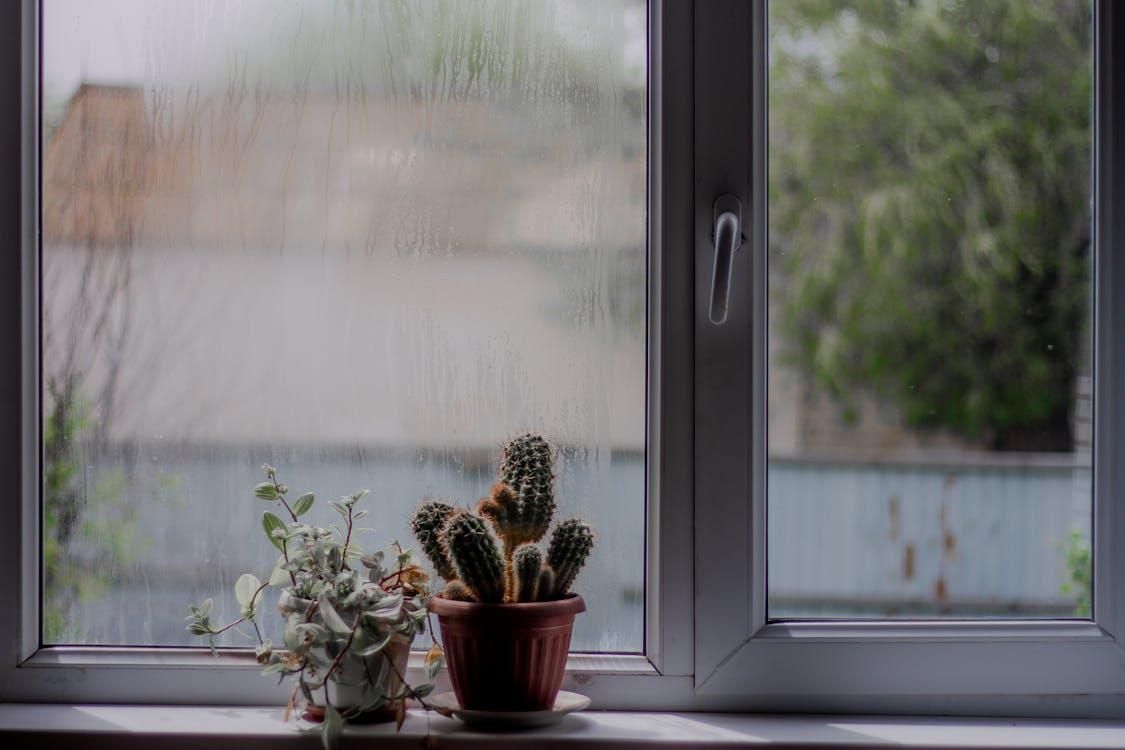
A little condensation on windows is normal, especially in humid climates. However, when you consistently see foggy glass, water droplets on walls, or damp surfaces, it suggests excessive indoor moisture levels.
This can result from poor ventilation, hidden leaks, or even lifestyle habits like drying clothes indoors. As energy-efficient homes become more sealed, they often trap moisture more effectively, creating a perfect environment for long-term issues.
Rising Utility Bills Without Explanation
A spike in your energy bill might not just be about increased usage. Moisture can affect insulation, making heating or cooling systems work harder to maintain comfortable temperatures.
This hidden inefficiency often goes unnoticed until costs climb significantly. In an era where energy prices are a growing concern, identifying moisture-related inefficiencies has become both an economic and environmental priority.
Cracks That Shouldn’t Be There
Small cracks in walls or ceilings are easy to dismiss as natural settling. However, when combined with other signs like stains or softness, they may indicate structural stress caused by prolonged moisture exposure.
Water weakens building materials over time, leading to shifts that eventually become visible. As extreme weather events become more frequent globally, homes are facing stress levels they were not always designed to handle.
Hidden Trouble Behind Cabinets and Appliances
Spaces behind kitchen cabinets, refrigerators, and washing machines often go unchecked for months, sometimes years. These tight areas can trap leaks from pipes or condensation from appliances, creating ideal conditions for mold growth without obvious signs.
Pulling appliances slightly forward and checking for dampness, discoloration, or a musty smell can reveal early-stage problems. In many modern homes, sleek design hides plumbing lines well, which looks great but makes detection harder. A quick inspection every few months can prevent a small, hidden leak from turning into a major repair bill.
Doors and Windows That Start Misbehaving
When doors or windows suddenly become difficult to open or close, moisture may be affecting the surrounding frames. Wood can swell when exposed to damp conditions, causing tight fits or misalignment that feels unusual.
Many homeowners assume this is just aging or seasonal change, but persistent sticking often points to excess humidity or hidden leaks nearby. As climate patterns shift and humidity levels become less predictable, these subtle changes in how your home functions can offer valuable clues that something deeper is happening behind the surfaces.
What You Can Do Before It Gets Worse
Spotting these signs early gives you an advantage. Start by inspecting areas prone to moisture, such as bathrooms, kitchens, basements, and roofs. Fix leaks promptly and ensure proper ventilation throughout your home.
Using dehumidifiers, sealing gaps, and scheduling routine inspections can make a significant difference. While it is tempting to delay action, especially when problems seem minor, moisture has a way of escalating quietly until it demands attention at the worst possible time.
Paying attention now is less about paranoia and more about practical care. Homes, like people, give signals when something is wrong. The question is whether we choose to listen before those signals turn into costly repairs.