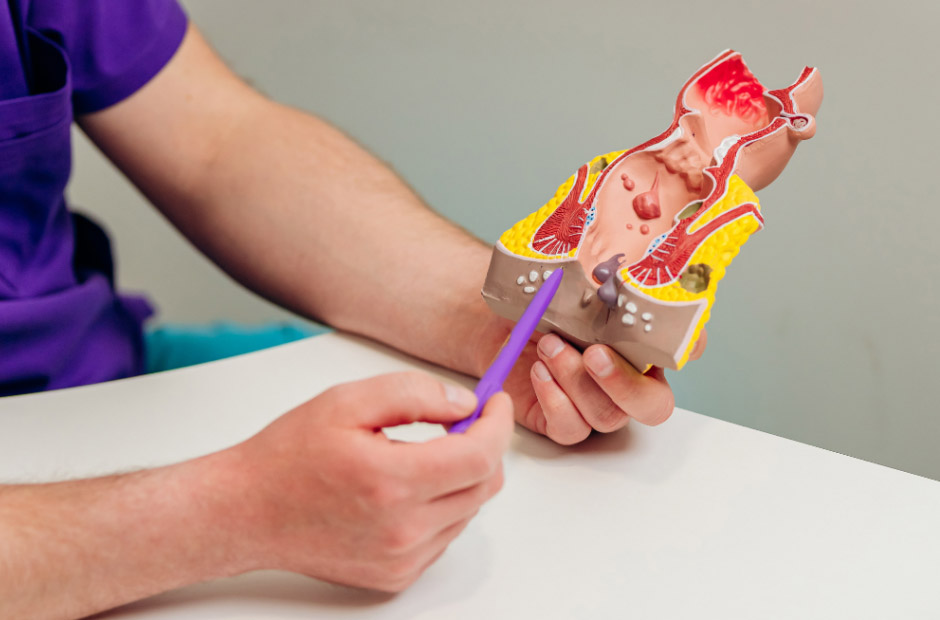
Most people tend to dismiss mild discomfort, especially when it comes to sensitive health concerns. It can feel easier to wait it out, hoping the symptoms resolve on their own.
But when symptoms persist or begin to disrupt daily routines, ignoring them can lead to more stress and uncertainty. Many individuals reach a point where they begin to wonder if it is time to seek more focused medical attention.
Knowing when to consult a hemorrhoids specialist can make a significant difference in both comfort and long term health. Recognizing the signs early helps people take action with greater confidence and less hesitation.
When Symptoms Stop Being Occasional
Persistent discomfort that does not improve
It is common for minor symptoms to come and go, especially when linked to diet or temporary strain. However, when discomfort becomes a regular part of daily life, it may signal something more serious.
A person who notices ongoing itching, swelling, or pain that lasts for weeks may already be beyond the stage of simple home remedies. These lingering symptoms often suggest that the underlying issue is not resolving naturally.
At this point, seeking a specialist’s opinion is not about overreacting. It is about understanding what the body is signaling and to address the issue before it progresses further.
Bleeding that causes concern
Seeing blood, even in small amounts, can be alarming. Some people may dismiss it at first, especially if it appears occasionally.
But when bleeding happens more than once or becomes noticeable during routine bathroom visits, it should not be ignored. Repeated bleeding can signal an underlying condition that requires proper evaluation.
A specialist can help determine whether the cause is mild or something that needs immediate attention. This clarity often brings relief and prevents unnecessary worry.
Increasing pain during daily activities
Pain that starts to interfere with simple activities like sitting, walking, or using the bathroom is a clear sign that something needs to be addressed.
Many people adjust their routines to cope with the discomfort, often without realizing how much it affects their quality of life. They may avoid certain movements or delay necessary tasks just to minimize the pain.
When discomfort reaches this level, it is no longer just an inconvenience. It becomes a signal that professional evaluation may help restore comfort and normalcy.
When Symptoms Affect Overall Wellbeing
Changes in bowel habits or patterns
A shift in regular bowel habits can be easy to overlook, especially when life gets busy. However, consistent changes such as difficulty passing stool, frequent straining, or a feeling of incomplete relief may point to underlying concerns.
These changes often go hand in hand with conditions that require more than general advice. A colorectal specialist, for example, can assess whether these symptoms are linked to hemorrhoids or another digestive issue.
Addressing these patterns early may help prevent complications and help individuals regain a sense of control over their health.
Emotional and mental strain from ongoing symptoms
Physical discomfort does not exist in isolation. Over time, it can begin to affect a person’s mood, confidence, and daily interactions.
Someone dealing with persistent symptoms may feel self conscious, anxious, or even frustrated. They might avoid social situations or hesitate to talk about what they are experiencing.
Seeking a specialist’s opinion is not just about treating physical symptoms. It is also about easing the mental burden that comes with uncertainty and discomfort. Professional guidance can provide reassurance and a clearer path forward.
Taking the Next Step with Confidence
Recognizing when to seek specialized care is an important part of looking after one’s health. Symptoms that persist, worsen, or begin to affect daily life should not be ignored or pushed aside.
A specialist offers more than just treatment. They provide clarity, reassurance, and tailored care that aligns with each individual’s needs. This level of support helps people move from uncertainty to understanding.
Taking that step may feel uncomfortable at first, but it often leads to relief and better overall wellbeing. Listening to the body and responding with care is always a step in the right direction.