Winter doesn’t usually leave with a loud goodbye. It slips out quietly. The snow melts. The air softens. You open a few windows and let the fresh breeze in.
And then you start noticing things.
A stain near the ceiling. A draft you forgot about. Gutters that look heavier than they should.
That’s the thing about winter. It tests your home. Sometimes gently. Sometimes not. And when the season changes, you get a clear chance to see what held up well, and what didn’t.
But where do you begin? Do you check everything at once? Or focus on a few key areas?
You don’t need to overwhelm yourself. You just need to look at the right places in the right order. That’s exactly what we’re getting into here.
Let’s start from the top.
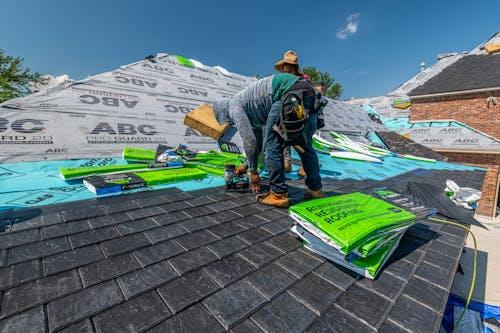
Protect What Shields You: Inspecting Your Roof
Your roof works nonstop all winter. Snow sits on it. Ice forms along the edges. Wind pushes against shingles. And you probably didn’t think about it much while staying warm inside, right?
Now’s the time to look up.
Start from the ground. Do you see missing shingles? Curled edges? Dark streaks? Check the flashing around vents and chimneys. If it looks loose or bent, water may have found its way in.
If you can, take a look inside the attic. Notice any damp insulation, water stains, or an odd smell? Those are early warning signs.
Small issues like a few damaged shingles can often be repaired quickly. But widespread wear or sagging areas call for professional evaluation. Major upgrades should never turn into weekend projects. Top professionals like C3 Construction specialize in residential roofing and handle repairs and replacements with proper materials and installation standards. When structural work is involved, experience matters.
Your roof protects everything beneath it. Ignoring it after winter? That’s a risk you don’t need to take.
Clear Out Gutters Before They Cause Trouble
When was the last time you looked inside your gutters?
Winter fills them fast, you know. Leaves, debris, and grit collect. Ice can weigh them down and pull them slightly out of place. Clogged gutters don’t just look messy. They push water over the edges. That water can damage siding and collect around your foundation.
Clean them thoroughly. Check that they sit securely against the house. Make sure downspouts direct water away from the base.
It’s a simple task, but it prevents bigger headaches later.
Check Your Exterior Walls and Siding
Take a slow walk around your home now. Do you see cracks, peeling paint, or warped siding?
Cold weather expands tiny gaps. The result? Moisture slips in. Over time, that leads to rot or more serious structural damage.
Press gently on wood areas. Notice any soft spots? That means trouble. Reapply caulk around windows and doors if you see cracking. Touch up paint where it has started to peel.
Small fixes now cost far less than large repairs later.
Test Windows and Doors for Drafts
Did certain rooms feel colder this winter? Run your hand along window edges. Feel any air slipping through? Check weatherstripping on doors. If it looks brittle or flattened, replace it.
Locks and hinges should move smoothly. Doors should close firmly without sticking. Upgrading older windows can improve comfort and lower energy costs. But even basic sealing makes a noticeable difference. Comfort often comes down to details like these.
Give Your HVAC System Some Attention
Your heating system worked hard for months. Soon, your cooling system will take over.
So, have you scheduled a tune-up yet?
A professional inspection helps catch worn parts early. Technicians clean components, check connections, and make sure everything runs efficiently.
Change filters. Clear debris from outdoor units. Listen for unusual sounds. Small maintenance steps extend the life of the system. And they help you avoid sudden breakdowns when temperatures rise.
Look for Plumbing Issues That Winter Might Have Left Behind
Freezing temperatures stress pipes. Even if nothing burst all winter, small cracks might have formed.
Check under sinks for moisture. Inspect exposed pipes in basements. Turn on outdoor faucets and watch for leaks. Notice slow drains or low pressure? Don’t brush those off.
Water damage spreads quickly. Addressing minor plumbing concerns now saves you from costly repairs later.
Inspect the Foundation Closely
Freeze and thaw cycles affect soil. That movement can shift foundations. So, walk around your home and look for new cracks. Small hairline fractures may not mean serious trouble. But wide or expanding cracks deserve professional attention.
Also, check drainage. Does water flow away from your home? Proper grading protects the structure. Your foundation supports everything. It’s worth a careful look, right?
Refresh Interior Surfaces That Took a Beating
Winter keeps everyone inside more often. Floors see extra traffic. Walls collect scuffs.
Notice dull hardwood? Deep clean it. Carpet looking tired? Schedule a thorough cleaning. Tile grout appearing stained? Reseal it.
Patch small dents in drywall, and touch up paint where needed.
These updates don’t require major effort. But they make your home feel fresh again.
Evaluate Insulation and Energy Efficiency
Did heating costs feel higher than expected? Now winter has passed, but you can prepare for summer. Check attic insulation levels. Look for thin or compressed areas. Seal small gaps around vents and pipes. Improved insulation stabilizes indoor temperatures year-round. It also lowers energy bills over time.
Sometimes efficiency issues reveal themselves only after a long winter. Now you know where to look.
Upgrade Outdoor Areas for the Season Ahead
Warmer days mean more time outside. Therefore, it’s time to inspect your deck for loose boards. Tighten railings, and reseal wood if needed. Check fences for leaning sections. And, don’t forget to test outdoor lighting. A little preparation now makes outdoor spaces safer and more enjoyable all season.
Here’s the reality. Winter tests every home in quiet ways. Some areas handle it well. Others need attention.
The good news? You don’t have to tackle everything at once. Start with the most important areas. Move step by step and just stay consistent. When you give your home steady care after winter fades, it responds with increased protection and comfort. That peace of mind is what every homeowner wants, isn’t it?