Hard water causes more problems for businesses than many owners realize. Scale buildup, appliance wear, and inconsistent water quality can quietly raise costs over time. That is why many facilities choose commercial water softeners instead of temporary fixes. This article explains the key steps involved in commercial water softener installation, with a focus on planning, setup, and long-term performance. Each step plays an important role in protecting plumbing systems and keeping daily operations running smoothly.
Businesses planning commercial water softener installation in San Diego projects usually want clarity before work begins. Conditions vary by location and building type, which makes a structured approach important. The sections below walk through the full installation process and explain what businesses in San Diego can expect at each stage.
Site Assessment and Water Quality Review
Every installation begins with a site visit. Technicians review water usage, plumbing layout, and equipment needs. Water testing helps identify hardness levels and mineral content. These details guide system sizing and placement.
In San Diego, commercial properties range from restaurants to large office buildings. Each setting requires a tailored approach. A proper assessment ensures the system matches demand without oversizing. This step prevents inefficiency and supports consistent water quality across daily operations.
System Selection Based on Business Demand
Once the water data is clear, the right system gets selected. Capacity depends on flow rates, peak usage, and business hours. A system that is too small struggles to keep up. One that is too large wastes resources.
Professionals consider resin type, regeneration method, and space availability. In San Diego, space constraints matter in many commercial buildings. Proper system selection balances performance, efficiency, and physical fit to avoid future issues.
Plumbing Preparation and Equipment Placement
Plumbing preparation comes next. Existing lines may need adjustment to support the new system. Shutoff valves, bypass lines, and drain access all require review.
Equipment placement matters for access and safety. Systems need room for service and monitoring. In San Diego facilities, installations usually occur in utility rooms or mechanical spaces. Careful preparation at this stage reduces downtime and supports clean integration with current plumbing.
Installation and System Connection
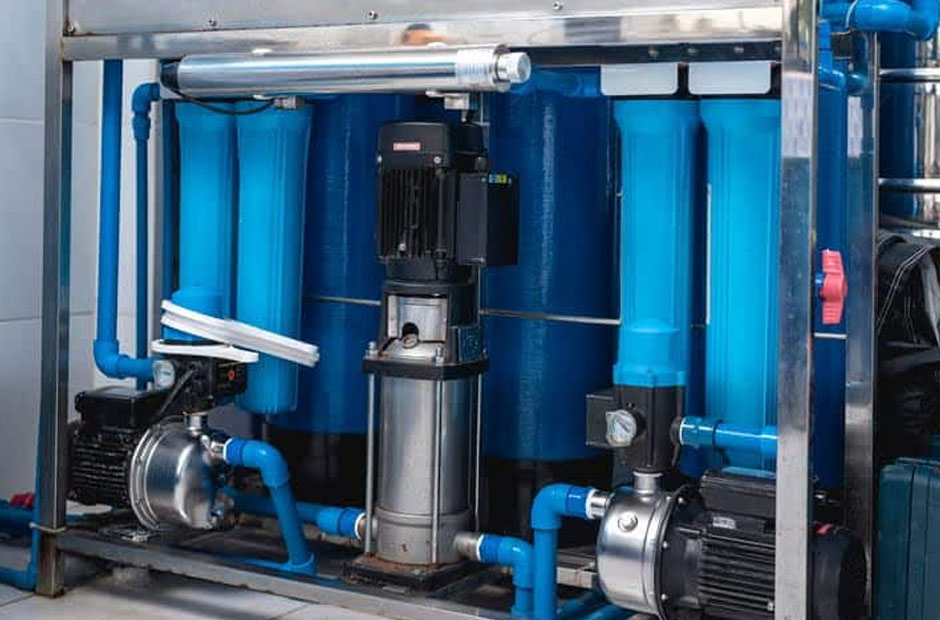
The actual installation involves connecting the softener to the main water supply. All fittings must seal properly to prevent leaks. Technicians follow manufacturer specifications during assembly and hookup.
Electrical connections may also be required for control valves. After connections are complete, the system gets secured and aligned. For commercial water softener installation in San Diego projects, this step must follow local codes to ensure safe operation and inspection approval.
Testing, Calibration, and Staff Guidance
After installation, testing confirms proper function. Water hardness levels get checked again to ensure effective softening. Control settings are adjusted to match usage patterns.
Calibration ensures regeneration cycles run at the right intervals. Staff may receive basic guidance on monitoring indicators and reporting issues. In businesses, this final step helps maintain performance and avoids confusion after installers leave.
Commercial water softener installation follows a clear sequence that protects both equipment and operations. Assessment sets direction. System selection ensures capacity. Preparation supports clean integration. Installation connects everything correctly. Testing confirms results. For businesses in San Diego, following these steps helps manage hard water challenges with confidence. A structured installation approach supports efficiency, reliability, and long-term system performance without unnecessary disruption.