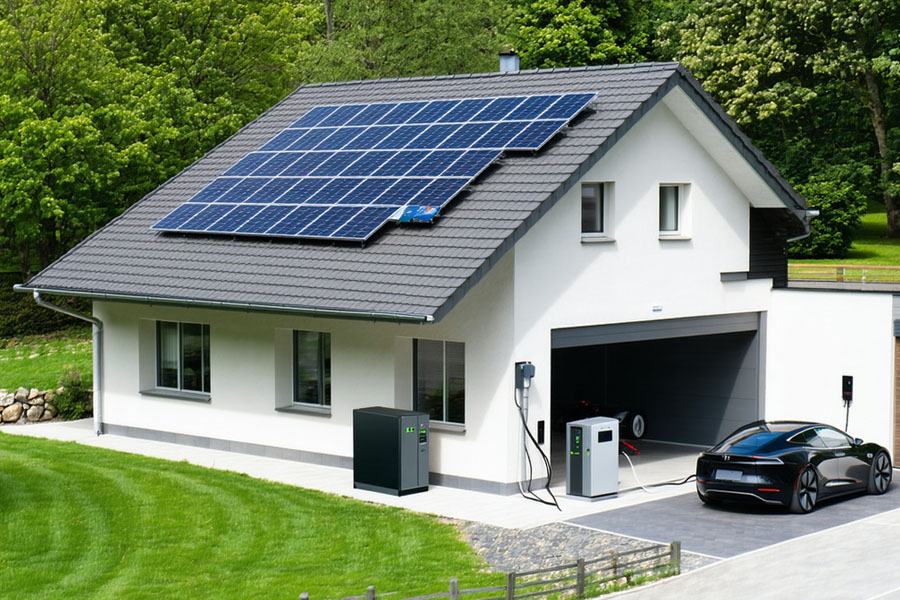
Why Western Australia Is Prime Territory for Solar EV Charging
Western Australia sits under a generous sky. Long, bright days deliver abundant energy, and that sunlight can be harnessed to power both home and vehicle. Many WA homes experience around 4.5 to 6.0 peak sun hours each day. In practical terms, households in Perth often produce 4 to 5 kWh for every kilowatt of solar installed per day. That steady output makes solar a reliable cornerstone for a self-sufficient energy setup.
Time-of-use tariffs help the equation. With off-peak or EV-specific rates, households can schedule battery charging and EV top-ups during lower cost windows. The savings compound over time, especially as grid electricity prices in WA have climbed by 15 to 20 percent in recent years. The economics favor homegrown energy.
EV adoption continues to rise across the state. As more drivers plug in, a dependable home charging solution becomes essential. A well-sized solar array paired with battery storage and a smart charger lets a home function as a mini power station. For many households, an 8 to 10 kW solar system with a 10 to 13.5 kWh battery and an intelligent EV charger can cover daily living needs while charging one, and sometimes two, vehicles primarily from solar.
The Core Components of a Self-Powered Setup
A self-sufficient home energy system blends three elements that work in concert.
Solar panels convert sunlight into electricity that covers daytime loads. In peak summer, a 10 kW rooftop system typically generates around 40 to 50 kWh per day. First, that energy runs appliances and air conditioning. When there is surplus production, it flows to the battery or directly into your EV, turning rooftop sunshine into kilometers on the road.
Home battery storage is the reservoir that evens out the rhythm of solar. When the sun jumps behind clouds or night falls, stored energy steps in. A battery in the 13.5 kWh range can support evening usage, overnight EV charging, and short-term outages. Batteries also unlock tariff optimization by letting you charge during off-peak periods and discharge when rates are higher.
The EV charger is the bridge between your home energy system and your vehicle. Common residential options include 7.4 kW single-phase AC chargers for most homes and 22 kW three-phase units for faster top-ups where wiring supports it. Smart chargers add vital features. They can prioritize solar energy, time charging to off-peak windows, and balance electrical loads to protect home circuits. With a well-calibrated setup, a 60 kWh EV battery can be charged primarily from solar in a single day, reducing reliance on the grid.
Sizing for Daily Life and Driving
The right system size depends on household consumption, driving habits, and roof characteristics. A typical WA home targeting strong self-sufficiency often installs 8 to 10 kW of solar. That range provides enough daily production to run appliances and charge an EV, with battery storage capturing midday surplus for evening use.
Battery capacity matters for independence. A 10 to 13.5 kWh unit is a practical sweet spot for many households. It supports nighttime charging and offers backup when the grid falters. Paired with a smart charger, daily routines can be aligned with solar output to lift self-sufficiency. With careful scheduling, households often reach between 70 and 95 percent energy independence depending on system size and behavioral patterns.
Placement and orientation are part of the equation. North-facing panels usually yield the best consistent output in WA. East and west arrays can help spread generation across morning and afternoon, which improves real-time EV charging opportunities without leaning on the battery.
How Solar Power Fuels Your EV
Electric vehicles consume roughly 4,666 kWh per year, though usage varies with driving distance and efficiency. Converting that into solar capacity is straightforward. On average, 1 kW of solar yields about 4 kWh per day or approximately 1,500 kWh annually. Covering an EV’s annual energy needs would therefore require around 3.1 kW of dedicated solar capacity.
For many homes, this translates into adding eight to twelve solar modules, depending on panel wattage, roof space, and shading. The exact number shifts with location, panel efficiency, and seasonal sunlight. A solar calculator can estimate your needs once you input driving patterns, EV model, and charger type. The goal is to shape a system that meets both mobility and household energy needs without waste.
Once installed, timing brings everything together. Midday charging can pull power straight from panels. Evening charging draws from the battery. On busy driving days, topping up during off-peak grid periods helps keep costs in check. Over time, refined scheduling turns a simple system into a smooth, resilient energy routine.
Smart Charging Strategies That Cut Costs
Smart chargers and batteries allow you to choreograph charging with precision. If you have an off-peak or EV-specific tariff, schedule charging in those windows to reduce bills. Charge the battery when sunlight is abundant or rates are low. Discharge when household use climbs or grid prices peak.
Load balancing is essential, especially in homes with electric ovens, air conditioning, and pool pumps. A smart charger can temper draw to avoid tripping circuits and can pause or throttle charging if the home approaches its supply limit.
Advanced chargers also open the door to bi-directional functionality. With vehicle-to-home or vehicle-to-grid features, your EV can briefly power the house during an outage or return energy to the grid when required. It becomes a roaming storage unit that complements the fixed home battery.
Costs and Savings in WA
Charging at home with solar is one of the most cost-effective ways to run an EV. In WA, a standard 10 kW solar array can produce around 40 to 45 kWh per day in peak months, which often covers home loads and vehicle charging. Annual EV charging using home solar can cost about 400 to 450 dollars. Charging from the grid tends to land around 650 to 700 dollars per year, while public charging can rise above 1,050 dollars.
Compared to petrol vehicles at roughly 1,200 to 1,300 dollars annually, solar charging can save more than 800 dollars each year. Batteries extend those savings by shifting charging away from high-rate periods and providing resilience during outages. Over the life of the system, careful scheduling and smart controls turn modest adjustments into significant financial benefits.
Safety, Compliance, and Future-Proofing
A safe, well-designed installation protects both equipment and occupants. That includes correct cabling and breaker sizing, thoughtful placement of inverters and batteries, and compliance with relevant electrical standards. Smart chargers should be integrated with load management to prevent overdraws. If your household is adding high-demand appliances or a second EV, plan for three-phase upgrades where appropriate.
Future-proofing is about flexibility. Consider module-level power electronics or shading-aware designs for complex roofs. Leave space on the switchboard for an additional charger. Confirm that your battery and inverter can handle bi-directional charging if you intend to use vehicle-to-home features. Working with professionals like ChargingWA ensures your system is sized for your goals, installed safely, and ready for evolving energy and mobility needs.
FAQ
How many peak sun hours do WA homes get?
Most WA homes see around 4.5 to 6.0 peak sun hours daily. This steady sunlight underpins reliable solar generation and supports home and EV charging.
What solar array size works for EV charging in Perth?
Many households install 8 to 10 kW of solar to cover daily usage and vehicle charging. As a rule of thumb, 1 kW of solar produces about 4 to 5 kWh per day. If an EV uses around 4,666 kWh annually, an additional 3.1 kW of solar capacity can offset that driving energy.
What battery capacity should I consider?
A battery between 10 and 13.5 kWh suits most homes aiming for solid independence. It supports nighttime EV charging, buffers cloudy spells, and provides backup during outages.
Which EV charger is best for home use?
Choose a 7.4 kW single-phase charger for typical homes or a 22 kW three-phase unit for faster charging where wiring allows. Opt for smart features like solar prioritization, off-peak scheduling, and load balancing to protect circuits.
Can my EV power the house during outages?
With a bi-directional charger and compatible vehicle, yes. Vehicle-to-home and vehicle-to-grid capabilities let the car supply energy to your home or the grid. Ensure your installation is configured safely and complies with local requirements.
How do tariffs influence charging strategy?
Time-of-use tariffs reward smart timing. Charge the battery and EV during off-peak windows or sunny periods. Discharge stored energy when rates climb to reduce bills and limit grid reliance.
What level of self-sufficiency can I expect?
Depending on system size, household load, and charging schedules, many WA homes achieve between 70 and 95 percent energy self-sufficiency. Careful design and good habits push results toward the higher end.