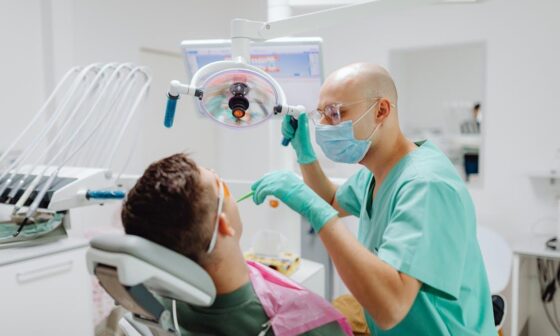
Preventative care focuses on early diagnosis, accessible medical support, and continuous wellness monitoring. Primary care clinics integrate these services into everyday care delivery, allowing you to address potential concerns before they require urgent or specialized treatment. By combining vaccinations, routine evaluations, and continuous services, the clinic helps you track and understand your health over time. Here is more information to help you understand the benefits of preventative care in primary health settings:
Promotes Timely Diagnosis
Visiting a primary care clinic allows providers to conduct structured evaluations that extend beyond the current symptoms. The team will review your medical history, measure your vital signs, and assess your overall health status. This information allows them to identify symptoms and changes that may require further attention. They also complete imaging tests if necessary.
Healthcare providers at these clinics also collect and preserve medical information, and this enables them to track your health over time. The practice of comparing findings from many visits facilitates the timely identification of small abnormalities that warrant closer inspection. Along with in-clinic services, the team provides protocols for independently monitoring your condition at home and identifying immediate threats to your health. Sustained clinical oversight is maintained as a result of this thorough documentation process.
Prevents Illnesses With Vaccinations
Primary health clinics provide protection against diseases through routine immunizations, such as flu shots and age-appropriate vaccines. These preventive services can be accessed through scheduled appointments or walk-ins. Rather than treating immunizations as isolated events, medical staff often include them as part of regular checkups, allowing multiple health needs to be addressed in a single visit. Healthcare workers maintain records of your vaccination history, which helps track which vaccines you have received. Clinics also make sure that vaccines are administered at the appropriate intervals. By receiving vaccinations during regular appointments, preventive care is integrated into ongoing primary care rather than being treated separately.
Supports Long-Term Health
Preventive services operate through regular follow-ups, ongoing monitoring, and continuity of care. Providers deliver chronic healthcare management. Appointments often focus on specific behavioral health needs while coordinating with physical health information. If urgent attention is needed between visits, providers recommend appropriate care. Routine checkups support long-term well-being by maintaining consistent monitoring and follow-up.
Providers document changes in health indicators and schedule subsequent visits according to evolving needs. Treatment schedules often adjust over time, reflecting changes in health status. When necessary, providers refer patients to specialized professionals within a coordinated referral system. Care plans include monitoring chronic conditions, reviewing treatment effectiveness, and arranging follow-ups for ongoing management.
Expands Care Accessibility
Primary care clinics provide services during extended hours and offer multiple ways to connect with healthcare providers; such methods include walk-ins and telehealth consultations. These options support a patient-centered approach that emphasizes access, convenience, and an improved care experience. Patients receive urgent or preventive services without needing to schedule far in advance. They also won’t need to rearrange their routines around clinic hours. Telehealth appointments serve as an alternative for consultations, follow-ups, and certain evaluations. This provides ongoing care without requiring an in-person visit.
Find Reliable Primary Care Facilities
Primary health resources help you monitor both your physical and mental well-being and address early warning signs promptly. By using these services regularly, you create a structured approach to managing your health, verifying you have access to guidance, assessments, and follow-up care when needed. When comprehensive services are paired with collaborative provider-patient relationships, preventive care becomes a key part of maintaining long-term wellness. These settings support continuity, coordination, and informed decision-making across your healthcare journey. Explore a primary health clinic near you to take an active step toward better health today.