Think about the last event you truly enjoyed. Chances are, you don’t remember the exact schedule or how many centerpieces were on the tables. You probably remember how relaxed you felt walking in. Maybe the lighting felt warm instead of harsh. Maybe the music wasn’t too loud, so conversations flowed easily. Maybe dinner arrived at just the right moment, when everyone was settled and laughing. That’s the difference between an event and an experience. An event is something you attend. An experience is something you feel.
Designing experiences takes intention. It means thinking about how guests move through a space, what they see first, what they touch, what they hear, and how everything connects. It’s not about spending more money or adding more décor. In fact, it often means simplifying. When design choices support each other, guests don’t notice individual elements. They notice comfort and ease. They stay present instead of distracted.
The following elements break down how to design gatherings that feel complete from start to finish.
Design Every Sensory Element with Intention
Most people focus on what an event looks like. Fewer think about how it sounds, feels, or even smells. Yet those sensory details shape guest perception almost immediately. Imagine walking into a room where the music is slightly too loud, the lighting is bright white, and the chairs are stiff. Now picture entering a space with soft background music, warm lighting, and comfortable seating. The second scenario feels welcoming before anyone says a word.
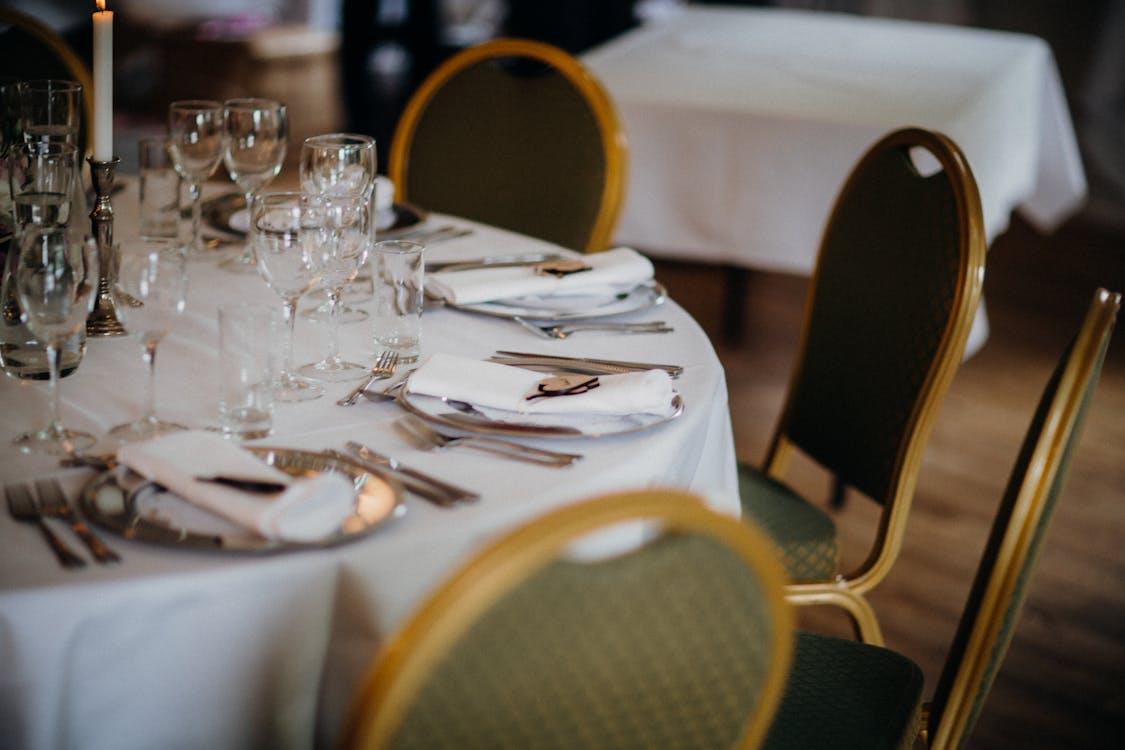
Texture plays a quiet but important role here. Guests touch napkins, menus, glasses, and table surfaces throughout the evening. Those physical details add up. A well-dressed table with carefully chosen fabrics feels polished without being flashy. In restaurant-based events and formal dining settings, suppliers such as Bergen Linen help create that tactile consistency across tables and service areas. Their linens do not draw attention to themselves, yet they contribute to a unified look and feel. When every sensory layer works together, the space feels thoughtfully composed rather than randomly assembled.
Build a Clear Narrative Arc from Arrival to Departure
Think of an experience like a movie. It needs a beginning, middle, and end. The arrival moment sets the tone. A simple greeting at the door, clear signage, and music that matches the mood can immediately make guests feel comfortable. Without that thoughtful start, people often hesitate, unsure where to go or what to expect.
The middle portion should build engagement. Perhaps a short welcome speech leads into dinner, followed by a meaningful toast or interactive moment. The end should not feel abrupt. Lowering the music slightly, offering a closing message, or even having staff thank guests individually creates a sense of completion.
Design for Emotional Peaks, Not Just Schedules
Many events are organized around time blocks. Dinner at seven. Speech at eight. Dessert at nine. While structure matters, emotion creates memory. Think about weddings where a surprise performance shifts the energy in the room. Or corporate events where a heartfelt story from a leader changes the atmosphere from formal to personal.
Emotional peaks do not need to be dramatic. They simply need intention. A dimming of lights before a toast can create anticipation. A shift in music can signal a transition from dinner to celebration. Without these planned moments, events can feel flat even if everything runs on time. Designing for emotion means asking, “How do we want guests to feel at this point?” and building the moment around that answer.
Align Environment with Purpose
A networking event should feel different from an anniversary party. The goal shapes the environment. For professional gatherings, round tables might encourage conversation between small groups. Clear lighting supports visibility and focus. Service timing may feel structured and efficient.
For a celebration, softer seating arrangements and warmer lighting create intimacy. Music might play a stronger role. Even the spacing between tables affects interaction. When environment and purpose align, guests instinctively understand how to behave. They feel comfortable engaging in the way the event intends.
Balance Visual Consistency with Strategic Contrast
A cohesive color palette creates calm. For example, using shades of navy and soft neutrals across table settings, signage, and floral arrangements keeps the space unified. Guests may not consciously notice the consistency, yet it helps everything feel polished.
Contrast, however, prevents boredom. A bold centerpiece in the middle of a neutral room draws attention. A subtle pop of color in napkins or menu cards adds interest. The key is moderation. Too many competing colors or patterns create a distraction. Strategic contrast within a consistent base gives the eye something to enjoy without overwhelming the space.
Elevate Service Presentation as Part of the Experience
Guests notice service more than hosts sometimes realize, not in a critical way, but in a subtle, instinctive way. When servers move confidently, when plates arrive smoothly, when someone refills a glass without interrupting a conversation, the entire event feels polished. On the other hand, if staff look unsure, out of sync, or distracted, the mood shifts quickly.
Presentation plays a role here, too. Coordinated attire, clean lines, and consistent grooming communicate professionalism without a word being spoken. Think about walking into a restaurant where staff uniforms match the tone of the space. It creates trust right away. The same principle applies to private events. Service teams are part of the visual and emotional landscape.
Design Lighting to Guide Focus
Lighting directs attention. Soft lighting during dinner encourages conversation. A focused spotlight during a speech draws everyone’s eyes to the speaker. Lowering the lights before a key moment creates anticipation almost instantly.
Think about how different a room feels under bright overhead fluorescents compared to warm, layered lighting. The first feels like a meeting room. The second feels inviting. Strategic lighting changes throughout the evening can also signal transitions. As dinner ends and music begins, a slight shift in brightness tells guests something new is happening.
Use Spatial Layout to Encourage Connection
Layout determines how people interact. Long rectangular tables encourage group conversation and shared energy. Smaller round tables create intimate discussions. Lounge seating near the edge of the room invites quieter chats away from the main activity.
Guests should be able to move comfortably between spaces without squeezing past chairs or interrupting conversations. Clear pathways help the evening feel relaxed. Even something as simple as placing a bar or buffet in an accessible area prevents crowding and awkward waiting.
Integrate Culinary Presentation into the Overall Theme
The way dishes are plated, the style of service, and even the menu wording can reinforce the overall atmosphere.
For example, a modern, minimalist event might feature clean plating with simple garnishes and neutral dishware. A rustic celebration might highlight family-style serving on wooden boards. Even portion size and pacing influence the mood. Small, artfully arranged courses create a refined tone. Generous shared platters create warmth and familiarity.
Designing experiences instead of simply hosting events requires attention to how guests feel at every step. From the moment they enter to the moment they leave, each sensory layer, layout decision, lighting choice, and service detail contributes to a larger story.