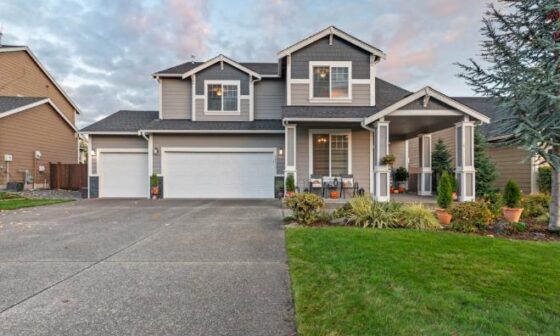
Homes often fail at the worst possible moment, from frozen heaters to surprise leaks before guests arrive. In today’s economy, rising repair costs, supply delays and stronger storms make upkeep more urgent than ever. Flashy renovations dominate social media, yet true value hides behind walls and under shingles. Smart homeowners prioritize steady maintenance over cosmetic upgrades because prevention protects both comfort and savings. A house functions like a connected system – so when one part weakens, others feel it. Early attention stops small problems from turning into expensive chain reactions.
Building a Year-Round Maintenance Mindset
Keeping a house in top shape begins with steady awareness. Each season places different demands on the property – from winter insulation strain to summer cooling pressure. Spring often exposes leaks, while fall prepares systems for colder months. A simple calendar with monthly reminders can strengthen maintenance habits. Quick tasks like changing filters, checking smoke detectors and cleaning gutters help prevent costly surprises later.
Weather patterns have grown less predictable in recent years. Sudden cold snaps surprise southern states. Intense rainfall floods areas once considered low-risk. Smart homeowners adjust maintenance schedules accordingly. They respond to changing conditions rather than relying on old assumptions.
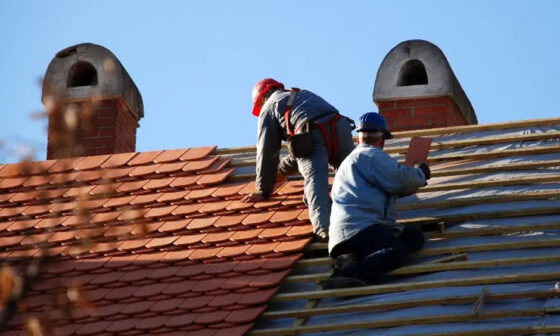
Roof care deserves special attention in this process. Shingles absorb heat, resist wind and block heavy rain. Over time, materials weaken under constant exposure. Scheduling roof inspection services after major storms helps identify hidden damage early. A trained professional can spot lifted shingles or soft decking before leaks spread indoors. This proactive step costs far less than repairing water-soaked ceilings months later.
Plumbing also benefits from seasonal checks. So drain outdoor faucets before freezing temperatures arrive. Sprinkler systems need proper shut-down procedures. As a result, pipes stay intact during sudden cold fronts. A few preventative actions spare homeowners from expensive repairs.
Protecting Energy Efficiency in Every Season
Energy efficiency now carries financial and environmental weight. Utility bills rise during extreme temperatures. Public conversations about climate change continue shaping policy and consumer choices. Homes play a major role in that discussion. Smart maintenance directly affects energy performance.
Insulation often goes unnoticed until problems surface. Pay attention to drafty rooms – they signal gaps in walls or attics. Sealing air leaks improves comfort immediately. Caulking windows and adding weather-stripping require minimal tools. These simple updates lower heating and cooling costs year-round.
Heating and cooling systems are not a one-time-and-then-forget-about-it installation. They demand consistent care. Dirty filters restrict airflow and strain equipment – and nobody wants to deal with that. So what’s the best course of action? Getting annual professional tune-ups – they can help catch worn components early. Therefore, systems run smoothly during peak seasons. Preventive service extends equipment life and reduces emergency breakdowns.
Smart thermostats add another layer of efficiency. They adjust temperatures based on daily routines. Energy use drops when homes sit empty. Remote access allows quick changes during unexpected schedule shifts. Technology supports both comfort and conservation.
Appliances also influence overall performance – for example, older refrigerators and washers consume more electricity. Replacing outdated units may feel expensive initially. However, long-term savings often justify the investment. Energy-efficient models reduce strain on household budgets.
Safeguarding Structure and Safety
Structural integrity forms the backbone of any healthy home. Foundations, framing and roofing must remain stable. Visible cracks in walls or ceilings deserve attention. Doors that suddenly stick may signal subtle shifts. Addressing these signs early prevents larger complications.
Water remains one of the biggest threats to structure. Poor drainage around foundations leads to gradual damage. Downspouts should direct water several feet away from walls. Landscaping slopes must guide runoff safely downhill. These adjustments protect basements from unwanted moisture.
Fire safety requires consistent vigilance – so make sure the smoke detectors in your house get fresh batteries twice a year. And fire extinguishers should remain accessible and charged. Dryer vents demand periodic cleaning to prevent lint buildup. Small habits significantly reduce fire risk.
Let’s be honest, security systems contribute to peace of mind. In fact, they’re no longer an option. Motion-sensor lights deter unwanted visitors and reinforced door frames strengthen entry points. Modern doorbell cameras provide real-time alerts. These measures reflect broader societal concerns about safety and awareness.
Good news is that insurance companies increasingly reward proactive maintenance. Some offer discounts for updated roofs or security upgrades. Documentation of inspections may support claims after storms. Therefore, keeping records organized proves beneficial in uncertain situations. Preparation strengthens financial resilience.
Outdoor Spaces and Curb Appeal
Taking care of a home’s exterior helps protect its value, yes. But it also makes the whole neighborhood look better. Fresh paint protects siding from weather damage. Regular power-washing removes mold and debris. Well-maintained landscaping improves drainage and visual appeal. These tasks combine aesthetics with practical protection.
And don’t forget decks and patios. Without seasonal inspection, you’re going to have problems. Wood surfaces may crack under sun exposure. Loose boards create safety hazards. Sealing surfaces extends their lifespan considerably. A small weekend project prevents costly reconstruction later.
Driveways and walkways also demand attention. Freeze-thaw cycles cause cracks to widen. Filling gaps early prevents deeper structural breakdown. Clear pathways reduce slip risks during icy months. Simple maintenance protects both property and guests.
Gardens thrive with thoughtful planning and steady attention. Native plants use less water and need minimal fertilizer, which lowers upkeep. As for drought-resistant landscaping, it fits today’s shifting climate patterns. Lawns need proper trimming as healthy roots depend on it. Outdoor care now reflects wider environmental awareness, even in small suburban yards.
Community expectations often influence exterior standards. Neighborhood associations may enforce upkeep guidelines. Homes in good condition support overall property values. Collective maintenance strengthens community pride. Basically everyone benefits when houses remain well cared for.
Planning Ahead for Long-Term Stability
Long-term success requires budgeting for maintenance. How can you do that? Start by setting aside funds monthly– it reduces financial strain. Unexpected repairs feel less overwhelming with savings in place. Experts often recommend allocating a percentage of home value annually. This strategy prepares households for inevitable wear.
Keeping detailed records supports smarter decisions. Documented repairs reveal recurring issues. Warranty information stays accessible when needed. Organized paperwork speeds insurance claims after severe weather. Documentation, then, becomes part of responsible ownership.
Professional inspections complement personal observation. Electricians, plumbers and roofing specialists offer trained perspectives. Their insights identify risks hidden from casual view. Scheduling evaluations every few years adds another layer of protection. Expertise enhances confidence.
Economic uncertainty makes prevention even more valuable. Rising interest rates discourage frequent moves. Many families choose to improve existing homes instead. Maintaining current properties becomes financially wise. Stability begins with attentive care.
The bottom line? Homeownership remains one of the largest investments most families make – it demands steady effort. Rather than occasional bursts of attention. Small consistent actions protect comfort, safety and savings. Here’s the thing: the smartest homeowners treat maintenance as an ongoing habit. A well-cared-for house rewards that discipline with reliability and peace of mind throughout every season.